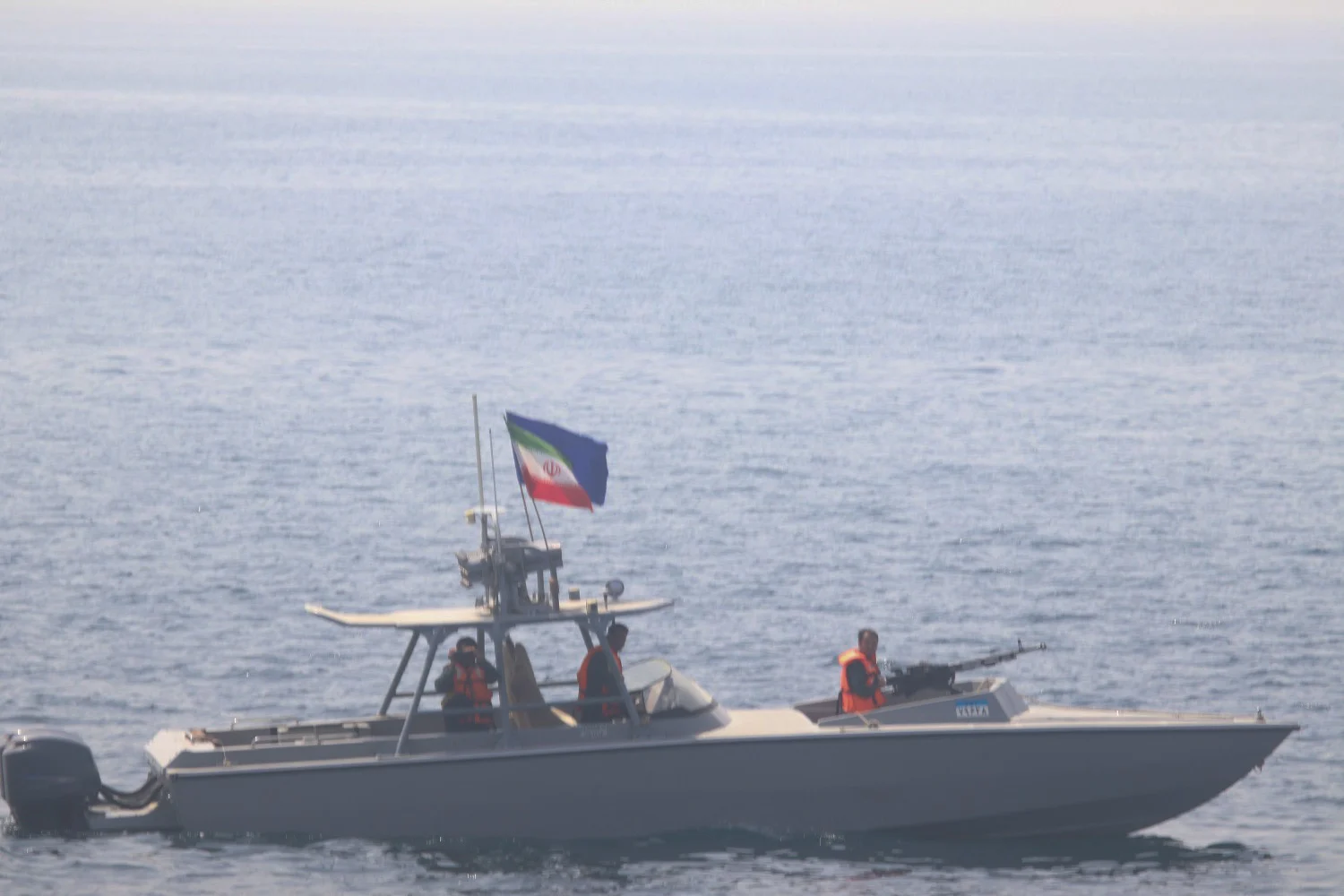
Iran has announced a new warning for ships crossing the Strait of Hormuz, stressing the necessity of obtaining prior permission before sailing. This warning comes as tensions in the region escalate, with Hormuz being a vital point for oil and natural gas transportation.
In official statements, Iranian authorities indicated that any vessel failing to comply with this procedure would face severe consequences, including destruction. This warning reflects Iran's concerns over foreign maritime activities in the area and expresses Tehran's desire to enhance its control over strategic waterways.
Details of the Warning
The Strait of Hormuz is one of the most important waterways in the world, with approximately 20% of the global oil supply passing through it. In recent years, the region has witnessed increasing tensions between Iran and Western countries, particularly following the United States' withdrawal from the Iranian nuclear deal.
These statements come at a sensitive time, as military activities in the area have intensified, including naval maneuvers conducted by Iran in recent weeks. These activities have raised concerns among neighboring countries and Western nations that rely on this route for transporting their oil shipments.
Background & Context
Historically, the Strait of Hormuz has experienced numerous crises, serving as a stage for several maritime conflicts between Iran and Western nations. In 1980, during the Iran-Iraq war, the region saw a significant escalation in maritime attacks. Since then, the area has become a focal point for global attention, especially with the increasing importance of oil in the global economy.
In recent years, Iran has ramped up its military activities in the region, developing its naval capabilities and expanding the scope of its operations. This escalation is part of Iran's strategy to enhance its influence in the area, particularly amid the economic pressures it faces due to international sanctions.
Impact & Consequences
These Iranian statements could lead to heightened tensions in the region, potentially affecting global oil prices. Any disruption in navigation through the Strait of Hormuz could result in price increases, impacting the global economy as a whole.
Moreover, these warnings may provoke reactions from Western countries, especially the United States, which may view these statements as a threat to its interests. Washington may take military or diplomatic actions to counter this challenge, further complicating the situation in the region.
Regional Significance
Arab countries neighboring the Strait of Hormuz, such as the UAE and Saudi Arabia, are among the most affected by these tensions. Any escalation in the region could impact these countries' oil exports, negatively affecting their economies.
Furthermore, regional stability is vital for security, as many Arab nations depend on the stability of the Strait of Hormuz to ensure the flow of oil and gas. Therefore, any warnings or threats from Iran could heighten security concerns in the region.
The recent Iranian warnings reflect the increasing tensions in the Strait of Hormuz, highlighting the importance of this strategic passage in the global economy. The international community must closely monitor the situation, as any escalation could lead to severe repercussions for security and stability in the region.