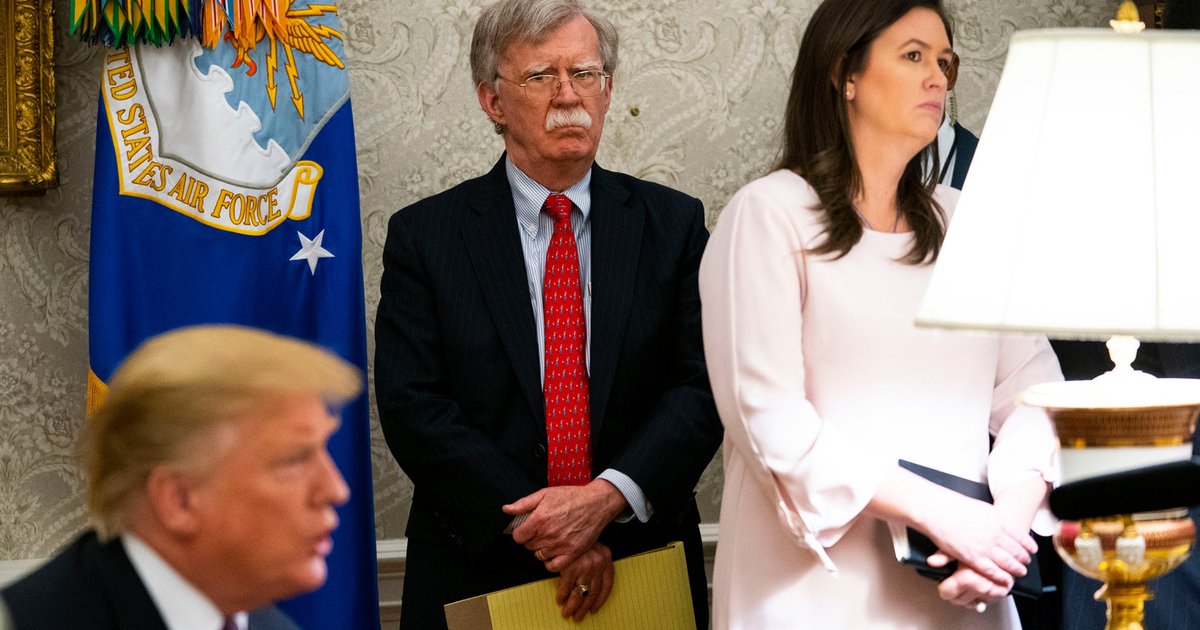
In a new escalation of tensions between the United States and Iran, the Iranian President warned that his country would respond in a "devastating" manner if attacks on civilian targets persist. This warning follows U.S. President Donald Trump's reaffirmation of his readiness to target Iran's critical infrastructure if the Strait of Hormuz is not reopened.
Trump, who issued his threats during a press conference, indicated that he might extend the 24-hour deadline he set for Iran, further heightening tensions between the two sides. As Trump faces both internal and external pressures, military escalation seems to be a viable option.
Details of the Event
Trump stated that any escalation from Iran would be met with strong reactions from the United States, threatening to deliver harsh strikes against Iranian infrastructure. This statement comes at a critical time, as political and economic crises intensify in Iran, complicating the situation further.
On the other hand, Iran responded sharply to these threats, emphasizing that it would not remain idle in the face of any aggression. Iranian officials indicated that any attack on their country would be met with unpredictable reactions, increasing tensions in the region.
Background & Context
Historically, U.S.-Iranian relations have seen increasing tensions since the Iranian Revolution in 1979. The economic sanctions imposed on Iran have exacerbated the situation, as the United States seeks to pressure Tehran to change its regional behavior.
In recent years, tensions have notably escalated, especially following the U.S. withdrawal from the Iranian nuclear agreement in 2018. This withdrawal led to increased pressures on Iran, prompting it to take more aggressive steps in the region.
Impact & Consequences
The current escalation between the United States and Iran could lead to serious repercussions for regional and international security. In the event of any attack, oil prices could be significantly affected, negatively impacting the global economy.
Moreover, any military escalation could destabilize neighboring countries, such as Iraq and Syria, complicating the situation in the Middle East. This could lead to an influx of more refugees and exacerbate existing conflicts.
Regional Significance
The Arab Gulf states are among the most affected regions by the tensions between the United States and Iran. The Strait of Hormuz, through which about 20% of global oil supplies pass, is a vital point for global energy security.
Any escalation in this context could lead to rising oil prices, affecting the economies of Arab countries that heavily rely on oil revenues. Additionally, the tensions could increase sectarian divisions in the region, heightening internal tensions in some countries.
In light of these tense circumstances, there remains hope that the international community can find diplomatic solutions to avoid escalating the conflict between the United States and Iran, which could contribute to stabilizing the region.