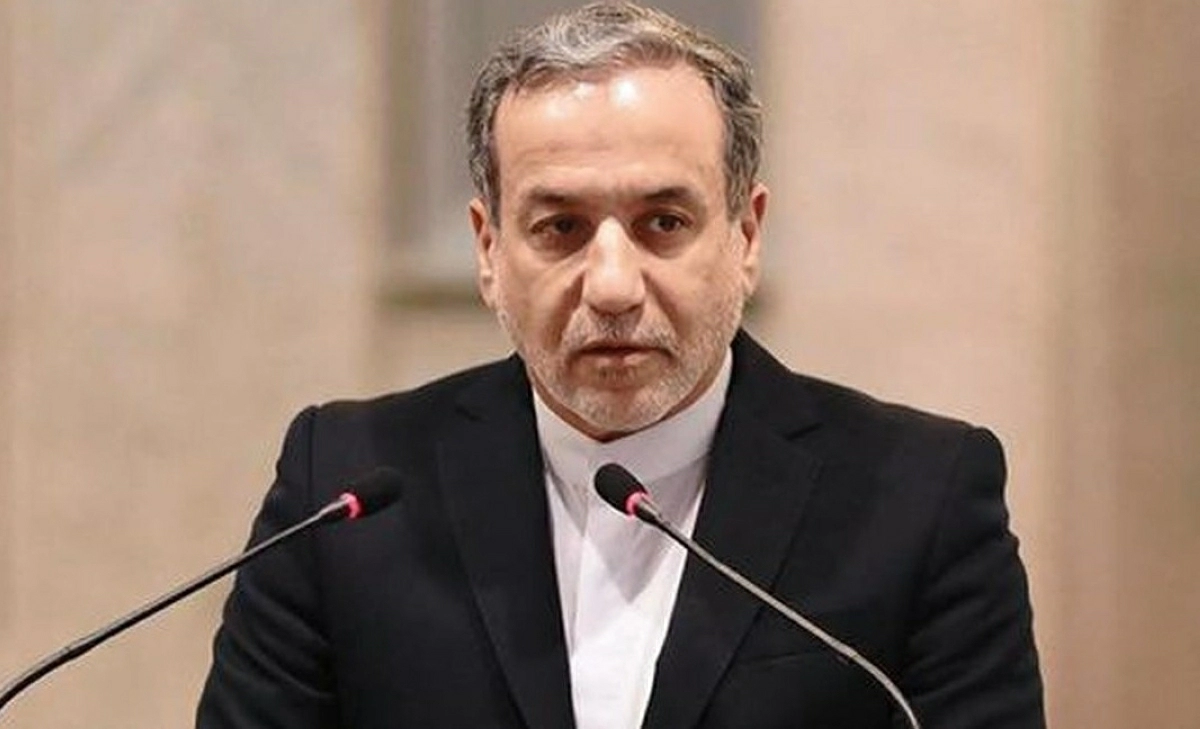
Iran has warned the UN Security Council against any "provocative actions" prior to the anticipated vote on a resolution concerning the Strait of Hormuz, one of the world's most crucial waterways. Iranian Foreign Minister Abbas Araghchi stated that any move by the "aggressors and their supporters," including those in the Security Council, would only complicate the existing situation.
The vote on a resolution aimed at authorizing a force to protect shipping through the Strait of Hormuz was initially scheduled, but it was later announced that the vote would be postponed without a new date specified. This decision comes at a time when the strait, considered a lifeline for global energy, is experiencing heightened tensions following strikes by the United States and Israel against Iran on February 28.
Details of the Event
The resolution proposed by Bahrain aims to allow the use of "defensive" force to protect shipping in Hormuz from Iranian attacks. This proposal has received support from the United States and Gulf countries that have been heavily impacted by the blockade imposed on the region. However, countries such as Russia, China, and France have objected to previous drafts of this resolution, reflecting the division within the Security Council on how to address the tense situation in the Gulf.
This step taken by Iran serves as a clear warning to the international community that any escalation in military or political actions could exacerbate the conditions in the Gulf region, which is already suffering from increasing tensions.
Background & Context
The Strait of Hormuz is a strategic waterway connecting the Arabian Gulf and the Sea of Oman, and it is a major transit point for oil and natural gas. Approximately 20% of the world's total oil passes through it, making it a primary target for geopolitical tensions. For years, the region has witnessed a rise in conflicts between Iran and the United States, with Washington accusing Tehran of engaging in activities that threaten regional security.
In recent years, Iran has increased its military activity in the region, including the development of ballistic missiles and expanding its influence in Iraq, Syria, and Lebanon. These activities have raised concerns among Western and Gulf countries, leading to the imposition of economic sanctions on Tehran.
Impact & Consequences
The escalation of the situation around the Strait of Hormuz could have serious repercussions on the global economy, particularly regarding oil prices. Any closure of the strait or attacks on commercial vessels could lead to a significant spike in oil prices, impacting global economies, especially those reliant on oil.
Moreover, any military escalation could lead to an outbreak of open conflict in the region, complicating humanitarian conditions and resulting in mass displacement of populations. This situation could also reshape alliances in the region, as countries may seek to bolster their defensive capabilities or pursue new alliances.
Regional Significance
Arab countries in the Gulf are among the most affected by the tensions in the Strait of Hormuz, as their economies heavily depend on oil exports. Any escalation in the conflict could impact the security and stability of these nations, potentially leading to serious political and economic repercussions.
While some Gulf countries support U.S. actions against Iran, there is growing concern that these policies could lead to unwanted escalation. Therefore, diplomatic dialogue and regional cooperation may be the only way to avoid further tensions.