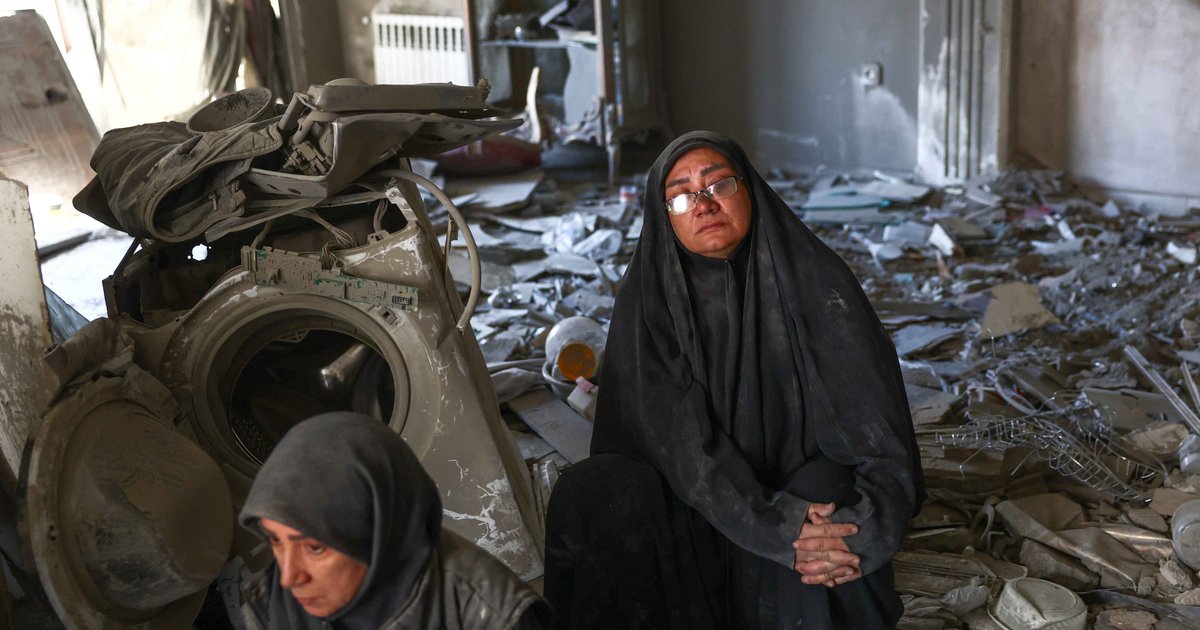
An Iranian airstrike targeted the Israeli city of Bnei Brak, injuring 14 people, according to local media reports. The attack, which occurred late last night, led to all injured individuals being transported to hospitals for treatment, where their health conditions were confirmed to be stable.
Initially, reports indicated that only six people were injured, but Israeli Channel 2 later confirmed the number had risen to 14. This attack comes amid escalating tensions between Iran and Israel, with both nations exchanging accusations of mutual targeting.
Details of the Incident
The Iranian airstrike on Bnei Brak is considered a serious development in the ongoing conflict between Iran and Israel. The city, located near Tel Aviv, experienced panic among residents following the attack. Israeli authorities have strengthened security measures in the area, deploying additional forces to monitor the situation.
This incident follows a series of reciprocal attacks between the two parties, with Iran previously threatening to respond to any Israeli aggression against its territory or interests in the region. The recent attack demonstrates a notable escalation in the conflict, raising international concerns about the potential outbreak of a full-scale war in the region.
Background & Context
Historically, relations between Iran and Israel have been tense since the Islamic Revolution in Iran in 1979. Since then, Israel has viewed Iran as an existential threat, especially with Iran's development of its nuclear program. In recent years, Israel has intensified its military operations against Iranian targets in Syria, leading to heightened tensions.
Conversely, Iran seeks to bolster its influence in the region by supporting armed groups such as Hezbollah in Lebanon and Hamas in Gaza. This complex regional conflict requires major powers to intervene to ensure stability in the area.
Impact & Consequences
The Iranian attack on Bnei Brak could have significant implications for regional security. Israel is likely to respond militarily to this attack, which could lead to further escalation in the conflict. Additionally, this attack may affect relations between Iran and Western countries, particularly amid ongoing discussions regarding Iran's nuclear program.
Increasing tensions could result in a rise in military operations, threatening civilian lives and exacerbating the suffering of populations in the region. The international community is closely monitoring the developments, as any escalation in the conflict between Iran and Israel poses a threat to both regional and international security.
Regional Significance
This attack illustrates how regional conflicts directly impact Arab security. Neighboring Arab countries, such as Jordan and Egypt, could be significantly affected by any escalation in the conflict between Iran and Israel. Furthermore, the situation may influence peace efforts in the region, as Arab nations strive for lasting stability.
Ultimately, the tense situation in the region necessitates effective diplomatic dialogue and international cooperation to mitigate escalation and ensure civilian safety. The recent attack underscores the urgent need for peaceful solutions to ongoing conflicts.