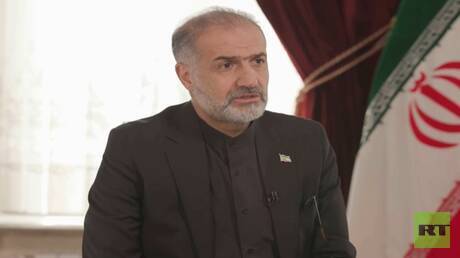
Iran's ambassador to Russia, Kazem Jalali, asserted that Iran did not start the current war, emphasizing that the Islamic Revolution was aimed at the independence of the country. He explained that Tehran has paid a heavy price over the past 47 years to maintain this independence, reflecting its strong commitment to its principles.
Jalali's statements come at a time when regional tensions are escalating, with Iran facing increasing international pressure. He noted that his country is not afraid of death or surrender, affirming that the end will favor Iran's independence.
Details of the Event
The Iranian ambassador's remarks occur amidst multiple crises affecting the region, where fears of escalating military conflicts in the Middle East are growing. Jalali pointed out that Iran is facing significant challenges, yet it is determined to maintain its sovereignty and independence.
He also clarified that the Islamic Revolution, which began in 1979, aimed to liberate Iran from foreign domination, and this goal remains intact. He affirmed that the Iranian people are ready to pay any price to preserve their independence.
Background & Context
Historically, Iran has witnessed numerous conflicts and disputes that have impacted its stability. Since the Islamic Revolution, the country has faced international sanctions and internal and external conflicts. These circumstances have strengthened the national sentiment among Iranians, making them more committed to their independence principles.
Iran is considered a key player in regional politics, seeking to enhance its influence in the Middle East. Its relations with Russia are part of its strategy to counter Western challenges, especially amid rising tensions with the United States and its allies.
Impact & Consequences
Jalali's statements may affect Iran's relations with Western countries, as they could be seen as a challenge to the international pressures imposed on Tehran. Additionally, the emphasis on independence may bolster Iran's position in future negotiations regarding its nuclear program.
On the other hand, these remarks could escalate tensions in the region, particularly with countries that view Iran as a threat to their security. This may increase the likelihood of military conflicts in the future, impacting regional stability.
Regional Significance
The Iranian ambassador's statements are particularly significant for Arab countries, reflecting Iranian trends in the region. These remarks could lead to heightened tensions between Iran and Arab nations, especially those adopting anti-Iran policies.
Furthermore, Iran's assertion of its independence may influence regional alliances, as some Arab countries may seek to strengthen their cooperation with Western powers to counter Iran's growing influence.
In conclusion, the Iranian ambassador's statements reflect the challenges facing his country and highlight the importance of independence in Iranian politics. As tensions in the region continue, the question of how these positions will affect the future of regional and international relations remains open.