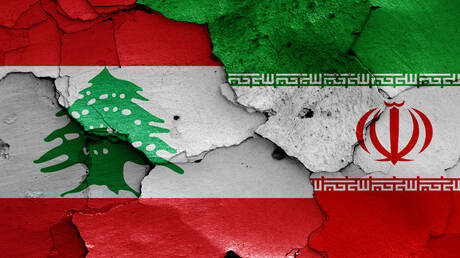
The crisis surrounding the Iranian ambassador in Lebanon continues, with the newspaper "Al-Jumhuriya" revealing that the decision by Lebanese Foreign Minister Youssef Raji to expel the Iranian ambassador has not led to any solution thus far. Despite the passage of time, matters remain unresolved, and there are no communications between the involved parties to resolve this crisis.
The crisis began following Raji's decision, which sparked mixed reactions in the Lebanese political arena, with some parties considering that this decision could negatively impact Lebanese-Iranian relations. At the same time, the Lebanese duo, represented by Amal Movement and Hezbollah, confirmed that they would not withdraw from government sessions, indicating the continuation of political tensions in the country.
Details of the Event
It is noteworthy that the Iranian ambassador in Lebanon, whose expulsion was decided, represents a key element in the relations between Lebanon and Iran. This decision has raised questions about the future of these relations, especially given the complex political circumstances in the region.
The full reasons behind the Foreign Minister's decision remain unclear, but some observers believe that this decision may be linked to regional and international developments, particularly amid the increasing tensions between Iran and the United States.
Background & Context
The history of Lebanese-Iranian relations dates back a long time, with Iran playing an important role in supporting certain Lebanese factions, particularly Hezbollah. These relations have experienced numerous fluctuations but have remained intact despite challenges.
In recent years, pressures on Lebanon have increased due to economic and political crises, making the government face significant challenges in managing its foreign relations. The Foreign Minister's decision to expel the Iranian ambassador comes in this context, as Lebanon seeks to achieve a balance between various regional and international powers.
Impact & Consequences
The repercussions of this crisis could be far-reaching, as it may significantly affect Lebanese-Iranian relations. If the crisis continues unresolved, it could exacerbate political tensions in Lebanon, which may negatively impact internal stability.
Additionally, this crisis may affect Lebanon's position in international forums, as it may be viewed as incapable of effectively managing its foreign relations. This situation could further intensify the economic and political pressures that Lebanon is experiencing.
Regional Significance
The Lebanese-Iranian relations are part of a broader regional landscape, where Iran plays a pivotal role in many conflicts in the region. The continuation of this crisis may contribute to increased tensions between Iran and Arab countries, especially those opposing Iranian interventions in the internal affairs of Arab states.
In conclusion, the current crisis remains a test of the Lebanese government's ability to deal with internal and external challenges and its capacity to maintain the stability of the country amid the difficult circumstances it faces.