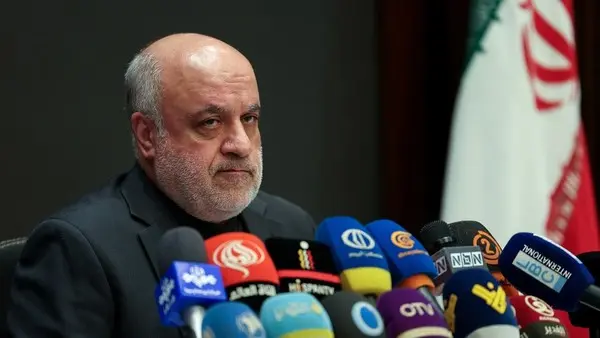
An Iranian diplomatic source - in a statement to Agence France-Presse - confirmed that the appointed Iranian ambassador, Mohammad Reza Shibani, will remain in Lebanon, despite the expiration of the deadline set by the Lebanese Foreign Ministry for his departure. This deadline ended today, Sunday, after the ministry informed the ambassador of the withdrawal of its approval for his accreditation.
The source, who preferred to remain anonymous, stated that "the ambassador will not leave Lebanon in response to the wishes of Speaker of the Parliament Nabih Berri and Hezbollah." This decision comes at a time when Lebanon is witnessing increasing political tension amid the ongoing war.
Details of the Event
Last Tuesday, the Lebanese Foreign Ministry announced that it had informed the Iranian ambassador of the withdrawal of its approval for his accreditation and requested that he leave the country within a maximum deadline of Sunday. However, the ministry later confirmed in a statement that this decision does not mean severing diplomatic relations with Iran, but rather is a measure related to the ambassador due to his violations of diplomatic protocols.
This step is part of a series of unprecedented measures taken by the Lebanese authorities since the onset of the Israeli aggression against Lebanon, where Lebanese officials accused the Iranian Revolutionary Guard of managing Hezbollah's operations in the war with Israel. Both Hezbollah and the Amal Movement condemned the Foreign Ministry's announcement to expel the Iranian ambassador and called for a reversal of this decision.
Context and Background
On March 5, the Lebanese authorities issued a decision prohibiting any potential activities of the Iranian Revolutionary Guard in Lebanon. Nevertheless, Prime Minister Nawaf Salam stated in a television interview that "the Revolutionary Guard is present in Lebanon and is unfortunately managing the military operations." These statements reflect the complex situation Lebanon is experiencing amid increasing regional tensions.
Since the beginning of the war, the Lebanese government has also imposed a ban on the security and military activities of Hezbollah, which has confirmed its readiness for a "long confrontation" with Israel amid the ongoing battles on the Lebanese front.
Implications and Effects
These developments are indicative of the escalating tensions between Lebanon and Israel, as the war in the Middle East began on March 2 after Hezbollah launched missiles towards Israel in response to the assassination of former Iranian Supreme Leader Ali Khamenei. Israel continues to carry out extensive airstrikes on Lebanon, further complicating the security situation in the region.
The continued presence of the Iranian ambassador in Lebanon also reflects the strength of relations between Tehran and its allies in Lebanon, despite political pressures. This decision may also affect Lebanese-Iranian relations in the future, especially amid the tense conditions.
Impact on the Arab Region
The repercussions of this decision extend beyond Lebanon, reflecting broader regional tensions between Iran and the countries in the area. Amid escalating conflicts, this situation may affect stability in neighboring countries and exacerbate political divisions in the region.
In conclusion, the situation in Lebanon remains complex, with political and security dimensions intertwining, requiring close monitoring by the international community. The continued presence of the Iranian ambassador in Lebanon may contribute to strengthening relations between Tehran and its allies at a time when Lebanon needs political and security stability.