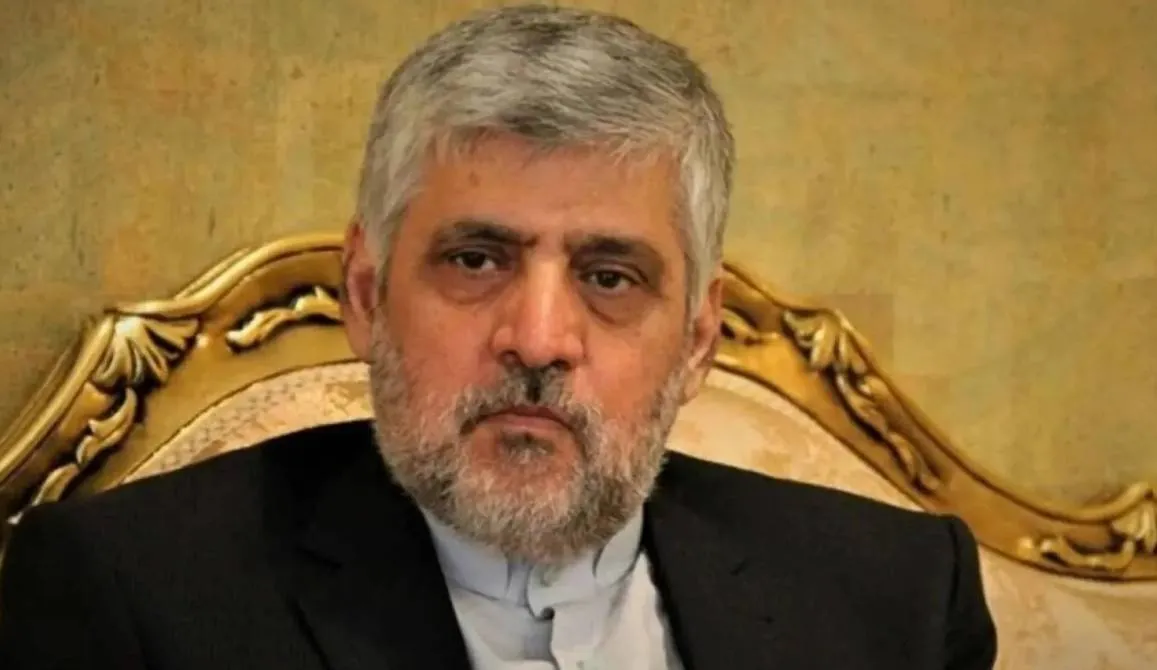
Iranian Ambassador Mohammad Reza Shibani has announced his decision to remain in Lebanon, despite the Lebanese Foreign Ministry's deadline for his departure. This decision follows the Lebanese Foreign Ministry's withdrawal of its approval for his accreditation, which has sparked a political crisis within the country.
An Iranian diplomatic source, who preferred to remain anonymous, informed Agence France-Presse that the ambassador would not leave Lebanon in response to the wishes of Speaker Nabih Berri and Hezbollah, who have urged Lebanese authorities to immediately reverse the decision to withdraw Shibani's accreditation.
Details of the Event
The Lebanese authorities are seeking to "cool down" the political crisis resulting from the Foreign Ministry's decision to expel the Iranian ambassador, without retracting the decision or taking action against him should he remain in Lebanon after the deadline. Four Shiite ministers out of five representing the Hezbollah-Amal duo boycotted the cabinet session in protest against considering Shibani as "an undesirable person."
The last cabinet session did not discuss Shibani's case, as Prime Minister Nawaf Salam focused on pressing issues such as the displacement crisis and communication with international parties. Administrative Development Minister Fadi Makki, who participated in the session, emphasized the need to strengthen internal solidarity to face current challenges.
Background & Context
The roots of this crisis lie in the political tensions between Lebanon and Iran, where Iran and its allies in Lebanon, such as Hezbollah, are considered part of a broader regional conflict. The withdrawal of Shibani's accreditation comes at a sensitive time, as international pressures on Lebanon increase to avoid being dragged into regional conflicts.
Historically, Lebanese-Iranian relations have been complex, with Iran playing a significant role in supporting Hezbollah, further complicating the Lebanese political landscape. In recent years, relations between Lebanon and Western countries have been strained, especially with the rise of Iranian activities in the region.
Impact & Consequences
Attention now turns to how this decision will affect political stability in Lebanon. Shibani's continued presence in Lebanon may escalate tensions among various political forces, especially given the sharp division between supporters and opponents of Hezbollah.
This situation may also impact Lebanon's relations with Western countries, which may view the Iranian ambassador's continued presence as a challenge to their efforts to reduce Iranian influence in the region. At the same time, Hezbollah may seek to exploit this crisis to strengthen its position in the Lebanese political arena.
Regional Significance
The repercussions of this crisis extend beyond Lebanese borders, as the political conflicts in Lebanon reflect broader regional tensions. The continued Iranian influence in Lebanon could escalate tensions with other Arab countries, particularly those that view Iran as a threat to their security.
Moreover, the situation in Lebanon may affect peace and stability efforts in the region, with growing concerns that any escalation in Lebanon could lead to unforeseen consequences for neighboring countries, such as Syria and Palestine.
In conclusion, the situation in Lebanon remains complex, with internal and external dimensions intertwining to shape the political landscape. The Iranian ambassador's continued presence in Lebanon may have far-reaching implications for stability in the country and the region as a whole.