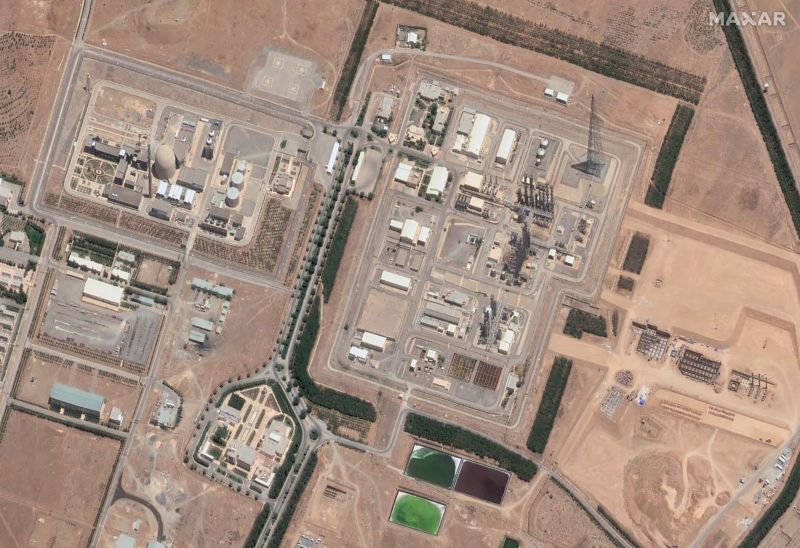
The International Atomic Energy Agency (IAEA) announced on Sunday that the Iranian Arak nuclear reactor, also known as the Khondab Heavy Water Production Plant, has permanently ceased operations after sustaining severe damage. This announcement comes at a sensitive time for Iran's nuclear program, which has been under significant international scrutiny.
The Arak facility is one of Iran's main nuclear installations, designed to produce heavy water, which is used in certain types of nuclear reactors. This reactor has raised concerns within the international community since its inception, as it is believed to potentially contribute to the development of nuclear weapons if not strictly controlled.
Details of the Incident
According to reports, the damage to the Arak reactor may be the result of several factors, including technical issues or even possible attacks. The IAEA did not provide specific details regarding the nature of the damage but confirmed that the reactor is no longer operational. This development follows years of negotiations and tensions between Iran and Western countries regarding its nuclear program.
The Arak reactor is considered part of the Iranian nuclear agreement reached in 2015, which aimed to limit Iran's nuclear activities in exchange for the easing of economic sanctions. Following the United States' withdrawal from the agreement in 2018, tensions escalated, leading to an increase in Iranian nuclear activities.
Context and Background
The Arak reactor was built in 2002 and was seen as a symbol of Iran's nuclear ambitions. In 2015, an agreement was reached with world powers to limit its activities, but Iran began violating some terms of the agreement after the U.S. withdrawal. This withdrawal cast a shadow over international relations and led to heightened tensions in the region.
Historically, Iran has sought to develop a nuclear program for peaceful purposes, but concerns over the potential military use of this program prompted international intervention. Recent years have seen numerous negotiations and agreements, but the situation remains tense.
Impact and Consequences
The cessation of operations at the Arak reactor could have significant implications for Iran's nuclear program. On one hand, this may reduce international concerns regarding Iran's potential development of nuclear weapons. On the other hand, this shutdown could be seen as a sign of weakness in Iran's nuclear program, potentially affecting its position in future negotiations.
This development may also lead to changes in regional policies, as other countries in the region may seek to enhance their nuclear capabilities or develop their own nuclear programs, thereby increasing tensions in the Middle East.
Impact on the Arab Region
The shutdown of the Arak reactor could have direct implications for Arab countries, particularly those concerned about Iran's nuclear program. Some countries, such as Saudi Arabia, may feel the need to bolster their defensive capabilities or even consider developing their own nuclear programs.
This development may also open the door for further dialogue between Iran and Arab countries, as some nations may seek to reach new agreements aimed at enhancing regional security and reducing tensions.
In conclusion, the future of Iran's nuclear program remains uncertain, but the permanent cessation of operations at the Arak reactor is considered a significant milestone in this context. Attention will turn to how the international community and Iran respond to this development and whether it will contribute to stability in the region.