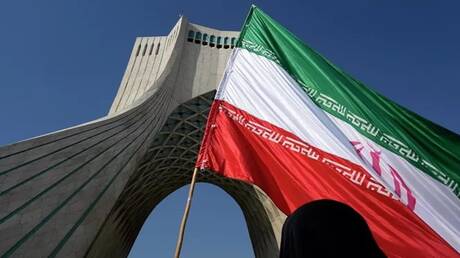
The spokesperson for the Iranian army, Amir Akrami Nia, stated that the goal of continuing the war is to bring the enemy to a 'true point of regret.' He confirmed that this continuation is based on 'strategic rationality par excellence,' reflecting a well-thought-out military vision aimed at deterring any potential aggression.
These statements come at a time when the region is witnessing increasing tensions, as the Iranian army seeks to strengthen its military position in the face of regional challenges. Akrami Nia believes that this strategy reflects Iran's seriousness in protecting its national interests.
Details of the Event
In remarks made during a press conference, Akrami Nia explained that the Iranian armed forces are working to develop their defensive and offensive capabilities, noting that continuing the war is not merely an option but a strategic necessity. He also pointed out that Iran aims to achieve a balance of power in the region, enabling it to confront any potential threats.
He further confirmed that the Iranian army is closely monitoring enemy movements and is prepared to respond to any aggression. These statements come at a sensitive time, as Iranian relations with Western countries, particularly the United States, are increasingly strained.
Background & Context
Historically, Iran has been in a state of tension with many Western countries, especially following the United States' withdrawal from the nuclear agreement in 2018. This withdrawal led to an escalation of tensions and heightened fears of a potential military conflict in the region.
In recent years, Iran has bolstered its military capabilities, including the development of ballistic missiles and drones, raising concerns among several neighboring countries. Additionally, the presence of Iranian forces in areas such as Iraq and Syria has complicated the security landscape in the region.
Impact & Consequences
Many analyses predict that these statements will escalate tensions in the region, as Western countries may respond more harshly to any Iranian movements. Furthermore, the continuation of the war could impact regional stability, increasing the likelihood of new conflicts.
On the other hand, this Iranian strategy could strengthen its position in future negotiations, as it seeks concessions from Western countries. This approach may contribute to altering the balance of power in the region and enhance Iran's status as an influential regional power.
Regional Significance
Neighboring Arab countries are in a constant state of alert regarding military and political developments in Tehran. Iranian statements could affect relations between Iran and Arab countries, especially those with historical tensions, such as Saudi Arabia and the UAE.
Moreover, any military escalation could lead to economic and social repercussions in the region, potentially causing an increase in oil prices and affecting trade flows. Therefore, closely monitoring Iranian developments is essential for understanding the future of the region.
In conclusion, it appears that Iran is striving to achieve strategic objectives by enhancing its military capabilities, which raises concerns in the region. The current situation requires Arab countries to take clear positions to confront any potential challenges.