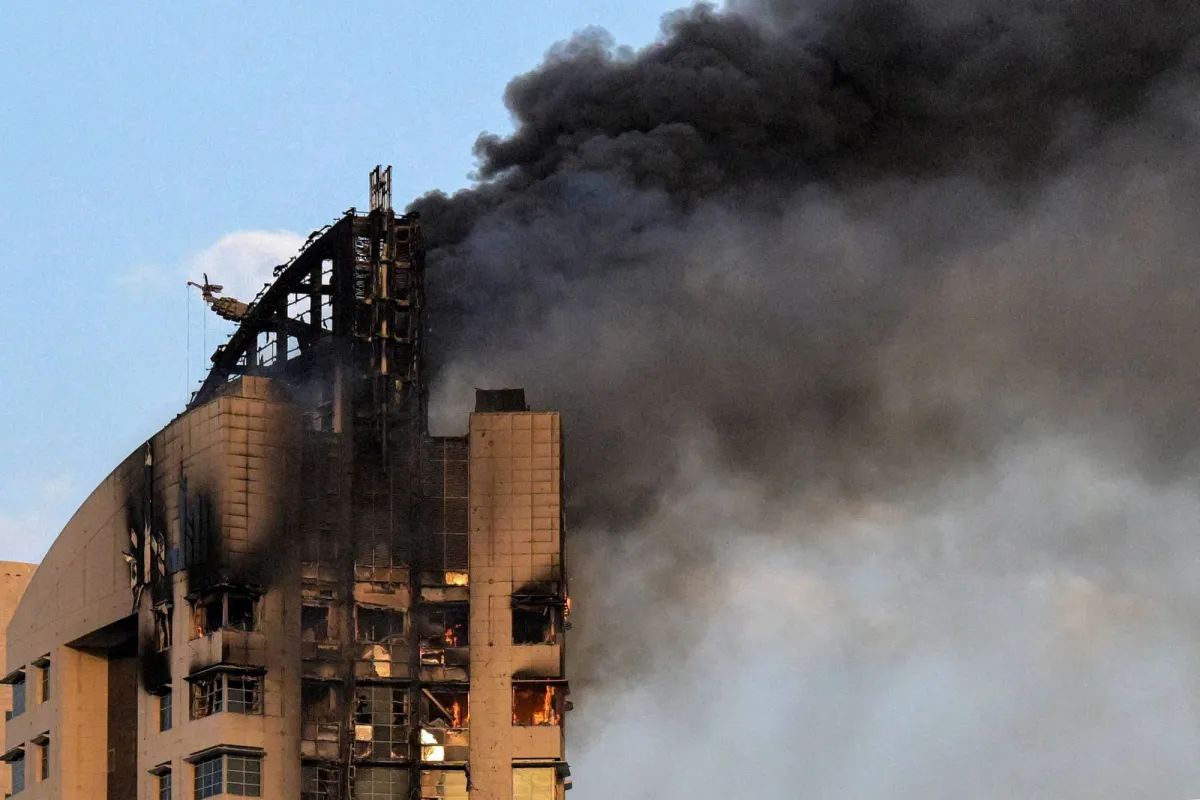
A Kuwaiti power and water desalination station sustained damage due to an Iranian attack, according to the Kuwaiti Ministry of Electricity and Water. The attack, which occurred early Friday morning, resulted in material damage, while technical teams and emergency crews immediately began addressing the aftermath of the incident to ensure continued operation.
The official spokesperson for the ministry, Eng. Fatima Hayat, confirmed that the attack represents a heinous aggression from the Iranian side, noting that specialized teams are working to assess and repair the damage as quickly as possible.
Details of the Incident
The attack on the station comes at a sensitive time when the region is witnessing heightened tensions between Gulf countries and Iran. Security reports in Gulf states have detected nine cells affiliated with Iran and its allies, including Hezbollah, in four Gulf countries, reflecting an escalation of suspicious security activities in the region.
Reports indicate that security agencies in Gulf countries managed to apprehend these cells within a short period, with approximately 74 individuals of various nationalities, including Kuwaiti, Lebanese, and Iranian, being arrested. These activities are considered a direct threat to national security and regional stability.
Background & Context
Historically, relations between Iran and Gulf countries have been strained, with the region experiencing numerous conflicts and disputes. Since February 2026, Gulf states have faced several missile and drone attacks, resulting in casualties and significant damage. The Secretary-General of the Gulf Cooperation Council, Jassim Al-Budaiwi, condemned these aggressions, emphasizing the need to maintain security and stability in the region.
Al-Budaiwi also called on the United Nations Security Council to take action to protect waterways and ensure the continuity of international navigation, stressing the importance of dialogue and diplomacy as a means to resolve crises.
Impact & Consequences
The attack on the power station in Kuwait may lead to negative repercussions on security and energy in the region. Targeting vital facilities reflects an escalation of tensions, which could affect the stability of global energy markets. Furthermore, the continuation of such aggressions may exacerbate economic crises in Gulf countries.
Gulf states are expected to take further security measures to protect their vital facilities, which may increase tensions with Iran. Additionally, these events could impact diplomatic relations between Gulf countries and Tehran, complicating dialogue further.
Regional Significance
The recent events in Kuwait are seen as an indicator of escalating tensions in the region, which may affect regional security. Gulf countries, facing increasing security threats, need to enhance security cooperation among themselves to address these challenges.
Moreover, rising tensions could impact foreign investments in the region, potentially leading to an economic slowdown. Under these circumstances, Arab countries must work together to ensure security and stability in the region.
In conclusion, the Iranian attack on the power station in Kuwait reflects an escalation of regional tensions, necessitating an immediate response from Gulf countries to protect their security and stability. The continuation of these aggressions could lead to serious repercussions for both regional and global security.