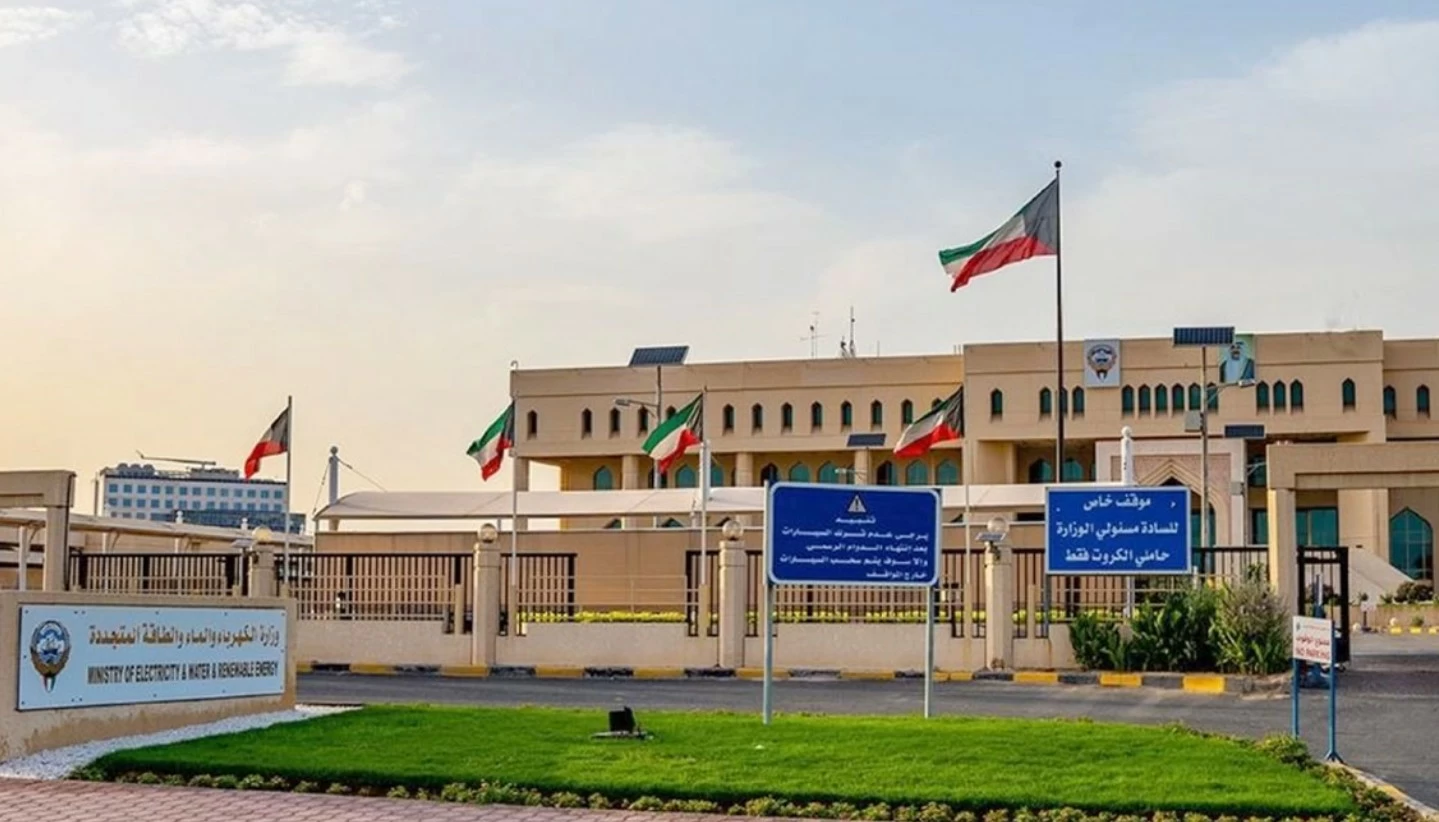
The Ministry of Electricity, Water, and Renewable Energy in Kuwait announced today (Monday) that a service building at one of the power and water desalination stations was attacked by Iranian aggression, resulting in the death of an Indian worker. This attack comes at a sensitive time as Kuwait strives to maintain the stability of its vital services.
The ministry's spokesperson, Engineer Fatima Abbas Jawhar Hayat, confirmed in an official statement that technical teams and emergency crews immediately commenced their operations according to the approved emergency plans. She noted that these teams are working in full coordination with security authorities and relevant entities to secure the affected sites and ensure the continued efficiency of operations.
Details of the Incident
The attack targeting the service building at the electric station represents a serious escalation in regional tensions, raising concerns about the impact of this aggression on the country's vital infrastructure. The incident was reported early this morning, causing widespread anxiety among citizens and residents.
The ministry urged citizens to remain calm and not to succumb to rumors, emphasizing the importance of obtaining information from official sources. It also confirmed that the safety and stability of the electrical and water systems are a top priority, and that all technical teams are working around the clock with high efficiency.
Background & Context
This incident occurs amid escalating tensions between Kuwait and Iran, with several similar incidents reported in recent years. Relations between the two countries have seen increased strains due to Iranian activities in the region, which Kuwait perceives as a threat to its national security.
Kuwait, which heavily relies on electrical power and water, needs to secure its infrastructure against potential aggressions. The recent attack highlights the security challenges facing the country amid tense regional conditions.
Impact & Consequences
The attack on the electric station could significantly affect electricity and water services in Kuwait, potentially leading to interruptions in vital services for citizens. Additionally, this incident may raise concerns among investors and companies operating in Kuwait, impacting the national economy.
The repercussions of this attack could extend to diplomatic relations between Kuwait and Iran, potentially leading to further tensions and confrontations in the future. The Kuwaiti government is expected to take stringent measures to ensure the safety of vital facilities and protect citizens.
Regional Significance
This attack reflects the increasing tensions in the Arabian Gulf region, where fears of escalating military conflicts are growing. Neighboring countries are closely monitoring the situation, as any escalation could affect the stability of the entire region.
In light of these circumstances, Arab countries must enhance security and economic cooperation to address common challenges. There is also an urgent need to develop effective strategies to deal with the increasing security threats.
In conclusion, the attack on the electric station in Kuwait highlights the security challenges facing the country and reflects the increasing regional tensions. The Kuwaiti government must take urgent steps to ensure the safety of citizens and the stability of vital services.