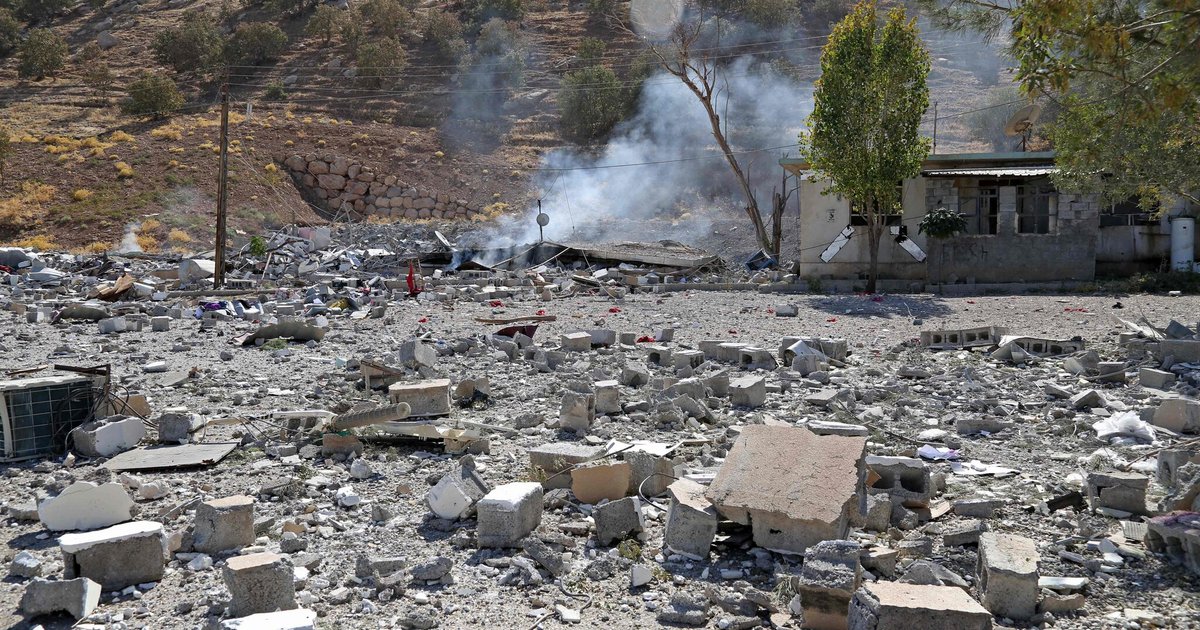
An Iranian attack on a power station in Kuwait on Friday resulted in significant material damage. This assault comes amid escalating regional tensions and reflects the security challenges faced by Kuwait and Gulf countries in general.
The attack, the full details of which have not yet been disclosed, has raised widespread concern in political and economic circles, as power stations are considered vital infrastructure that the country relies on to meet its electricity needs. Damage has been reported, but there have been no reports of human casualties.
Details of the Incident
According to local sources, the attack occurred in the early morning hours when a group of drones targeted the power station. Emergency procedures were activated at the site, and technical teams worked to assess and repair the damage. The Kuwaiti authorities have not yet issued an official statement clarifying the details of the attack or the measures taken to mitigate its repercussions.
This attack comes at a sensitive time, as the region is witnessing increasing tensions between Iran and Gulf countries, raising fears about regional security and energy stability. Kuwait, which heavily relies on electricity to meet its needs, faces new challenges under these volatile conditions.
Background & Context
Historically, relations between Kuwait and Iran have experienced multiple tensions, especially amid the political and security crises that have affected the region. Kuwait, as part of the Gulf Cooperation Council, has always been in a position to defend its national interests against regional threats.
Attacks on vital infrastructure, such as power stations, are not new in the region, as other Gulf countries have faced similar assaults. These events raise questions about the ability of countries to protect their vital infrastructure amid escalating tensions.
Impact & Consequences
The attack on the power station in Kuwait could have far-reaching consequences, not only for internal security but also for the national economy. The damage to the station may lead to interruptions in electricity supplies, affecting the daily lives of citizens and economic activities.
Furthermore, this assault may bolster the position of political forces advocating for enhanced national security and increased defense spending. At the same time, it could heighten tensions between Kuwait and Iran, negatively impacting diplomatic relations between the two countries.
Regional Significance
The attack on the power station in Kuwait highlights the security challenges faced by Gulf countries in general. Amid escalating tensions between Iran and regional states, fears of increased hostilities may rise, affecting regional stability.
This incident reminds us of the importance of enhancing security cooperation among Gulf countries to address common threats. It also underscores the need for effective strategies to protect vital infrastructure, which is fundamental to the stability of the national economy.
In conclusion, the question remains as to how Kuwait and neighboring countries will respond to these security challenges and whether they will take effective steps to ensure the safety of their infrastructure and protect their national interests under the current circumstances.