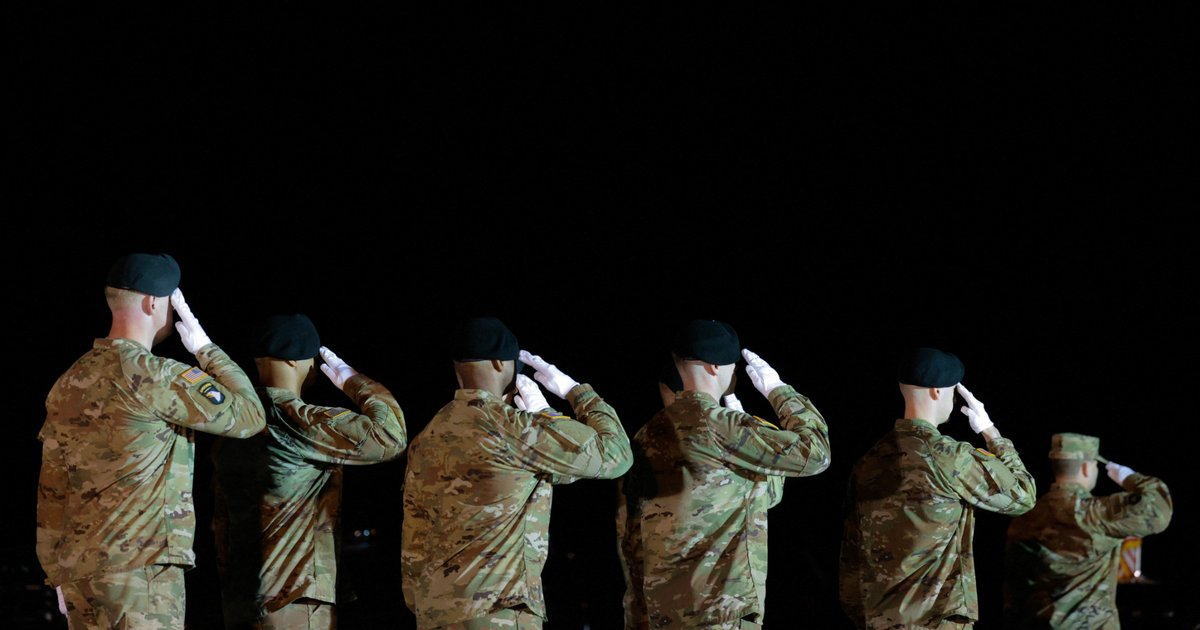
An Iranian attack on Prince Sultan Air Base in Saudi Arabia has resulted in injuries to 15 American soldiers, including five who are in critical condition, according to media reports. The attack, which took place on Friday, involved the launch of six ballistic missiles and 29 drones, leading to damage to several aircraft, including refueling planes and an E-3 Sentry surveillance aircraft.
Prince Sultan Air Base, located near Riyadh, has been a recurring target of Iranian attacks since the United States and Israel began their military campaign against Iran last month.
Details of the Incident
The Iranian attack comes at a sensitive time, as the base experienced previous attacks earlier this week that resulted in injuries to 14 American soldiers. Since the beginning of the conflict, 13 American soldiers have been killed, including one at Prince Sultan Base, and the number of injured has exceeded 300, according to U.S. Central Command data.
The day before the attack, U.S. President Donald Trump stated that 99% of Iranian missiles had been destroyed, raising questions about the effectiveness of these claims in light of the ongoing attacks.
Background & Context
Historically, relations between Iran and the United States have been tense, especially following Washington's withdrawal from the Iranian nuclear deal in 2018. Since then, tensions have escalated significantly, with the United States imposing strict economic sanctions on Iran, leading to increased military provocations from both sides.
The recent attacks are part of a mutual military escalation, as Iran seeks to demonstrate its military strength and ability to respond to American and Israeli pressures. Reports indicate that Iran still possesses significant missile capabilities, having had around 2,500 ballistic missiles capable of reaching Israel before the war.
Impact & Consequences
The attack on Prince Sultan Air Base highlights Iran's continued ability to carry out offensive operations despite military pressures. Estimates suggest that around 70% of Iran's missile launch capability has been neutralized, but this does not mean the elimination of Iran's ability to respond. The recent attacks could lead to greater escalation in the conflict, increasing risks to U.S. forces in the region.
This attack may also impact U.S. military strategy in the Middle East, as the United States faces challenges in maintaining its missile supplies, especially with reports of depleted Tomahawk missile stockpiles.
Regional Significance
Concerns are growing in neighboring Arab countries about the implications of this escalation, as the ongoing conflict could destabilize the region. Arab nations, particularly those with ties to the United States, may find themselves in a precarious position as Iranian threats increase.
In conclusion, this attack indicates that the conflict between Iran and the United States is far from resolved, and military escalation may continue to impact regional security.