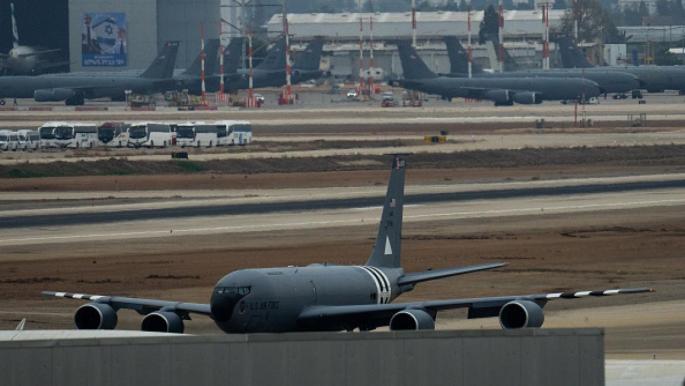
The Wall Street Journal revealed in its report published on Friday that American military equipment, radar systems, and aircraft, valued at billions of dollars, have been destroyed or damaged due to Iranian attacks or unspecified incidents. This information raises concerns about the United States' ability to protect its military investments in the Middle East, where tensions between Tehran and Washington are escalating.
The damaged equipment includes advanced systems intended to enhance regional security, raising questions about U.S. defensive strategies in the face of increasing Iranian threats. These events come at a sensitive time when relations between Iran and the United States are experiencing a noticeable escalation, complicating the security landscape in the region.
Details of the Incident
According to the report, the Iranian attacks targeting this military equipment include a range of operations carried out via drones and long-range missiles. Some of these attacks have been documented by military sources, underscoring the precision in planning and execution by Iranian forces. The report also indicated that some incidents may have resulted from technical malfunctions or misuse of equipment, further complicating the picture.
These significant financial losses represent a painful blow to the U.S. military, which heavily relies on these systems to maintain its military superiority in the region. Moreover, these events may lead to a reevaluation of U.S. defense strategies in the Middle East, as the current situation requires a swift and effective response.
Background & Context
Historically, U.S.-Iran relations have seen increasing tensions since the Iranian revolution in 1979. Since then, the United States has imposed economic and military sanctions on Iran, leading to heightened military tensions between the two parties. In recent years, Iran has ramped up the development of its military capabilities, including drones and missiles, making it a greater threat to U.S. forces in the region.
These attacks are part of a broader Iranian strategy aimed at enhancing its influence in the region, especially in light of the U.S. withdrawal from certain areas. Additionally, these events come at a sensitive time as Iran seeks to bolster its position in nuclear negotiations with global powers.
Impact & Consequences
The repercussions of these attacks extend beyond financial losses, as they may lead to a shift in U.S. military strategies in the region. These events are likely to increase pressure on President Joe Biden's administration, which faces significant challenges in dealing with Iran. They could also lead to potential military escalation, raising the risk of a larger conflict in the region.
Furthermore, these events may impact U.S. relations with its allies in the Middle East, who rely on American military support to counter Iranian threats. If these attacks continue, the United States may need to reassess its military presence in the region.
Regional Significance
These events pose a significant concern for Arab countries, particularly those sharing borders with Iran or affected by its interventions. These attacks could increase tensions in the region, negatively impacting security and stability in Arab nations. Additionally, military escalation could affect the regional economy, especially in energy and trade sectors.
Under these circumstances, Arab countries must take proactive steps to enhance their defensive capabilities and collaborate with international partners to address the growing threats. Diplomatic efforts should also be made to promote dialogue and ease tensions in the region.
In conclusion, these events highlight the importance of strengthening regional and international cooperation to address increasing security challenges, as the security and stability of the region are closely linked to the ability to deal with rising threats from Iran.