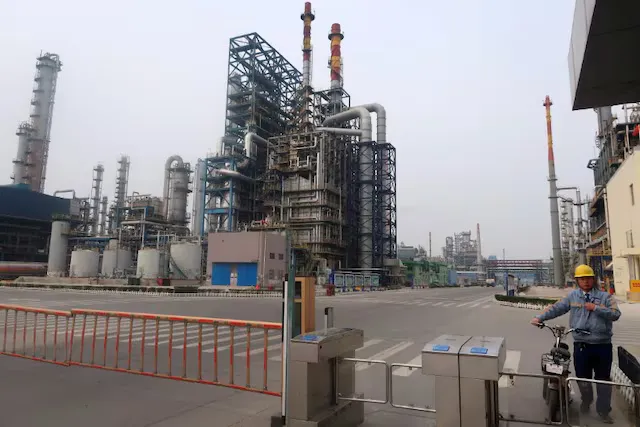
Global concerns are rising after Iranian attacks targeted petrochemical facilities in several Gulf countries, presenting a new reality that could disrupt vital supply chains. These assaults signify a serious escalation aimed at the essential infrastructure that feeds thousands of factories around the world.
The petrochemical sector serves as a crucial link between primary energy resources and the final products we use daily, such as food packaging and medical devices. Therefore, any disturbance in this sector can significantly impact global industrial activity, making it essential to understand the ramifications of these attacks.
Details of the Incident
The recent attacks did not only destroy facilities but also affected market confidence in the stability of supply chains. The petrochemical industry relies on converting oil and natural gas derivatives into essential materials like ethylene and propylene, which are used in manufacturing numerous products. Consequently, any threat to this industry negatively reflects on the global economy.
The petrochemical industry is characterized by its cross-border nature, where basic materials are produced in resource-rich areas such as the Gulf and America, then shipped to major manufacturing hubs in Asia and Europe. This makes it highly sensitive to geopolitical tensions, as any threat to waterways, such as the Strait of Hormuz, could lead to increased shipping costs and rising prices of essential materials.
Background & Context
Before the recent events, forecasts indicated a cautious recovery of the global petrochemical market, with expectations for its size to reach approximately $743 billion. However, the Iranian attacks altered these scenarios, prompting importing countries to take emergency measures to counter the risk of production halts.
Asia is the continent most affected by any disruption in the Gulf petrochemical industry, given its significant reliance on feedstock that passes through the Strait of Hormuz. Nevertheless, this crisis may open the door for new powers to enhance their influence in the global market.
Impact & Consequences
Reports indicate that efforts to enhance local content in Saudi Arabia have seen a qualitative leap, with cumulative spending on corporate purchases reaching around 683 billion riyals (approximately $182.1 billion) between 2019 and 2023. The Local Content Coordination Council has implemented 10 strategic initiatives, reflecting the accelerated pace of empowering the private sector and enhancing local supply chains.
These developments come as part of the council's strategy update extending over the next five years, aimed at enhancing integration between the public and private sectors and developing effective policies to support the national economy. The new strategy includes vital sectors such as oil and gas, chemicals, and mining, reflecting the council's comprehensive goals for achieving sustainable development.
Regional Significance
The repercussions of these events continue to impact the Arab economy, as the current situation requires a swift and effective response from the concerned countries to ensure the stability of supply chains. Additionally, enhancing local content in Gulf countries can help reduce reliance on imports, thereby strengthening these nations' ability to face future crises.
In conclusion, the importance of the petrochemical sector as a fundamental element in the global economy is highlighted, necessitating concerned countries to take effective steps to ensure the continuity of this vital sector.