More than 12 individuals were injured in a series of Iranian attacks across the UAE, Jordan, and Kuwait, raising international concerns about escalating tensions in the region. These attacks come at a sensitive time as relations between Iran and Gulf states are increasingly strained, indicating serious implications for regional security.
The attacks targeted civilian areas in the three countries, resulting in varying degrees of injuries among civilians, reflecting an unprecedented escalation in hostilities. Local sources confirmed that the attacks were carried out using missiles and drones, heightening the severity of the situation and showcasing Iran's capability to execute complex military operations.
Details of the Incident
According to reports, the attacks occurred simultaneously, indicating a high level of coordination among Iranian forces. Vital sites in the UAE, Jordan, and Kuwait were targeted, with civilian injuries reported, provoking angry reactions from the concerned governments. Images circulated on social media depicted scenes of destruction caused by the attacks, intensifying fears of rising violence in the region.
In the aftermath of the attacks, authorities in the three countries announced heightened security alert levels and initiated investigations to ascertain the circumstances of the attacks and identify those responsible. Security measures in the targeted areas were also reinforced in an effort to protect civilians and prevent the recurrence of such attacks.
Background & Context
These attacks occur amid rising tensions between Iran and Gulf states, with recent years witnessing numerous incidents that have exacerbated disputes. Relations between Iran and Arab states in the Gulf have always been tense, particularly following the increase of Iranian influence in the region, which many Arab countries perceive as a threat to their national security.
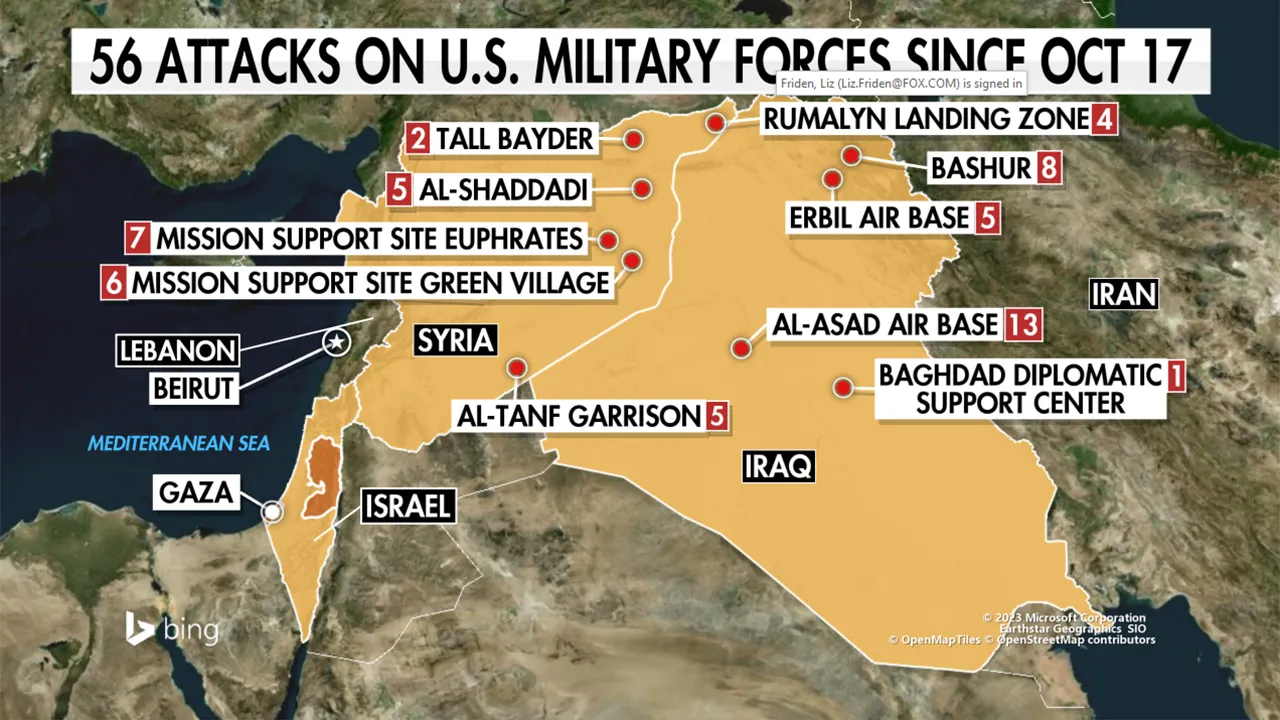
Recent events, such as attacks on commercial vessels in Gulf waters and increased Iranian military activities in Iraq and Syria, have contributed to growing concerns among regional states. These attacks also reflect an escalation of Iranian provocations, placing the region on the brink of potential conflict.
Impact & Consequences
The ramifications of these attacks could be severe for regional security, potentially leading to military responses from the targeted countries. The escalation of hostilities may also impact economic stability in the region, especially given the economic crises faced by some nations.
Furthermore, these attacks could heighten tensions between Iran and the United States, as Washington may exploit these incidents to justify further sanctions or military interventions. This escalation could negatively affect peace efforts in the region and complicate the situations in the Syrian and Iraqi conflicts.
Regional Significance
The Arab region faces significant challenges as a result of these attacks, as security and stability in the Gulf directly affect the rest of the Arab states. The rising tensions could lead to increased divisions among Arab countries, undermining their ability to confront common challenges.
Additionally, these events may influence relations between Arab states and Iran, with some countries potentially seeking to strengthen their alliances with major powers to counter Iranian threats. In this context, Arab nations must adopt effective strategies to address these challenges and enhance security cooperation among themselves.
In conclusion, the situation in the region remains tense, and the international community must intervene urgently to de-escalate tensions and prevent further deterioration. Achieving peace and stability in the region requires collective efforts from all parties involved.