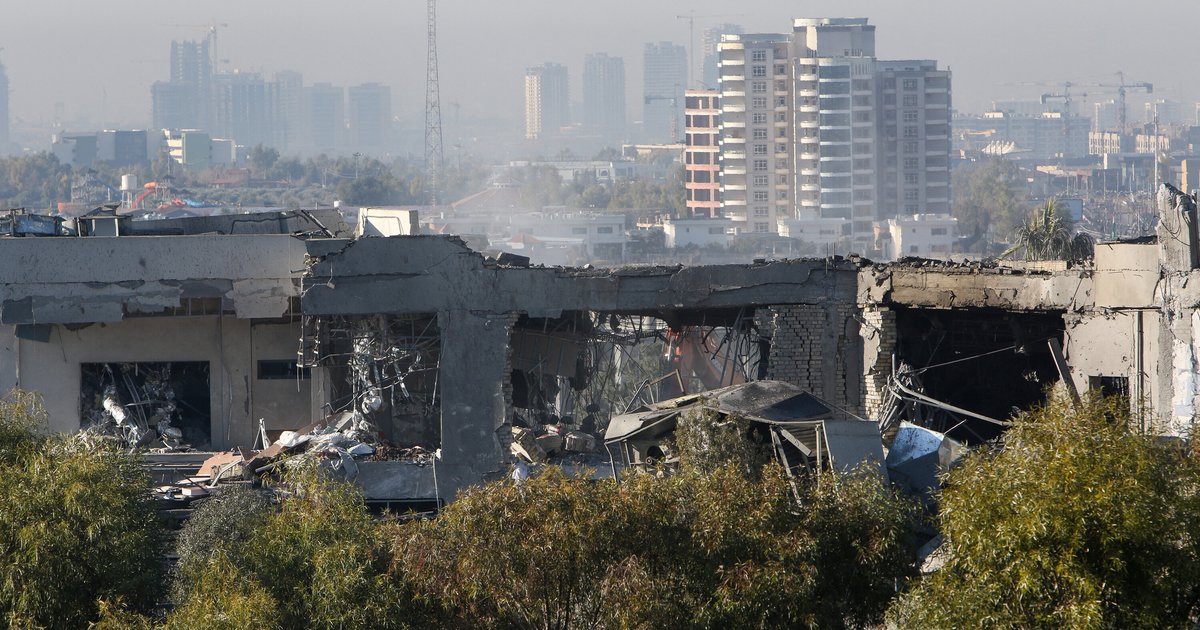
Iranian attacks on the UAE have resulted in the deaths of 11 individuals and injuries to 188 others since the escalation began. These attacks occur amid increasing tensions between Iran and Gulf states, raising concerns about regional stability. The assaults, which targeted civilian areas, have caused panic among residents and disrupted daily life in the UAE.
As the UAE seeks to enhance its internal security, these attacks pose a significant challenge to the government. Reports suggest that the attacks may be part of a broader Iranian strategy aimed at destabilizing the region. Furthermore, these events unfold at a sensitive time, as fears grow over escalating conflicts in the Middle East.
Details of the Attacks
The Iranian attacks on the UAE began earlier this month, targeting several vital areas within the country. Reports indicate that missiles and drones were used in these assaults, leading to the destruction of some civilian facilities. UAE authorities have confirmed that they are working to bolster air defenses to protect citizens and residents.
In response, many Arab nations have expressed solidarity with the UAE, condemning the attacks and calling for urgent measures to halt the escalation. There are also calls for emergency meetings of the Gulf Cooperation Council to discuss the security situation in the region.
Background & Context
Historically, relations between Iran and Gulf states have been fraught with ongoing tensions, with Gulf nations accusing Iran of interfering in their internal affairs and supporting armed groups. These tensions have notably escalated since the United States withdrew from the nuclear agreement with Iran in 2018, leading to severe economic sanctions on Tehran.
The recent events also fit within the broader regional conflict between Iran and the United States and its allies in the area. The increase in Iranian attacks on the UAE under these circumstances complicates the security situation in the Gulf.
Impact & Consequences
These attacks underscore the urgent need to enhance security cooperation among Gulf states. They also highlight the importance of having effective strategies to counter Iranian threats. It is likely that these events will lead to increased military spending in the region, as countries seek to bolster their defensive capabilities.
Moreover, these attacks could negatively impact the UAE's economy, as tourism and investment may suffer due to rising security risks. Under these circumstances, the UAE may need to reassess its economic and security strategies to ensure its stability in the future.
Regional Significance
These events serve as a wake-up call for other Arab nations, emphasizing the need to strengthen regional cooperation to address common threats. The rising tensions in the Gulf could also affect the security and stability of neighboring countries, necessitating a collective response from Arab nations.
In conclusion, the situation in the UAE and the region remains tense, requiring Arab nations to take effective steps to ensure security and stability. The Iranian escalation presents a significant challenge that requires a coordinated response from all concerned parties.