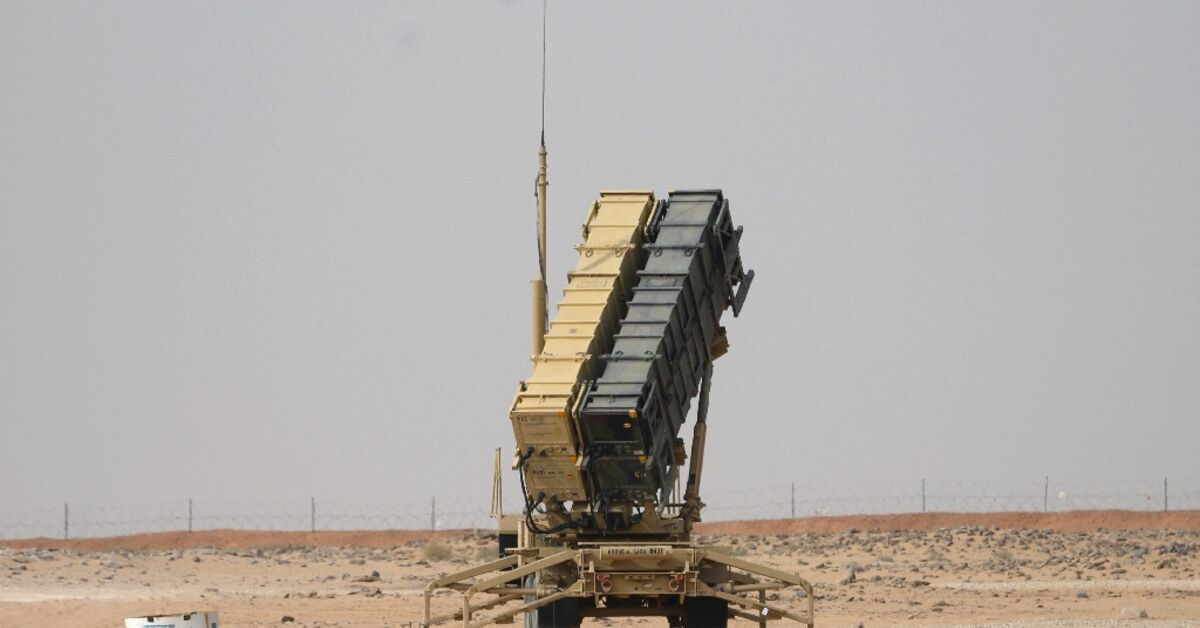
Al-Kharj, located in the Kingdom of Saudi Arabia, is one of the preferred destinations for visitors coming from the capital, Riyadh, offering a peaceful retreat away from the pressures of daily life. However, this tranquility has been disrupted as the city finds itself in the crosshairs of Iranian attacks, raising concerns among residents and visitors alike.
Renowned for its natural beauty, Al-Kharj is adorned with streets lined with palm trees and its famous dates. Nevertheless, its proximity to Prince Sultan Air Base makes it vulnerable to increasing regional tensions, placing it in a precarious position.
Details of the Incident
Recently, Al-Kharj has witnessed a rise in security tensions due to Iranian attacks targeting sites in the region. These attacks, primarily aimed at military facilities, could directly impact the lives of citizens in the city, as many express anxiety over the possibility of recurring assaults.
Located approximately 80 kilometers from Riyadh, Al-Kharj serves as an important agricultural hub, with its economy heavily reliant on agriculture and tourism. As security threats escalate, many are questioning the future of this city and how to protect its residents and visitors.
Background & Context
Historically, Al-Kharj has been known as a rich agricultural area, cultivating various types of palms and dates. The city has experienced significant development over the years, making it a favored tourist destination for many visitors. However, the military escalation in the region, particularly from Iran, has negatively affected tourism and led to a decline in visitor numbers.
These events coincide with rising tensions in the Middle East, where fears of new conflicts are growing, potentially impacting the stability of neighboring countries. Al-Kharj, once considered a haven for relaxation, now faces new challenges that require a swift response from local authorities.
Impact & Consequences
The Iranian attacks are directly affecting Al-Kharj, as residents are increasingly worried about the recurrence of such assaults. The deteriorating security situation could also impact the local economy, potentially leading to a decline in tourism and increased insurance costs for facilities. The continuation of these tensions could adversely affect the daily lives of residents, necessitating an effective government response to protect citizens.
Moreover, the tensions in Al-Kharj could lead to broader implications for relations between Saudi Arabia and Iran, complicating the political landscape in the region. Any escalation in disputes may result in unforeseen consequences at the regional level.
Regional Significance
Al-Kharj exemplifies the challenges many Arab cities face amid regional tensions. The deteriorating security situation in Al-Kharj could have repercussions for neighboring countries, potentially leading to increased migration or displacement from conflict-affected areas.
Additionally, the situation in Al-Kharj highlights the urgent need to enhance regional cooperation to address security threats. Strengthening security and stability in Arab cities requires joint efforts from all concerned nations.
In conclusion, Al-Kharj remains a symbol of resilience in the face of challenges, but the current situation demands a rapid and effective response to protect its residents and visitors. Enhancing security and stability in this city will have positive effects on the entire region.