The United Arab Emirates announced that four individuals were injured early Tuesday due to a fire that broke out in a home in Dubai, caused by shrapnel from an air interception operation. This incident comes at a sensitive time as the region witnesses an escalation in Iranian attacks targeting Gulf countries.
In a related context, a Kuwaiti oil tanker off the coast of Dubai was attacked by a drone, leading to a fire and substantial material damage to the vessel. These events occur amid rising regional tensions, as both Saudi Arabia and Kuwait have faced multiple attacks by missiles and drones since early Tuesday, raising concerns about regional security.
Details of the Incident
The fire that occurred in Dubai was a result of shrapnel falling during an air interception operation, which led to the injury of four individuals who were transported to the hospital for treatment. The incident has raised concerns among local residents and prompted authorities to implement heightened security measures. On the other hand, the attack on the Kuwaiti tanker reflects an escalation in military operations targeting the oil infrastructure in the region.
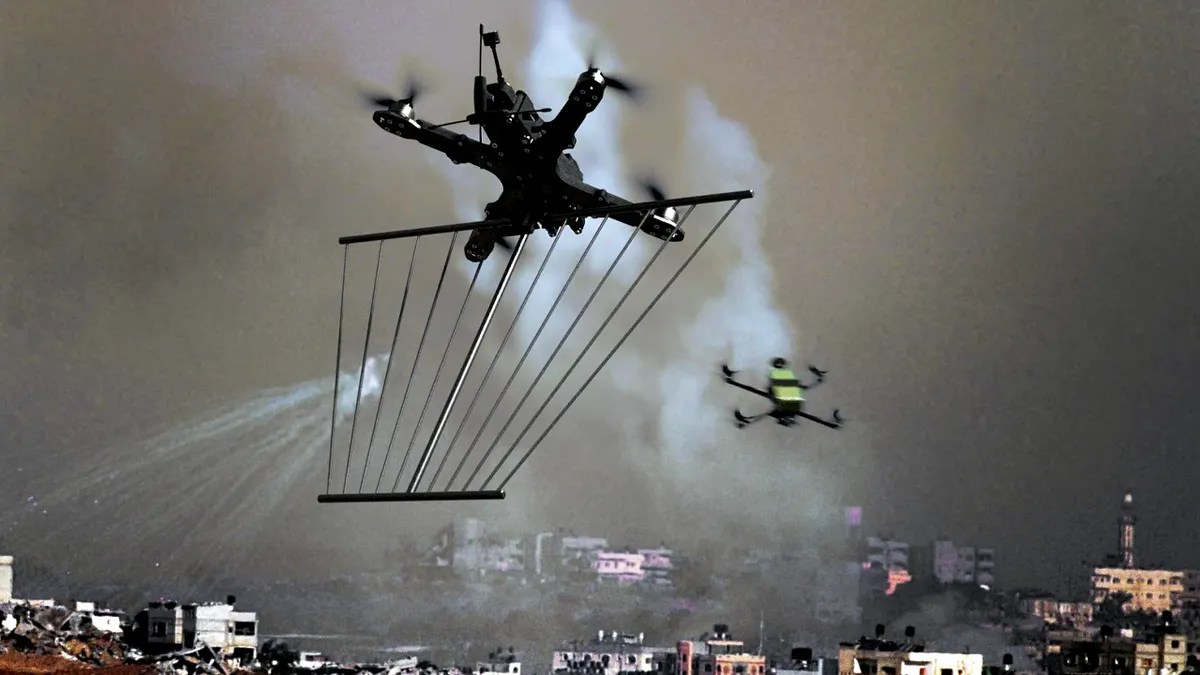
These attacks come at a critical time for Gulf countries, as governments seek to enhance their security and protect their economic interests. Drone attacks represent a significant challenge to regional security, necessitating an effective response from the concerned nations.
Background & Context
The region is experiencing heightened tensions between Iran and Gulf countries, with Gulf nations accusing Iran of supporting armed groups and conducting attacks on their territories. Relations between Iran and Gulf countries have significantly deteriorated since the United States withdrew from the Iranian nuclear deal in 2018, exacerbating regional conflicts.
The recent attacks are part of a series of assaults targeting oil facilities in Saudi Arabia and Kuwait, highlighting the need for enhanced security cooperation among Gulf states to address shared threats. These events also raise concerns about the stability of global oil markets, as many countries rely on oil supplies from the region.
Impact & Consequences
The repercussions of these attacks could be far-reaching, potentially affecting regional security and escalating tensions between Iran and Gulf countries. Furthermore, the continuation of these attacks may lead to an increase in global oil prices, impacting the global economy as a whole.
International responses to these attacks will be crucial in determining the course of events, as major powers are expected to call for restraint and avoidance of escalation. At the same time, Gulf countries may need to bolster their defensive capabilities to confront the growing threats.
Regional Significance
The recent events underscore the importance of Arab cooperation in addressing security challenges. Gulf countries need to enhance security coordination among themselves to tackle shared threats. Additionally, these incidents may lead to increased international support for Gulf nations in the areas of security and defense.
Ultimately, the region remains on high alert, as any further escalation could have serious repercussions for security and stability in the Middle East.