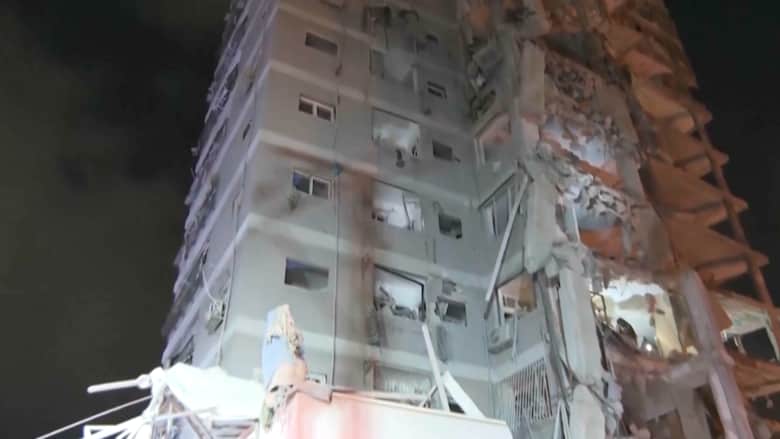
Today, Gulf countries experienced Iranian strikes, with reports confirming an attack on the Shuwaikh Port in Kuwait by drones, resulting in material damage without any human casualties. This attack is part of what Tehran describes as targeting American interests in the region, amidst ongoing regional escalation.
The Kuwait Ports Authority reported that the attack prompted emergency procedures in coordination with relevant authorities, indicating material damage at the port. Shuwaikh Port is the oldest and most important commercial port in Kuwait, located in the Shuwaikh industrial area on the western coast of Kuwait City, primarily used for handling commercial goods and general shipments.
Details of the Incident
In Qatar, the Ministry of Interior announced the security threat had subsided and normalcy had returned, after issuing alerts to citizens and residents to adhere to instructions and stay away from windows and open areas. The Bahraini Ministry of Interior also activated sirens, urging citizens and residents to head to the nearest safe location.
On another front, the Bahrain Defense Force confirmed that since the onset of the Iranian attacks, it has intercepted and destroyed 154 missiles and 362 drones targeting the kingdom. In Saudi Arabia, the official news agency reported that air defenses successfully intercepted and destroyed several drones in the Riyadh and Eastern provinces, where 6 ballistic missiles were launched towards Riyadh, with two of them intercepted.
Background & Context
These attacks occur within the context of increasing regional escalation, as both Israel and the United States have been launching attacks on Iran for nearly a month. Tehran responds by launching missiles and drones towards Israel, as well as targeting what it describes as American interests in Arab countries, resulting in casualties and damage to civilian facilities, which has been condemned by the targeted nations, calling for an end to Iranian aggressions.
Through these attacks, Iran aims to send a strong message to its adversaries in the region, especially amid rising tensions between Tehran and Washington. These circumstances have heightened concerns in Gulf countries, which see themselves in the line of fire of any Iranian escalation.
Impact & Consequences
These attacks underscore the increasing tensions in the Gulf region, which may affect regional security and economic stability. Attacks on ports and vital facilities could disrupt trade and shipping activities, negatively impacting the Kuwaiti and Gulf economies in general.
Moreover, military escalation may prompt Gulf countries to bolster their air defenses, increasing military spending and affecting public budgets. Additionally, any escalation could lead to international reactions, particularly from the United States, which may enhance its military presence in the region.
Regional Significance
These events directly impact security and stability in the Arab region, raising fears of an armed conflict that could draw other countries into the fray. The tense security situation may also affect tourism and investment flows in Gulf countries, exacerbating the economic challenges they face.
In conclusion, the situation in the Gulf remains under close scrutiny, as everyone watches how events unfold amid Iranian escalation and regional tensions. Maintaining security and stability in the region requires intensive diplomatic efforts and cooperation among the concerned countries.