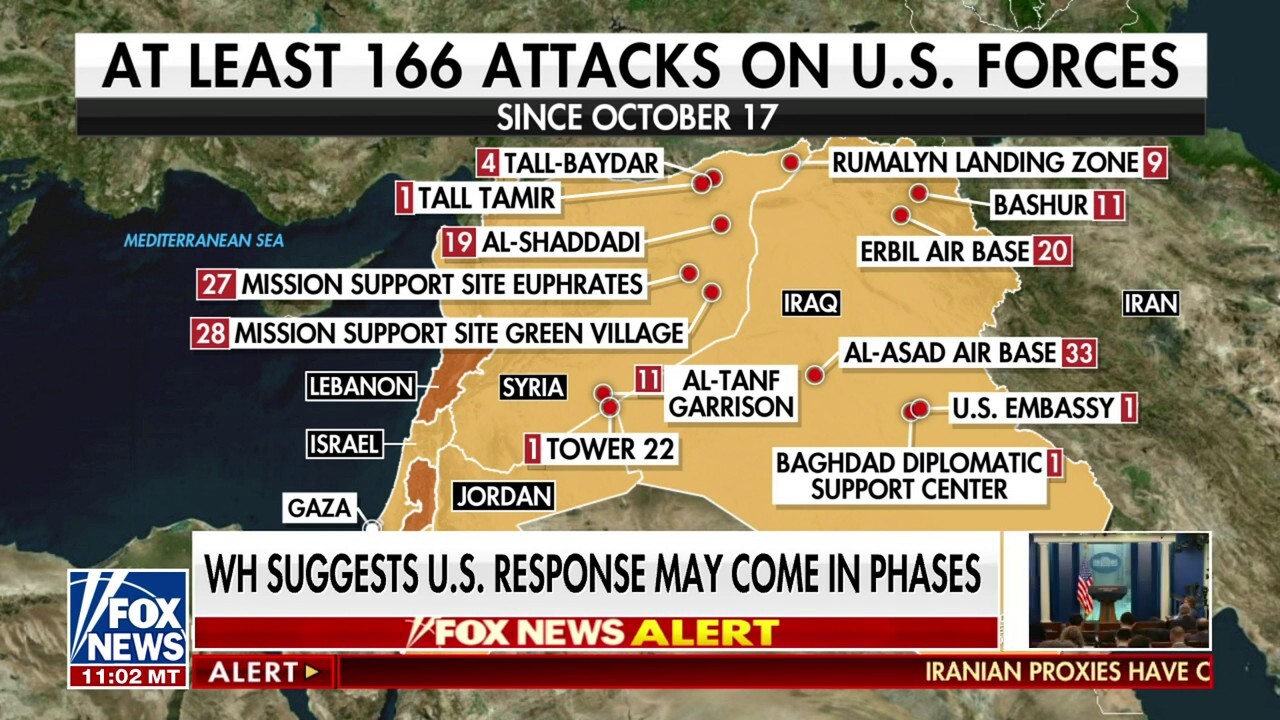
In a serious escalation of events in the Gulf region, Kuwait, Saudi Arabia, the UAE, and Bahrain announced on Sunday the interception of a series of ballistic missiles and drones coming from Iran. This development comes on the 30th day of the ongoing U.S.-Israeli war in the Middle East, which has exacerbated security conditions in the area.
In this context, Oman expressed its condemnation of the ongoing war, emphasizing the need to halt all acts of violence and military targeting that affect all countries in the region. The Omani Foreign Ministry confirmed that no party has claimed responsibility for the recent attacks targeting the sultanate, and that relevant authorities are working to investigate their true source and motives.
Details of the Incident
The UAE Ministry of Defense announced on Sunday that its air defenses intercepted ballistic missiles and drones coming from Iran, noting that the sounds heard in various parts of the country were the result of air defense systems responding to these threats. Meanwhile, Major General Turki Al-Maliki, the official spokesperson for the Saudi Ministry of Defense, confirmed that Saudi air defenses intercepted and destroyed 10 drones on the same day.
For its part, the Bahraini Ministry of Interior reported that sirens were sounded across the country, urging citizens and residents to head to the nearest safe location. The ministry did not provide additional details regarding the reason for the sirens, which are typically associated with the detection of attacks on the country.
The Kuwaiti army announced in a statement that it thwarted waves of missile and drone attacks, indicating that the sounds resulting from explosions in the country's skies were due to the air defense system intercepting hostile attacks.
Background & Context
Since February 28, Israel and the United States have been waging a war against Iran, resulting in the deaths of hundreds of people, including Supreme Leader Ali Khamenei and security officials. Tehran has responded by launching missiles and drones towards Israel, targeting what it claims are American sites and interests in Arab countries. Some of these attacks have resulted in casualties and injuries, causing damage to civilian facilities, which have been condemned by the targeted countries, calling for an end to such actions.
These developments come at a sensitive time, as fears of escalating tensions in the region are increasing, threatening the security and stability of Gulf countries. Many Arab nations have expressed concern over the ramifications of these attacks, which could lead to greater military escalation.
Impact & Consequences
Concerns are growing that these attacks may lead to greater military escalation in the region, especially with rising tensions between Iran and Gulf states. These events could impact political and economic relations between Arab nations and Iran, potentially leading to changes in regional alliances.
Furthermore, the continuation of these attacks could negatively affect regional security and increase instability in Gulf countries, necessitating urgent international action to contain the situation. These circumstances may require enhanced security cooperation among Gulf states to confront shared threats.
Regional Significance
These events serve as a wake-up call for Arab nations, highlighting the need to strengthen regional security and cooperation among countries to address common challenges. Additionally, military escalation could impact the regional economy and exacerbate the suffering of populations amid ongoing economic crises.
In conclusion, the current situation in the region requires urgent action from the international community and Arab nations to avoid further escalation and achieve peace and stability in the Gulf region. Dialogue and diplomacy are the optimal means to address the root causes of the issues and the reasons for the current conflict.