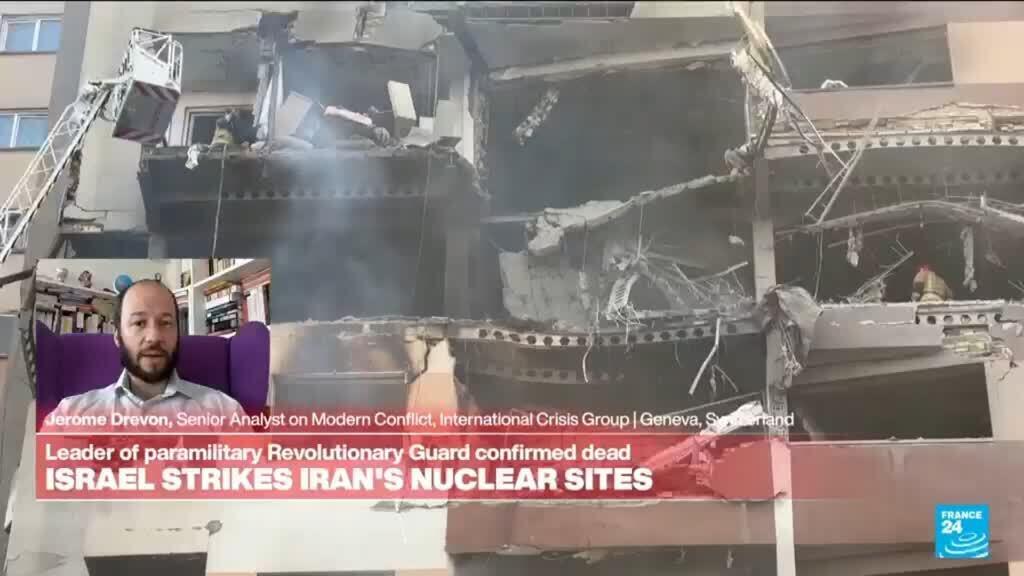
On Wednesday, several Gulf states were subjected to attacks believed to be carried out by Iran, resulting in the death of one person in the UAE, damage to an oil tanker in Qatari waters, and fires in fuel tanks at Kuwait's airport and a facility in Bahrain.
The official Emirates News Agency reported that authorities in the Emirate of Fujairah are dealing with an incident that occurred on a farm in the Al-Rifa area, caused by debris from an intercepted drone. This incident resulted in the death of a Bangladeshi national, and another person was reported injured in Umm Al-Quwain due to falling debris.
Details of the Incident
In Qatar, Qatar Energy confirmed that a missile attack targeted the oil tanker Aqua 1 in the country's northern territorial waters. The company reported that there were no injuries among the tanker crew, and no environmental impact was recorded as a result of the attack. Meanwhile, the Qatari Ministry of Defense announced that the country was targeted by three cruise missiles, two of which were intercepted, while the third hit the aforementioned tanker.
In Kuwait, the General Directorate of Civil Aviation announced a large fire in fuel tanks at Kuwait International Airport due to a drone attack. They confirmed that emergency teams dealt with the incident, noting that the damage was limited to material losses without any human injuries.
In Bahrain, the Ministry of Interior announced the extinguishing of a fire at a facility belonging to a company, resulting from an Iranian attack, with authorities initiating procedures at the incident site. This follows the ministry's announcement of alarm sirens sounding across the country, indicating the detection of potential attacks.
Background & Context
These attacks come amid escalating tensions in the region, where Israel and the United States have been conducting military operations against Iran since February, resulting in numerous casualties. Iran has responded by launching missiles and drones toward Israel, as well as targeting what it considers American interests in Arab countries.
Historically, the region has seen increasing tensions between Iran and Gulf states, with attacks on oil facilities and maritime navigation being prominent methods of Iranian retaliation against international pressures. These attacks are considered part of Iran's strategy to enhance its influence in the region.
Impact & Consequences
These attacks escalate security tensions in the Gulf, affecting regional stability and increasing fears of escalating conflict. Targeting oil tankers poses a direct threat to energy security in the region, which could lead to a rise in global oil prices.
Furthermore, these events may lead to increased security cooperation among Gulf states as they seek to enhance their defensive capabilities against Iranian threats. The region may witness further military movements and intelligence cooperation to address these challenges.
Regional Significance
These attacks serve as a wake-up call for Arab countries, highlighting the urgent need to bolster regional security and cooperation among nations to confront common threats. Additionally, military escalation may impact foreign investments in the region and increase political instability.
In conclusion, the region remains on high alert, with growing concerns about escalating conflict, necessitating a swift and effective response from Arab governments to ensure security and stability.