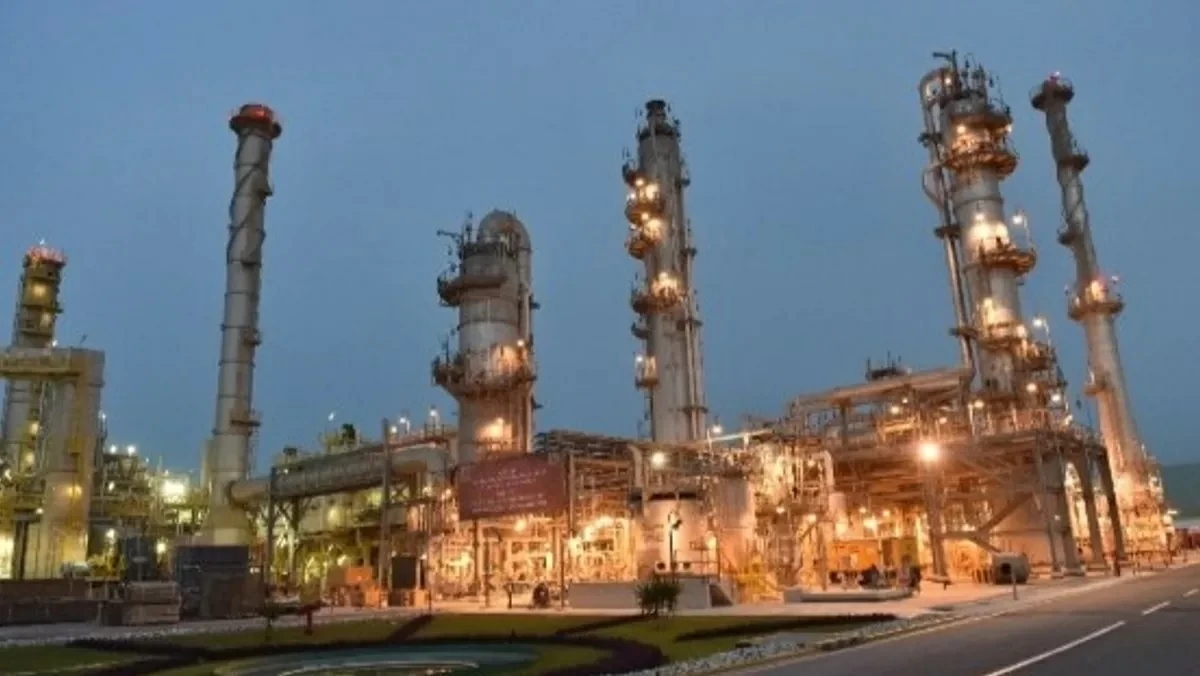
Iran has continued to escalate its attacks on Gulf countries, with Kuwait reporting a fire at an oil complex on Sunday, alongside severe damage to a government complex and two power generation stations due to Iranian missile and drone strikes.
The Kuwait Petroleum Corporation stated in an official release, published by the Kuwait News Agency (KUNA), that the fire at the oil sector complex in Shuwaikh was a result of a drone attack. The corporation confirmed that emergency teams responded immediately to the fire, preventing any human casualties.
Details of the Incident
Additionally, the Kuwaiti Ministry of Finance announced that the government complex in the capital was targeted by an Iranian drone, resulting in substantial material damage to the building. The ministry decided to implement remote work for employees of the government complex on Sunday, postponing the reception of visitors.
In a third attack, the Ministry of Electricity, Water, and Renewable Energy reported that two power generation and water distillation stations were targeted by Iranian drones. The ministry's spokesperson, Fatima Hayat, confirmed that two electricity generation units were rendered inoperable due to this attack, which also resulted in significant material damage.
In Bahrain, the Gulf Petrochemical Industries Company reported that several of its operational units were attacked by Iranian drones, leading to a fire in those units. The fire was brought under control and extinguished without any recorded human injuries, with specialized teams currently assessing the damage.
Background & Context
These Iranian attacks come at a sensitive time, coinciding with the end of the ten-day deadline set by former U.S. President Donald Trump for Iran to reach an agreement to end the conflict. This escalation indicates the Iranian regime's desire to continue its hostile actions towards Gulf countries, disregarding the potential consequences for the Iranian people or the region's nations.
These attacks represent a challenge to both regional and international security, as informed sources indicate that the real victims of these strikes are not the United States or Israel, but rather the Gulf Cooperation Council countries and developing nations suffering from rising energy costs due to Iran's aggressive policies.
Impact & Consequences
Sources confirm that Iran's ongoing targeting of Gulf countries reflects its insistence on involving regional nations in conflicts in which they are not parties, further complicating the security situation. Additionally, targeting oil facilities in Kuwait and Bahrain represents an unjustified escalation that threatens regional stability and reflects Iran's inability to address the real challenges it faces.
This escalation could provoke reactions from Gulf Cooperation Council countries, potentially exacerbating existing crises and heightening tensions in the region. Furthermore, these attacks may impact the stability of global energy markets, negatively affecting the global economy.
Regional Significance
These events serve as a wake-up call for regional countries, emphasizing the need to enhance security cooperation and coordination among Gulf nations to confront shared threats. The Iranian escalation may also contribute to increasing divisions among Arab states, affecting efforts to achieve stability and development in the region.
In conclusion, these events highlight the urgent need for a comprehensive dialogue among regional countries to address outstanding issues and avoid escalation that could lead to dire consequences for all parties involved.