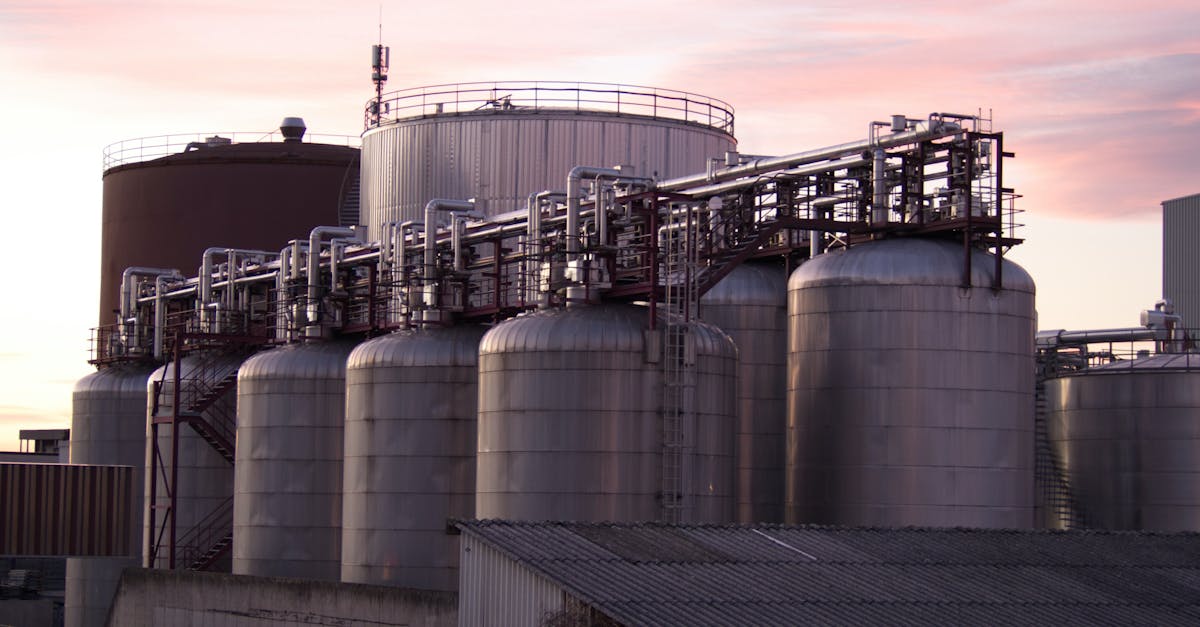
On Sunday morning, Kuwait experienced Iranian attacks targeting vital facilities, resulting in a fire at an oil complex in Shuwaikh, which caused significant damage to a government ministry complex and two power generation stations. The Kuwait Petroleum Corporation (KPC) stated in an official announcement that the fire was caused by an assault using drones, raising widespread concern in local and international circles.
The attacks on Kuwait come at a sensitive time, as the region is witnessing increasing tensions between Iran and Gulf states. KPC confirmed that emergency teams are working to contain the fire and minimize damage, while relevant authorities have been informed to take necessary actions.
Details of the Incident
The Iranian attacks, which utilized missiles and drones, targeted the oil sector complex in Shuwaikh, one of the most important oil complexes in the country. The fire that broke out at the complex led to the suspension of some production operations, raising fears of negative impacts on the Kuwaiti economy. The government ministry complex also suffered severe damage, reflecting the seriousness of these attacks.
Preliminary investigations suggest that the attacks were meticulously coordinated, indicating a high level of planning and execution. Security forces have been deployed in the area to enhance protection around vital facilities, amid calls for tightening security measures in the country.
Background & Context
These attacks occur within the context of escalating tensions between Iran and Gulf states, with the region having witnessed several similar incidents in recent years. Relations between Kuwait and Iran have been strained due to multiple issues, including Iran's support for militias in the region. Kuwait is also part of the Arab coalition seeking to counter Iranian influence in the area.
Historically, Kuwait has been a target of similar attacks, having experienced missile strikes during the Iraqi invasion in 1990. However, these recent attacks represent an unprecedented escalation in regional tensions, increasing concerns about stability in the Gulf.
Impact & Consequences
The Iranian attacks on vital facilities in Kuwait could lead to significant economic and political repercussions. Economically, oil prices may be affected due to instability in the region, which could negatively impact the Kuwaiti economy that heavily relies on oil exports. Additionally, the damage to government complexes may disrupt governmental operations.
Politically, these attacks could heighten tensions between Kuwait and Iran, prompting the Kuwaiti government to take strict measures to protect national security. These events may also lead other countries in the region to reassess their security and military strategies.
Regional Significance
These attacks are indicative of rising tensions in the Gulf region, which could provoke reactions from other countries in the area. Arab nations may find themselves compelled to strengthen their security alliances to counter increasing Iranian threats. Furthermore, these events could impact relations between Arab countries and Iran, complicating the regional landscape.
In conclusion, these attacks pose a significant challenge to security and stability in Kuwait and the region as a whole. The current situation requires all parties involved to work towards de-escalating tensions and avoiding escalation to ensure the safety of citizens and protect vital facilities.