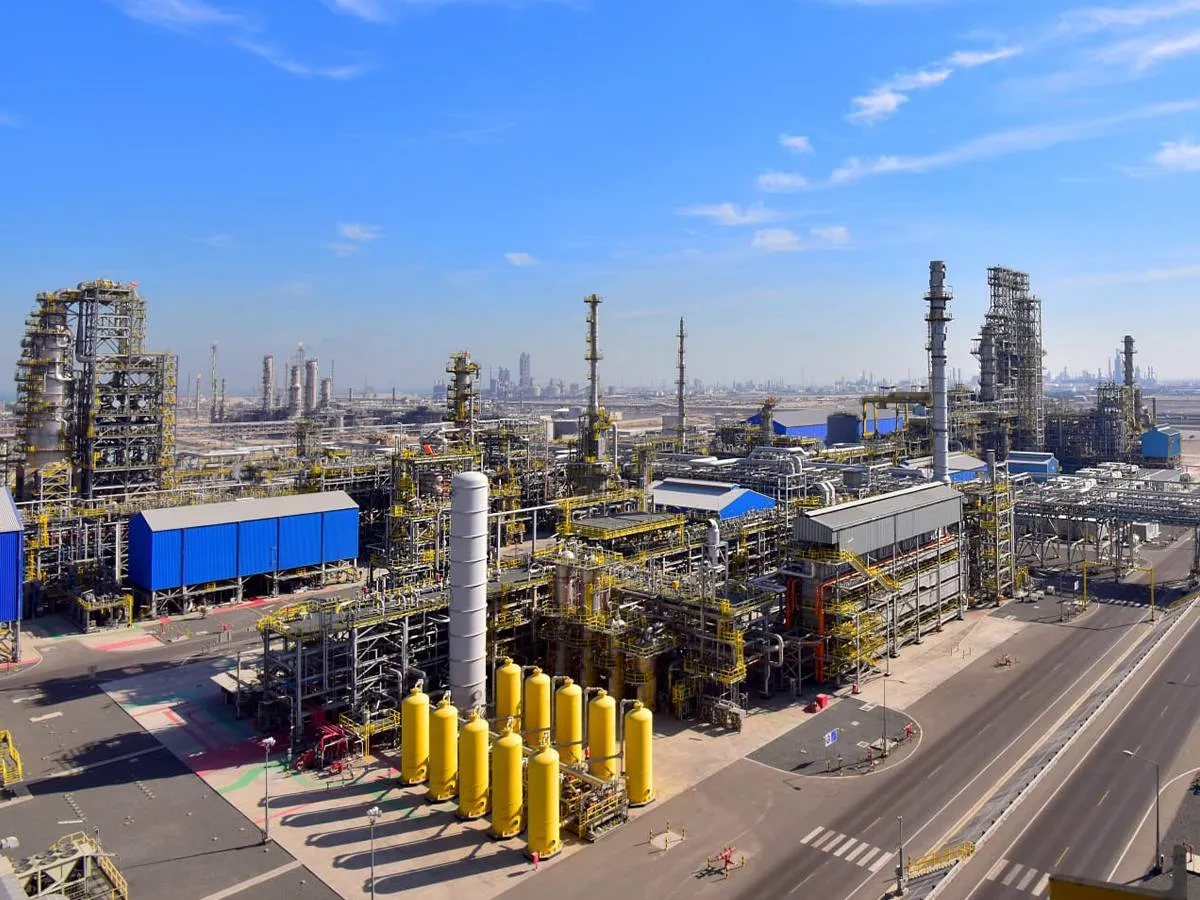
Kuwait and the UAE have recently been subjected to new Iranian attacks, where drones and missiles targeted vital facilities in both countries, resulting in injuries and material damage. In Kuwait, the Ahmadi Port refinery and a power and water desalination station were attacked, while operations at the Habshan gas facilities in Abu Dhabi were suspended following the fall of debris.
In detail, the Kuwait Petroleum Corporation confirmed that the Ahmadi Port refinery was targeted by drones, leading to fires in several operational units. Emergency and firefighting teams managed the fire with high efficiency, with no human injuries reported. The Ministry of Electricity and Water of Kuwait also reported material damage at one of the power stations due to the Iranian aggression.
Details of the Attacks
In Kuwait, Colonel Saud Al-Otaibi, spokesperson for the Ministry of Defense, announced the detection of 7 ballistic missiles and 26 hostile drones within a 24-hour period. Additionally, Major Nasser Bou Saleh, spokesperson for the Ministry of Interior, reported that authorities dealt with 9 reports of debris falling, bringing the total number of reports to 649 since the beginning of the attacks.
In the UAE, air defenses intercepted 18 ballistic missiles and 47 drones, raising the total number of attacks since the onset of hostilities to 475 missiles and 2085 drones. These attacks resulted in the deaths of 2 military personnel and 8 civilians, in addition to 203 injuries.
Background & Context
These attacks occur amid escalating tensions in the region, as Iran seeks to expand its influence by targeting vital facilities in Gulf countries. Several nations have condemned these attacks, deeming them a blatant violation of international humanitarian law and a threat to regional security.
Historically, the region has witnessed numerous Iranian attacks on vital facilities, leading to heightened tensions between Iran and Gulf states. The air defenses in these countries have demonstrated their capability to counter such attacks, reflecting their readiness to face security challenges.
Impact & Consequences
These attacks underscore the urgent need to enhance security cooperation among Gulf states, as Iranian threats represent a shared challenge. Furthermore, these assaults may negatively impact foreign investments in the region, increasing economic pressures.
Moreover, military escalation could provoke international reactions, as major powers seek to mediate conflicts in the region. These events may also affect relations between Iran and Western countries, especially amid ongoing tensions surrounding the Iranian nuclear program.
Regional Significance
These attacks serve as a wake-up call for countries in the region, highlighting the need to bolster regional security and cooperation among Arab nations. Additionally, military escalation may exacerbate humanitarian crises in the area, necessitating an urgent response from the international community.
In conclusion, the situation in the Gulf remains sensitive, as any further escalation could lead to serious repercussions for security and stability in the region. Concerned nations must take effective steps to address these threats and ensure the protection of their vital facilities.