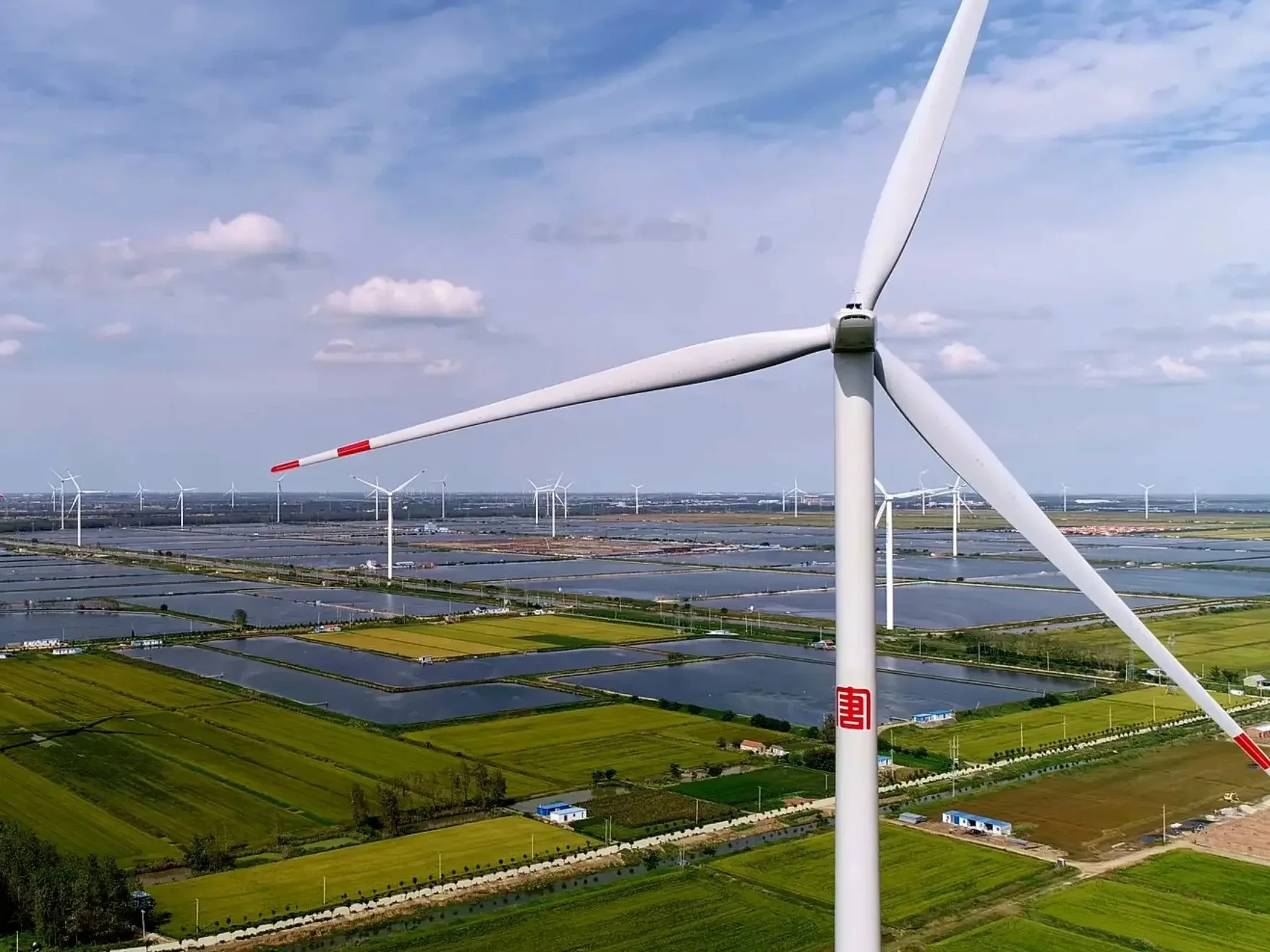
George Bilicic, the head of the energy and infrastructure division at Lazard, revealed the impact of the Iranian conflict on renewable energy investments during his talk at the CERAWeek conference held in Houston. He emphasized that this conflict is reshaping investors' appetite for energy investments, raising questions about the future of renewable energy amid these changing circumstances.
In an interview with Bloomberg journalist Julie Fine, Bilicic explained that the conflict in Iran could lead to radical changes in energy investment strategies. He noted that investors have become more cautious in their decision-making, which may affect renewable energy projects that were previously of great interest.
Event Details and Key Discussions
During the conference, Bilicic addressed a range of energy-related issues, including the challenges facing renewable energy amid geopolitical crises. He confirmed that the Iranian conflict could lead to rising oil and gas prices, negatively impacting renewable energy investments that rely on price stability.
He also pointed out the urgent need to develop new strategies to adapt to these changes. Bilicic stressed that innovation in renewable energy will be essential to meet future challenges, highlighting the importance of investments in clean technologies.
Background & Context
Historically, the Middle East has witnessed numerous conflicts that have directly impacted global energy markets. The Iranian conflict, which has spanned decades, has significantly influenced the stability of oil and gas prices. In recent years, the importance of renewable energy as a sustainable alternative has increased, but geopolitical tensions may hinder this trend.
Many countries are striving to reduce their dependence on fossil fuels, yet political and economic challenges may obstruct these efforts. In this context, Bilicic's remarks underscore the importance of understanding the relationship between politics and energy.
Impact & Consequences
Reports predict that the Iranian conflict will lead to increased volatility in energy markets, which could affect renewable energy investments. Investors may hesitate to inject funds into new projects, potentially slowing growth in this sector.
Moreover, these conditions could lead to a greater reliance on fossil fuels in the short term, conflicting with global goals to reduce carbon emissions. This raises questions about how to balance the need for energy with environmental sustainability.
Regional Significance
For the Arab region, the impact of the Iranian conflict on renewable energy investments could have significant repercussions. Countries aiming to diversify their energy sources may find themselves in a difficult position, as political tensions could hinder their efforts.
Furthermore, rising oil and gas prices could exacerbate economic conditions in some Arab nations, potentially affecting their political and social stability. Therefore, it is crucial for Arab countries to adopt flexible strategies to adapt to these changes.
In conclusion, the Iranian conflict remains a significant factor in the global energy market, and investors and policymakers must be aware of the challenges and opportunities that may arise amid these changing conditions.