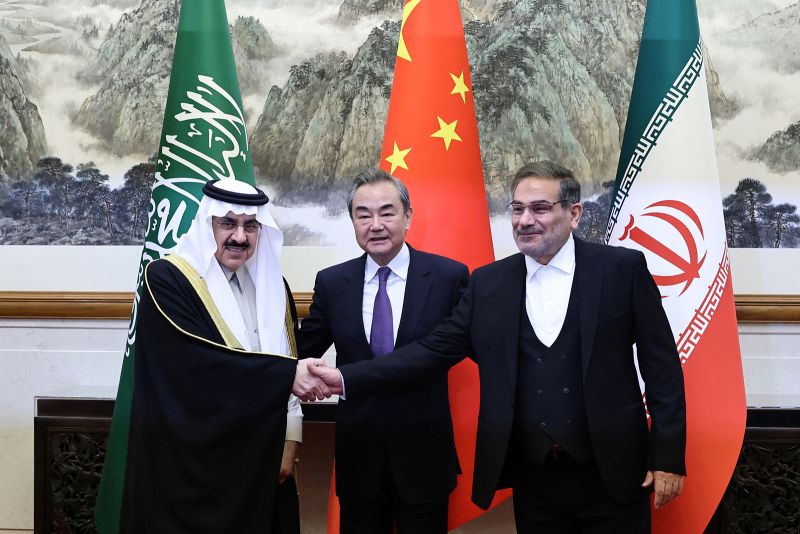
The rapid events unfolding in the Iranian conflict demonstrate how China is enhancing its status as a global superpower on the international stage. As tensions in the region escalate, Beijing is capitalizing on its industrial strength to expand its economic and diplomatic influence. This shift is part of a broader Chinese strategy aimed at reinforcing its role in the global system.
Amid the multiple crises facing Iran, including economic sanctions and international pressures, Beijing has shown its readiness to support Tehran. This support extends beyond the economic sphere, encompassing military and technological cooperation, reflecting China's desire to strengthen ties with countries facing similar challenges.
Details of the Current Situation
China seeks to exploit the current situation in Iran to bolster its position in the global market. With the increasing demand for energy sources, Iran is viewed as a strategic partner for Beijing, especially amid rising tensions with the West. Reports have indicated that China has increased its imports of Iranian oil, enhancing Tehran's ability to withstand economic pressures.
Furthermore, China is one of the largest investors in Iranian infrastructure projects, strengthening the economic ties between the two countries. This relationship is part of the Belt and Road Initiative, which aims to enhance trade and investment between China and other nations.
Background & Context
Historically, the relationship between China and Iran has been characterized by close cooperation, particularly in the fields of energy and trade. As tensions in the Middle East have escalated, Iran has become a focal point in China's strategy to expand its influence in the region. This cooperation is not a recent development but is the result of decades of diplomatic and economic relations.
In recent years, the relationship between Beijing and Tehran has seen significant evolution, with both countries signing multiple agreements to enhance cooperation in energy and technology. These agreements are part of China's strategy to strengthen its presence in global markets, especially in light of challenges posed by other major powers such as the United States.
Impact & Consequences
Analyses suggest that the strengthening of relations between China and Iran could alter the balance of power in the region. As Chinese influence grows, other countries in the Middle East may find themselves compelled to reassess their strategies. This change could lead to the emergence of new alliances and increasing tensions in the region.
Moreover, this cooperation may impact global oil prices, as increased Chinese demand for Iranian oil could lead to price hikes. This situation could have significant ramifications for the global economy, especially amid current economic crises.
Regional Significance
For Arab countries, this shift in relations between China and Iran serves as a call to rethink their strategies. With the growing Chinese influence, Arab nations may face new challenges related to security and economics. It is crucial for these countries to reassess their relationships with both Beijing and Tehran, especially in light of the escalating tensions in the region.
In conclusion, the current situation illustrates how the Iranian conflict may enhance China's status as a superpower, altering the global balance of power. This shift necessitates that Arab nations remain vigilant and reevaluate their strategies in light of these changing dynamics.