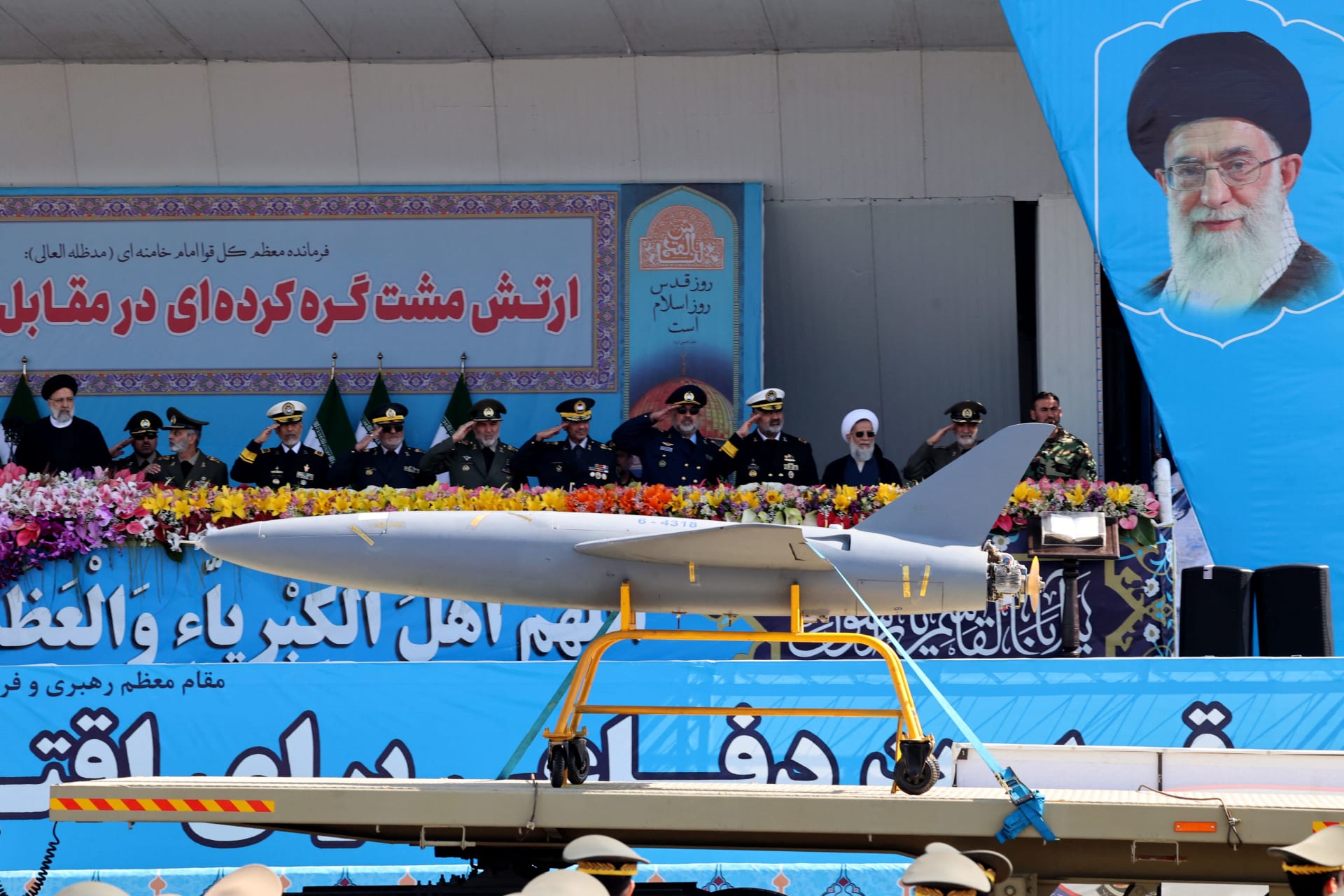
Kuwait summoned the Iranian ambassador in a move reflecting the escalating tensions between the two countries after an Iranian drone targeted a fuel tank at Kuwait International Airport, leading to a large fire. The Iranian ambassador received a note of protest from Kuwait's Deputy Foreign Minister, Aziz Al-Dihani, who described the attack as part of "repeated assaults" on the country.
The incident occurred late yesterday, with the Kuwaiti Ministry of Defense reporting that firefighting teams are still working to contain the blaze caused by the attack, which is considered the first of its kind targeting a vital facility in Kuwait since the onset of the U.S.-Israeli conflict against Iran.
Details of the Incident
This attack follows a series of tense events between Kuwait and Iran, marking the third time Kuwait has summoned the Iranian ambassador since the beginning of the conflict. Kuwait has emphasized the necessity of maintaining its security and stability, stressing that such attacks will not go unanswered.
The drone that targeted the airport has been identified as part of Iran's military operations that are increasing in the region, raising concerns about regional security. Kuwaiti officials have indicated that the attack could affect air travel and tourism in the country, which heavily relies on this sector.
Background & Context
Historically, relations between Kuwait and Iran have been strained, especially following the Iraqi invasion of Kuwait in 1990, during which Iran supported Kuwait. However, the rising regional tensions, particularly after the U.S. withdrawal from the Iranian nuclear deal, have exacerbated the relationship between the two countries.
Kuwait is part of the Arab coalition that counters Iranian influence in the region and has repeatedly shown its support for international efforts aimed at containing Iran. This attack comes at a sensitive time, as fears of military escalation in the region are increasing, which could have serious repercussions for all neighboring countries.
Impact & Consequences
The recent attack may lead to a diplomatic escalation between Kuwait and Iran, with expectations that Kuwait will take further actions against Iran in international forums. Additionally, this incident could open the door for more military interventions by major powers in the region, complicating the security situation further.
Moreover, this attack could impact trade and economic relations between Kuwait and Iran, as Kuwait may take additional measures to protect its interests, potentially leading to a deterioration of economic relations between the two countries.
Regional Significance
These events are part of a series of regional tensions affecting Gulf Arab states. The increasing Iranian attacks could provoke reactions from other Gulf countries, heightening tensions in the region. Furthermore, these events may impact the stability of oil markets, as Kuwait is one of the largest oil producers in the world.
In conclusion, the recent escalation between Kuwait and Iran demonstrates that the situation in the region remains fragile, and any military escalation could lead to serious consequences for regional and international security. It is crucial for the involved countries to take diplomatic steps to avoid further escalation and maintain security and stability in the region.