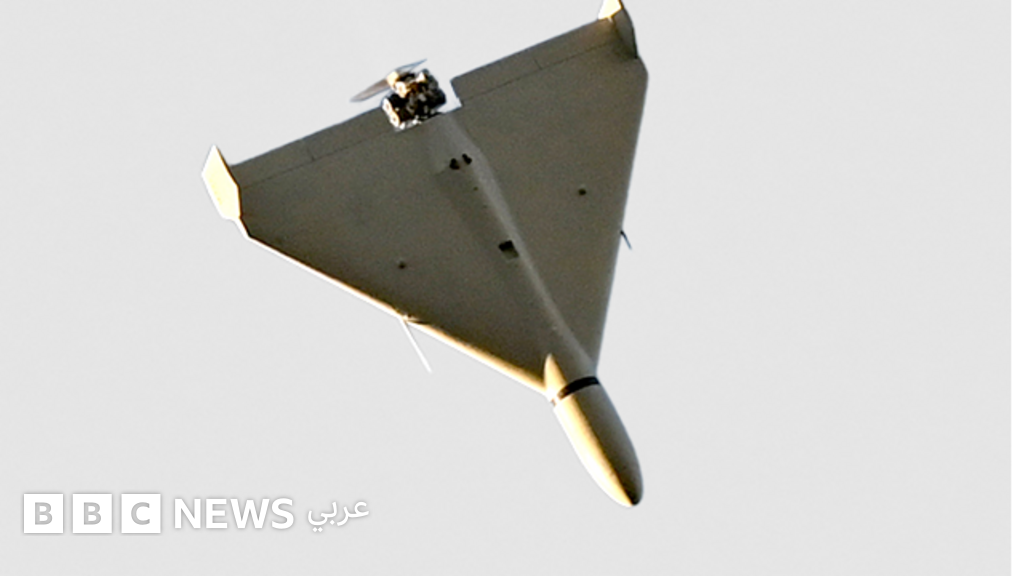
Iranian drones, particularly the suicide drones known as 'Shahed', are among the most significant weapons employed by Tehran to disrupt its adversaries, including the United States and Gulf countries. This low-cost technology contributes to altering the balance of power in the region, as Iran seeks to maintain its control over the Strait of Hormuz, a vital artery for global energy supplies.
Iran is increasingly relying on low-cost drones, marking a notable shift in the nature of modern conflicts. Technological superiority or the cost of weapons is no longer sufficient to ensure victory, as reports indicate that Iran is capable of manufacturing these drones using simple commercial components, facilitating production and enhancing its ability to sustain conflict.
Event Details
Reports from the New York Times and Wall Street Journal have shed light on this transformation, indicating that Iran possesses the capability to produce drones even amid ongoing conflict. Although the number of drones launched by Tehran daily has decreased from 400 to between 70 and 90, the ability to continue attacks poses a significant challenge to targeted nations, including Israel and Gulf states.
Iran benefits from its geographical proximity to Gulf countries, granting its drones an additional advantage in reducing attack distance and response time. Despite the success of air defenses in intercepting many drones, some are able to penetrate these systems, complicating the security situation in the region.
Background & Context
Military cooperation between Iran and Russia has played a pivotal role in enhancing Tehran's drone capabilities. Iran has leveraged Russian experience in developing this technology, including long-range drones. Although Iranian capabilities remain less advanced than their Ukrainian counterparts, their use in a confined environment like the Strait of Hormuz could be effective and dangerous, especially against warships and oil tankers.
Reports warn that any U.S. ground or naval forces in the Gulf will become targets for these drones, as American forces still lack anti-drone equipment at the vehicle and unit levels. These new challenges raise questions about the readiness of the U.S. military to confront this type of warfare.
Impact & Consequences
Reports indicate that Iran is not currently focused on targeting the U.S. homeland but aims to exert pressure through the Strait of Hormuz. However, the ability to use drones for attacks that are difficult to directly link to Tehran remains a real threat. Experts caution against repeating past mistakes, such as the failure to anticipate the September 11, 2001 attacks, emphasizing the need to prepare for such scenarios.
New threats, such as drones, require an expansion of security thinking. Smaller systems can be stored inside shipping containers and launched from offshore, making them difficult to track. These characteristics make drones a concerning weapon in the modern battlefield.
Regional Significance
Concerns are rising in the Arab region regarding the impact of this technology on regional security. Gulf countries, which heavily rely on the stability of the Strait of Hormuz, may face new challenges amid the increasing use of drones. Shifts in the balance of power could exacerbate existing conflicts, necessitating a strategic response from Arab nations to address these threats.
In conclusion, it appears that Iran, supported by Russia, is adapting to rapid changes on the battlefield, giving it a relative advantage in the event of direct confrontation. This situation requires concerned nations to reassess their security strategies and regional cooperation to tackle new challenges.