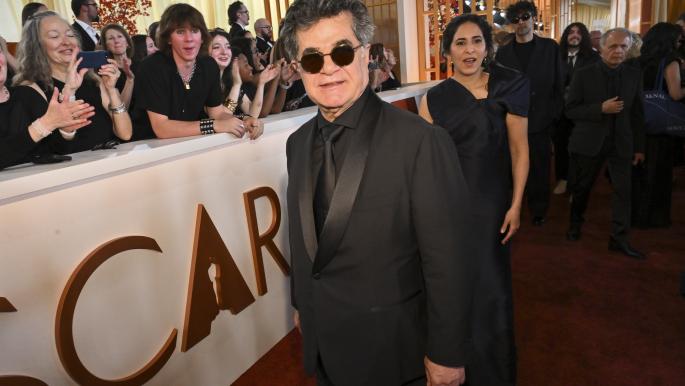
Iranian filmmaker Jaafar Panahi has returned to his homeland after a successful tour abroad to promote his new film, despite the prison sentence issued against him. Sources confirmed that Panahi arrived in Tehran after participating in several international film festivals.
Jaafar Panahi is considered one of the most prominent directors in Iranian cinema, having won numerous international awards. However, he faces significant challenges in his country due to his political stances and his refusal to accept censorship imposed on art.
Details of the Event
After completing the promotional tour for his latest film, titled 'There Is Still Hope', Panahi decided to return to Iran. The film, which addresses sensitive social and political issues, received critical acclaim at the festivals where it was screened. Despite the prison sentence against him, Panahi chose to return to his homeland, reflecting his courage and determination to continue his artistic work.
The prison sentence issued against Panahi in previous years was a result of his political positions and his refusal to accept censorship of his works. He has been arrested several times for criticizing the Iranian authorities, making him a symbol of cultural resistance in Iran.
Background & Context
Iranian cinema is considered one of the most significant cinemas in the world, known for its deep and innovative artistic works. However, it faces major challenges due to restrictions imposed by the government. Since the Islamic Revolution in 1979, the country has undergone radical changes in its cultural landscape, with strict censorship imposed on artistic works.
Jaafar Panahi, born in 1960, began his artistic career in the late 1980s and quickly became one of the leading directors in the world. His works, such as 'The Circle' and 'The Search for Paradise', reflect the social and political reality in Iran, making him a target for the authorities.
Impact & Consequences
Panahi's return to Iran may provoke mixed reactions. On one hand, some may view it as a brave step reflecting his commitment to his art and country, while others may see it as a risky move. Given the current political climate, Panahi may face increased pressure from the authorities.
This return also highlights the challenges faced by Iranian cinema under censorship. Many Iranian directors and artists face similar fates, raising questions about freedom of expression in the country.
Regional Significance
Panahi's experience serves as a model for many artists in the Arab region who face similar challenges. Amid the tense political situations in many Arab countries, Panahi demonstrates how art can be a means of expressing social and political issues.
His story may inspire Arab artists to hold on to their principles and continue working under difficult circumstances. Furthermore, his return to Iran could open discussions about freedom of expression in the Arab world.
In conclusion, Jaafar Panahi's return to Iran is not just a fleeting event but a reflection of the challenges facing cinema and art under repressive regimes. Panahi's story remains a symbol of hope and cultural resistance in the face of adversity.