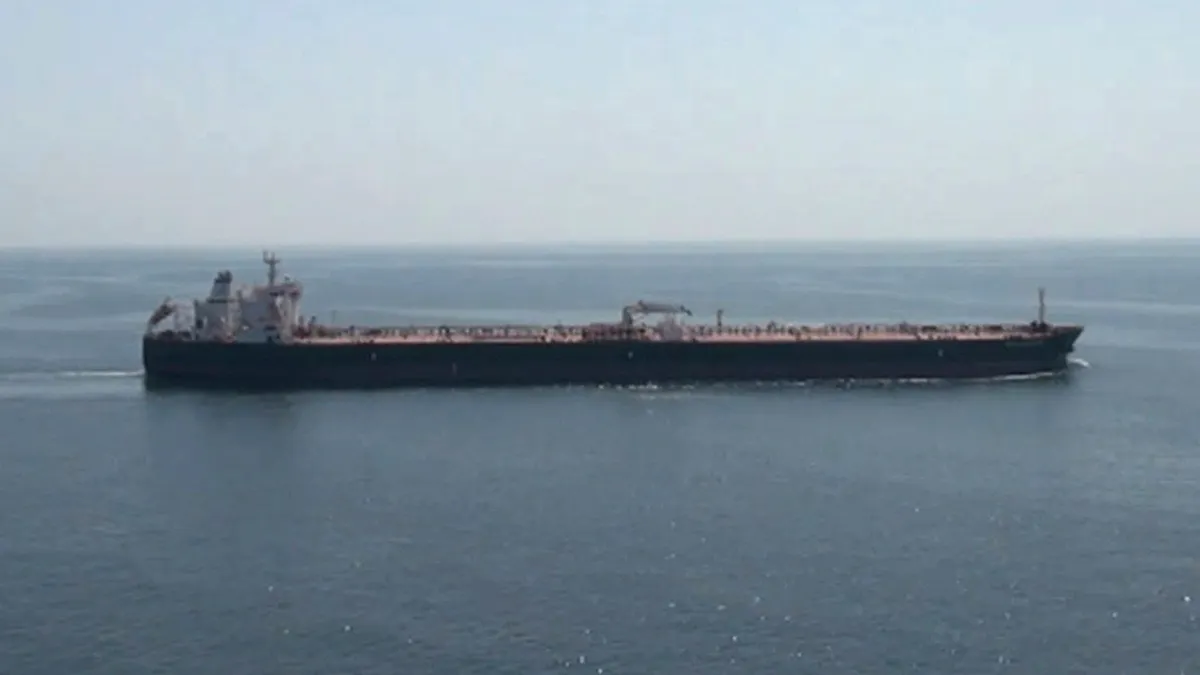
A Kuwaiti tanker named 'Al-Salmi' was attacked by Iranian forces off the coast of Dubai, raising significant concerns in maritime and political circles. The incident occurred at a sensitive time, as tensions between Iran and Gulf states are increasing, putting maritime security in the region under scrutiny.
The attack on the Kuwaiti tanker is seen as a new escalation in a series of incidents that have plagued the region in recent years, with Gulf states accusing Iran of conducting hostile activities that threaten maritime navigation. No human injuries were reported, but the damage to the tanker could impact trade movements in the area.
Details of the Incident
According to reports, the attack occurred late last night, targeting the tanker while it was crossing international waters. Kuwaiti sources confirmed that the tanker was carrying a shipment of oil, and while the attack did not significantly affect the cargo, the damage sustained may require extensive repairs.
This attack comes amid rising tensions between Iran and Arab states, as Iran seeks to bolster its influence in the region, raising fears of military responses from affected countries. The Kuwaiti government issued an official statement condemning the attack and emphasizing the need to protect maritime navigation.
Background & Context
Historically, the region has witnessed numerous maritime incidents resulting from political tensions. Since 2019, tensions between Iran and the United States and its Gulf allies have escalated, leading to a series of attacks on oil tankers and commercial vessels. These events have resulted in an increased U.S. military presence in the region, which Iran perceives as a threat to its national security.
The waters surrounding the Arabian Gulf are among the most important maritime corridors in the world, with a significant percentage of global oil exports passing through them. Therefore, any threat to maritime navigation can have a substantial impact on the global economy, as well as the local economies of the involved countries.
Impact & Consequences
The attack on the Kuwaiti tanker could lead to heightened tensions between Iran and Gulf states, potentially prompting military or diplomatic responses. Gulf countries may enhance their maritime security, which could further escalate tensions in the region. Additionally, this incident may affect global oil prices, as any threat to maritime navigation could lead to sudden price increases.
Furthermore, this attack could impact relations between Kuwait and Iran, as Kuwait may seek to take diplomatic action against Iran in international forums. It is crucial for Gulf states to remain united in the face of these threats to ensure their security and stability.
Regional Significance
This incident serves as a wake-up call for Arab countries, highlighting the need to strengthen security cooperation among Gulf states to address common threats. The incident also underscores the importance of protecting maritime navigation, which is a lifeline for Arab economies.
In conclusion, the attack on the Kuwaiti tanker demonstrates the urgent need for immediate action to ensure maritime security in the region. Arab countries must collaborate more effectively to confront the security challenges that threaten their stability.