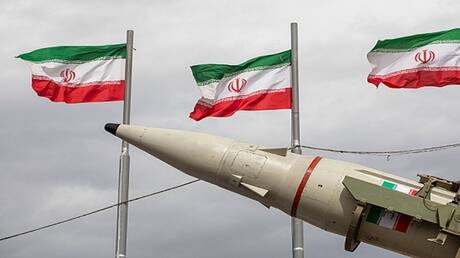
Iran's central 'Khatam al-Anbiya' headquarters announced that Iranian air defenses targeted two US C-130 aircraft and two Black Hawk helicopters during a failed rescue attempt south of Isfahan. This incident occurs at a sensitive time as tensions between Iran and the United States continue to rise in the region.
Details surrounding the incident remain unclear, but reports suggest that the aircraft were on a mission to transport troops or equipment. The attack on these aircraft reflects the capability of Iranian air defenses to counter aerial threats and strengthens Iran's position in the face of US military pressures.
Details of the Incident
According to available information, the US aircraft were targeted while flying in an area near Isfahan, one of Iran's strategic cities. Iranian air defenses, which have been bolstered in recent years, have proven effective in countering hostile aircraft. This incident underscores the ongoing tensions between Iran and the United States, especially given the volatile situation in the region.
It is noteworthy that C-130 aircraft are typically used for military transport operations, while Black Hawk helicopters are employed in evacuation and special operations. The downing of these aircraft could have significant implications for US military operations in the region.
Background & Context
Historically, relations between Iran and the United States have been marked by increasing tensions since the Islamic Revolution in 1979. These tensions have escalated with the economic sanctions imposed by the United States on Iran, leading to heightened situations in the region. In recent years, Iran has developed its military capabilities, including air defenses, making it more capable of confronting external threats.
Military incidents such as the downing of US aircraft are not new, but they reflect the rising tensions in the Middle East. Iran seeks to bolster its regional position by demonstrating its ability to counter threats, while the United States continues to reinforce its military presence in the area.
Impact & Consequences
This incident could lead to an escalation of tensions between Iran and the United States, potentially affecting stability in the region. The United States may take retaliatory actions, which could intensify the conflict. Additionally, this incident may impact relations among other countries in the region, as some nations may feel concerned about the rising military tensions.
The potential repercussions of this incident could include an increase in US military activity in the region, as well as enhanced cooperation between Iran and its allies. Furthermore, this incident may affect potential peace talks between Iran and Western countries, complicating efforts to reach a comprehensive agreement.
Regional Significance
For Arab countries, the rising tensions between Iran and the United States could impact regional security. Many Arab nations are concerned about Iran's increasing influence in the area, and such incidents may lead to strengthened military alliances against Iran. Any escalation in the conflict could also affect oil prices and financial markets in the region.
In conclusion, this incident highlights the importance of enhancing dialogue and understanding among countries in the region to avoid escalating situations. Ongoing tensions could lead to dire consequences for regional security and stability, necessitating joint efforts to achieve peaceful solutions.