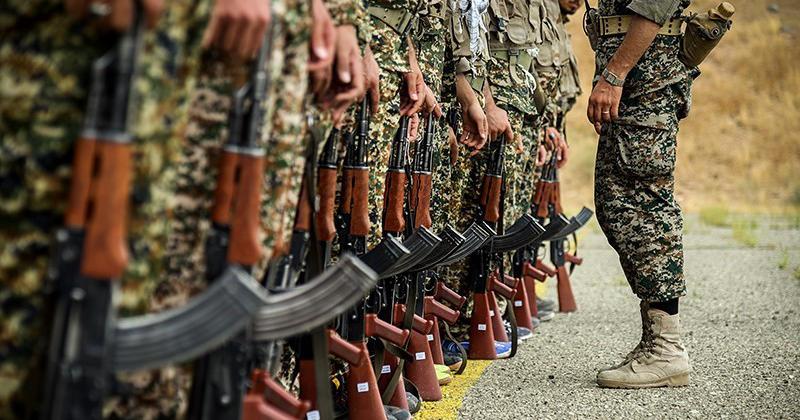
Iranian forces have launched strikes on sites belonging to the Basij, a paramilitary force, in a move that precedes potential internal movements. These operations come at a time when Iran is experiencing increasing internal tensions, as the regime seeks to tighten its grip on power amid growing calls for reform.
These strikes are part of a broader strategy by the Iranian Revolutionary Guard, which is believed to be using residential buildings as cover for its military activities. These steps indicate a potential escalation in internal conflict, as the regime aims to counter any movements that may threaten its stability.
Details of the Incident
According to local sources, the strikes targeted Basij sites in several areas, resulting in injuries and material damage. The Basij is part of the Revolutionary Guard and is used to suppress popular protests and bolster internal security. These operations come at a sensitive time, as pressures on the Iranian government increase from both the international community and within the country.
Reports indicate that the Revolutionary Guard is conducting military operations in residential areas, raising concerns among local residents. This tactic is part of the Revolutionary Guard's strategy to maintain control over vital areas and reflects the complexity of the security situation in the country.
Background & Context
Historically, Iran has witnessed numerous popular protests against the regime, especially following the presidential elections in 2009. Since then, the Basij and the Revolutionary Guard have been at the forefront of government efforts to suppress any opposing movements. These internal pressures come amidst increasing international sanctions on Iran, heightening tensions further.
The Iranian economy is suffering from significant deterioration, exacerbating social and economic conditions. These circumstances may drive citizens to engage in new protests, increasing the likelihood of the regime resorting to violence.
Impact & Consequences
Analysts expect that these strikes will escalate internal tensions, as citizens may feel more anxious about their safety. The Revolutionary Guard's use of residential buildings as cover could complicate matters further, potentially leading to civilian casualties.
These events are likely to affect Iran's relations with Western countries, as these operations are seen as violations of human rights. Any escalation in violence could provoke strong international reactions, further isolating Iran on the global stage.
Regional Significance
The developments in Iran are of significant importance to the Arab region, as they could impact the stability of neighboring countries. Any escalation in violence may lead to an influx of refugees into neighboring states, increasing pressures on these countries.
Moreover, these events may influence political groups in the region that adopt similar stances to the Iranian regime, potentially leading to changes in political dynamics in countries like Iraq and Syria.
In conclusion, the situation in Iran remains tense, and the regime appears to be seeking to reinforce its authority through the use of force. These developments warrant close monitoring by the international community, as they may lead to widespread repercussions in the region.