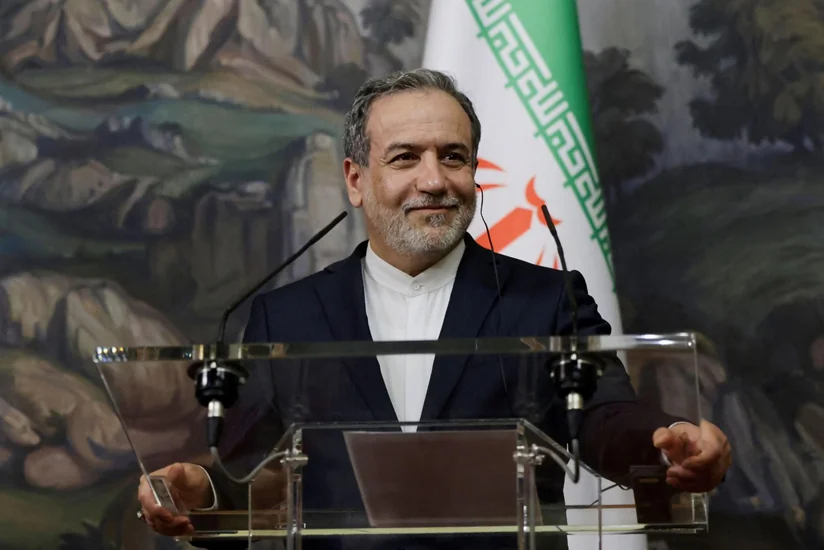
Russian media confirmed that Iranian Foreign Minister Hussein Amir Abdollahian will visit Moscow for discussions with President Vladimir Putin. This visit aims to strengthen bilateral relations between the two countries, especially amid changing geopolitical conditions in the region.
The talks are expected to cover a range of important issues, including economic and security cooperation between Iran and Russia. This meeting is attributed to both sides' desire to enhance coordination in facing common challenges, particularly under the Western sanctions imposed on both nations.
Details of the Meeting
The Iranian Foreign Minister's visit comes at a time when international relations are experiencing heightened tensions, as both Iran and Russia seek to bolster their alliances in response to Western pressures. Iranian officials have indicated that the visit aims to enhance cooperation in the fields of energy and trade, in addition to coordinating on regional issues.
The discussions are also expected to address the situations in Syria and Iraq, where both Iran and Russia play significant roles in supporting local governments. This military and political cooperation could have a substantial impact on the stability of the region.
Background & Context
Historically, Iranian-Russian relations have undergone significant transformations, with the two countries collaborating in various fields since the early 21st century. As tensions in the Middle East escalate, the alliance between Tehran and Moscow has become increasingly important, especially in light of the shared threats from the United States and its allies.
In recent years, Iran has increased its cooperation with Russia in defense and energy sectors, viewing Russia as a strategic partner in countering sanctions imposed by Western countries. This collaboration has also contributed to enhancing Iranian influence in Syria and Lebanon.
Impact & Consequences
The Iranian Foreign Minister's visit could strengthen cooperation between the two countries, potentially altering the balance of power in the region. Should new agreements be reached, we may witness an increase in Russian investments in Iran, which could help bolster Iran's struggling economy.
This cooperation may also affect Iran's relations with Arab countries, as some nations might feel concerned about the strengthening alliance between Tehran and Moscow. Conversely, some Arab states may seek to enhance their relations with Russia to counter Iran's growing influence.
Regional Significance
The Iranian Foreign Minister's visit to Moscow holds significant importance for the Arab region, reflecting the geopolitical shifts that impact security and stability in the Middle East. This visit may lead to a reassessment by some Arab countries of their relations with Iran and Russia, particularly amid ongoing tensions in Yemen and Syria.
Ultimately, this visit reflects the desire of both Iran and Russia to strengthen their alliances in the face of common challenges, potentially shaping the future of regional relations in the Middle East.