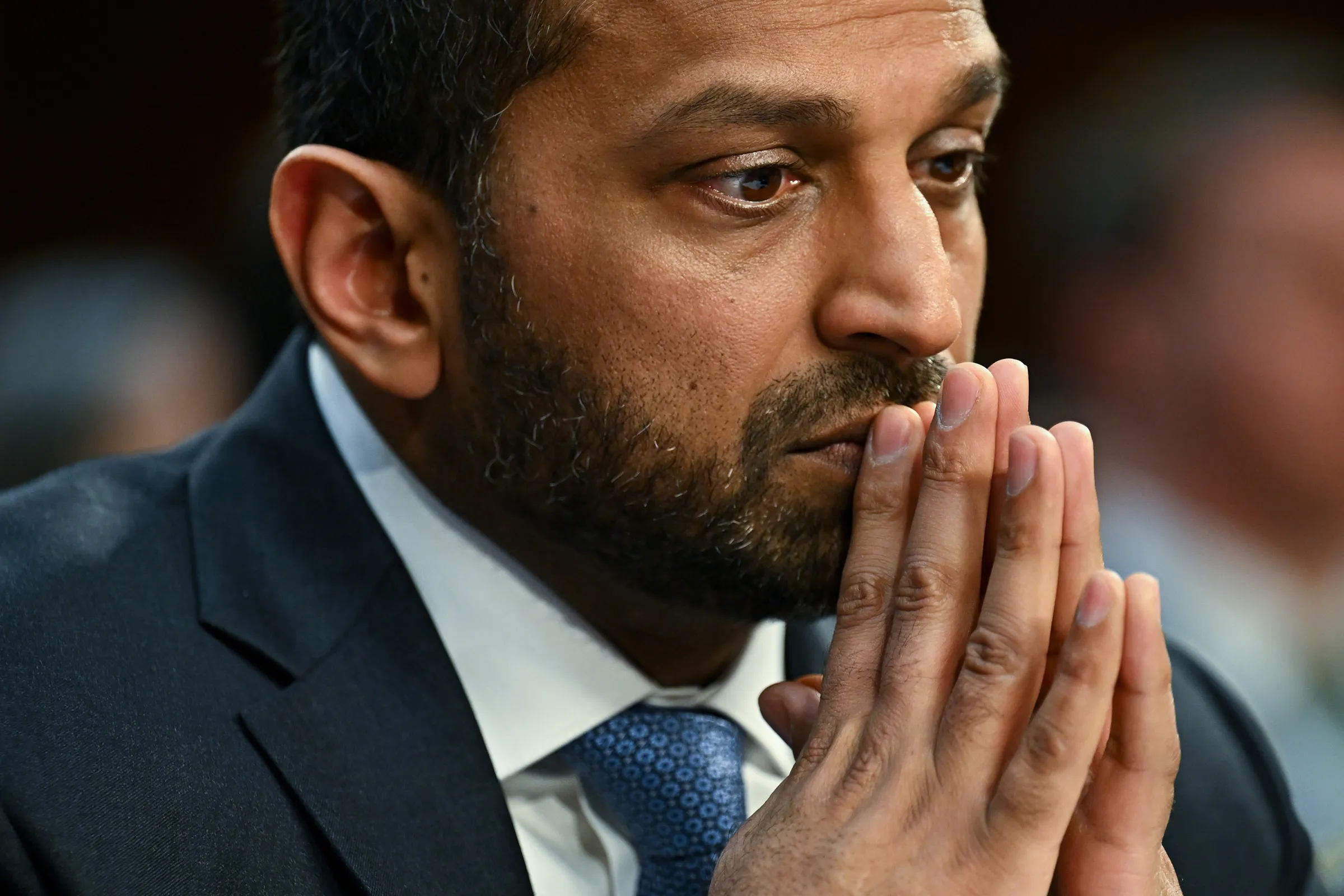
An Iranian hacker group known as Handala has announced that it successfully breached the email account of Kash Patel, the director of the Federal Bureau of Investigation (FBI). This breach comes at a sensitive time as tensions between the United States and Iran escalate, raising questions about the security of electronic systems in the United States.
According to data released by the group, a collection of emails containing personal information and photos from the period between 2010 and 2019 has been leaked. An official from the U.S. Department of Justice confirmed the authenticity of these emails, further intensifying concerns about cybersecurity in the country.
Details of the Incident
In a statement published on its website, Handala claimed that the FBI's "fortified" systems were breached within hours. However, evidence suggests that the breach was of Patel's personal email rather than the official FBI system, raising questions about the accuracy of the group's claims.
Handala, believed to be a front for Iranian intelligence agencies, is considered an "active" hacker group that uses cyberattacks as a means of retaliation and to influence public opinion. The group has exploited this breach to send a message to the world about the vulnerabilities in U.S. security.
Background & Context
This incident occurs against the backdrop of escalating conflict between the United States and Iran, with the region experiencing heightened tensions since the beginning of the year. In February, war broke out between the United States and Israel on one side and Iran on the other, leading to an increase in cyberattacks from both sides.
Historically, Iran has invested in developing its cyber capabilities as a means to counter Western pressures, and recent years have seen an uptick in Iranian cyberattacks against U.S. and Israeli targets. These attacks reflect Iran's strategy of using cyberspace as a tool to respond to sanctions and military threats.
Impact & Consequences
This incident demonstrates how cyberattacks can affect national security, as the leaked information from Patel's email is sensitive and could impact security operations. Additionally, this breach underscores the urgent need to enhance cybersecurity within government institutions.
Moreover, the statements issued by Handala regarding its ability to breach U.S. systems may heighten fears about future cyberattacks, necessitating an immediate response from U.S. authorities to bolster electronic defenses.
Regional Significance
This incident serves as a wake-up call for Arab countries that may be susceptible to cyberattacks, especially amid regional tensions. The rise in cyberattacks could affect the stability of the region and increase tensions between nations.
Furthermore, these events may prompt Arab nations to strengthen their cooperation in cybersecurity and information sharing to combat the escalating threats. Enhancing cyber capabilities is considered vital to ensuring security and stability in the region.