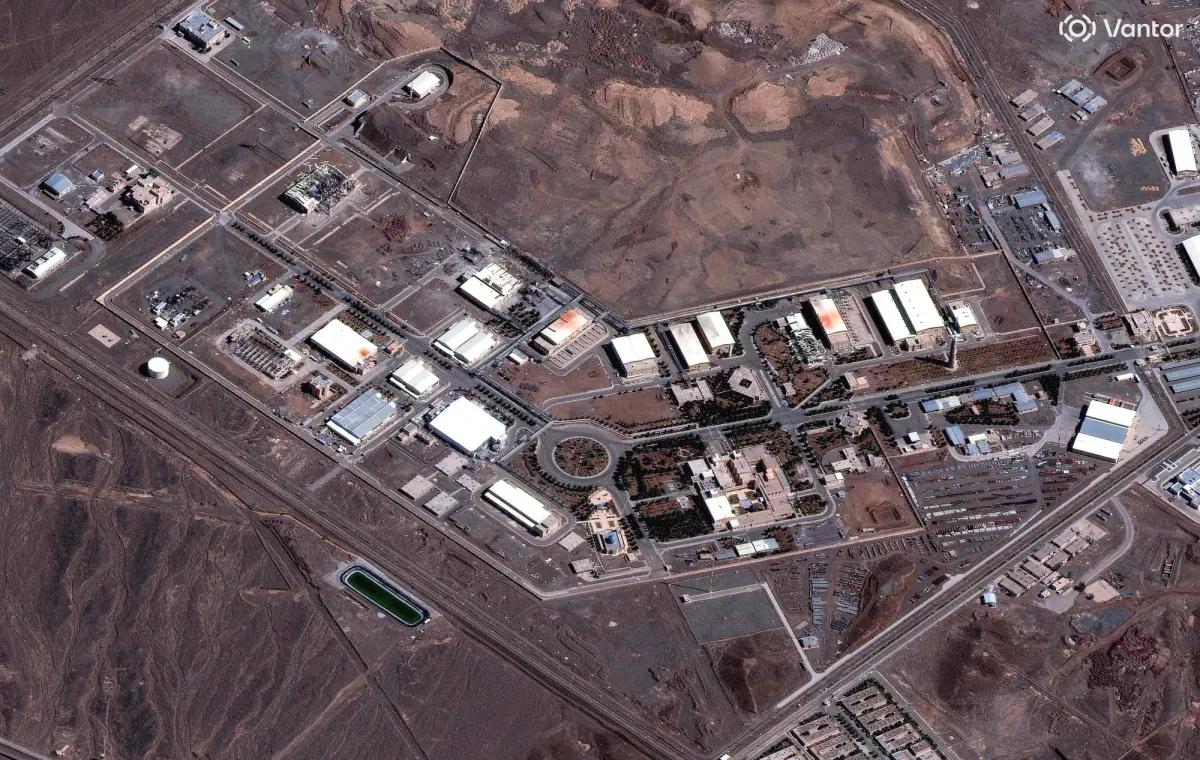
A number of Iranian legislators have intensified calls for a review of Iran's membership in the Nuclear Non-Proliferation Treaty (NPT), with Aladdin Boroujerdi, a member of the National Security Committee in Parliament, stating that "the time has come for Iran to exit the treaty." At the same time, the Iranian Foreign Ministry confirmed Tehran's ongoing commitment to the treaty, noting that the issue is under discussion in Parliament and among the public.
Boroujerdi added that Iran does not seek to possess a nuclear bomb, but he deemed adherence to the treaty's rules unreasonable under current circumstances. He pointed out that the prevailing opinion among lawmakers is that there is no justification for continuing to accept restrictions imposed on Iran's nuclear program.
Details of the Event
In a related context, Boroujerdi criticized the Director General of the International Atomic Energy Agency (IAEA), Rafael Grossi, accusing him of being influenced by the interests of Israel and the United States. He also criticized the agency's inspection mechanism, arguing that some inspections could open the door to the transfer of sensitive information about Iranian facilities.
For his part, MP Ahmad Ajam stated that Parliament has granted the Supreme National Security Council the authority to make decisions regarding the treaty, given the sensitivity of the issue. He emphasized that withdrawing from the treaty could be one of the options for responding to pressures and aggressions.
Background & Context
These developments come at a time of increasing international concern regarding Iran's nuclear activities. Alexey Likhachev, the head of the Russian state atomic energy corporation Rosatom, confirmed that the situation at the Bushehr nuclear power plant is "deteriorating," posing a direct threat to nuclear safety. The IAEA also announced that Iran had informed it of a new attack near Bushehr, which is the third incident in ten days.
In the same context, the Wall Street Journal reported that former US President Donald Trump is considering military options to extract quantities of uranium from Iran, raising fears of a potential military escalation in the region.
Impact & Consequences
Pressure on Iran is increasing amid rising regional and international tensions, with many observers believing that Iran's withdrawal from the treaty could lead to an escalation of situations in the region. This could affect relations between Iran and major powers, intensifying tensions in the Middle East.
Additionally, these developments could lead to changes in the military and political strategies of the concerned countries, reflecting on regional and global security. Pressure on Iran from the United States and its allies may increase, potentially leading to military escalation.
Regional Significance
These developments are particularly significant for Arab countries, as they may affect security and stability in the region. If Iran withdraws from the treaty, it could trigger a nuclear arms race in the region, increasing tensions between Arab states and Iran.
Moreover, rising tensions could impact the regional economy, potentially leading to higher oil prices and increased instability in financial markets. Therefore, close monitoring of these developments will be essential to understand the potential impact on the region.
In conclusion, the situation in Iran remains of great interest, as internal and external pressures are increasing, which may affect the future of Iran's nuclear program and its relations with the international community.