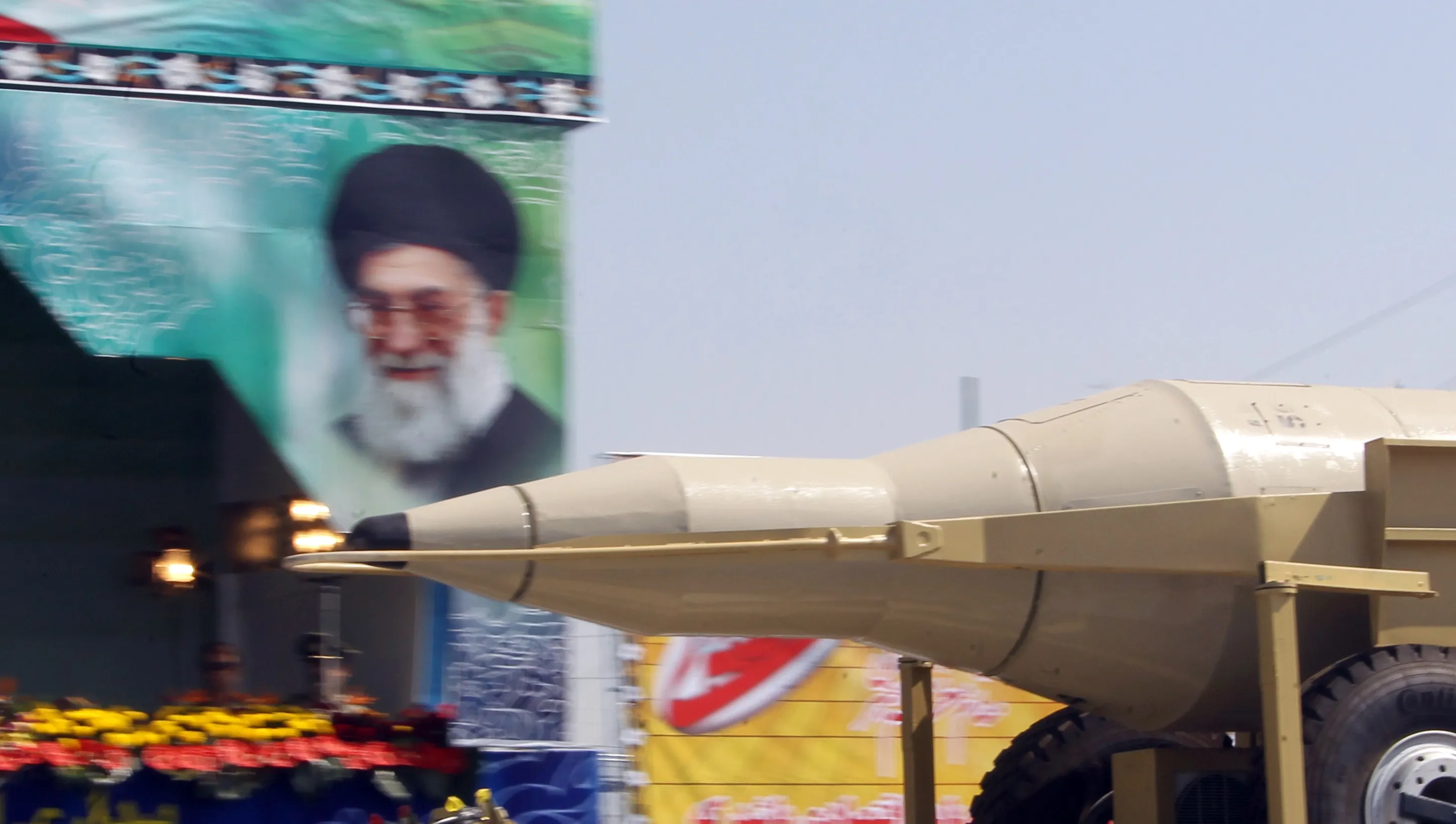
Voices within the Iranian regime, particularly from the Revolutionary Guard leaders, are increasingly calling for a review of the fatwa prohibiting nuclear weapons issued by Ayatollah Ali Khamenei. These demands arise amid rising external threats, raising questions about the future of Iran's nuclear policy.
In 2003, Ayatollah Ali Khamenei, the second Supreme Leader of the Islamic Revolution, issued a fatwa prohibiting the manufacture and use of nuclear weapons in response to allegations regarding Tehran's intention to develop a military nuclear program. This fatwa was officially read at the International Conference on Disarmament and Non-Proliferation of Nuclear Weapons in Iran in 2010, becoming a leverage point in all negotiations related to the Iranian nuclear program.
Details of the Event
The fatwa is based on jurisprudential evidence derived from the Holy Quran and the prophetic tradition, considering nuclear weapons a threat to the five necessities that Islamic law aims to protect: life, intellect, lineage, property, and religion. The fatwa draws on several pieces of evidence, including the prohibition of corruption on earth, the principle of "no burden on the innocent," and the prohibition of killing non-combatants, reflecting the depth of jurisprudential understanding it is based upon.
However, questions arise regarding the fate of this fatwa after Khamenei's death. Will it remain binding for the third Supreme Leader, Ayatollah Mojtaba Khamenei? Or will it be subject to review under changing circumstances?
Context and Background
Historically, fatwas in Shia jurisprudence are considered binding for followers, but with the death of the jurist, followers face the question of whether to continue following them or transition to another jurist. In Khamenei's case, it appears he was following Muhammad Taqi Bahjat, but he is now an independent jurist, allowing him the freedom to make jurisprudential and political decisions.
It is noteworthy that the fatwa was not issued in a purely religious context but was part of state policy, making it susceptible to review under new circumstances. Some researchers have pointed out that the fatwa may be subject to modification if conditions change, reflecting the internal struggle regarding the future of the Iranian nuclear program.
Implications and Effects
In recent years, pressure on Iran has increased from Western countries, particularly Israel, prompting some military leaders to demand the possession of nuclear weapons as a means to counter these threats. They have relied on the principle of necessity, which permits prohibitions in the case of an existential threat.
This discussion around the fatwa comes at a sensitive time, as military tensions in the region are escalating, raising concerns about a shift in Iranian policy from defense to offense. Some Iranian officials have indicated that the fatwa may be reviewed in the event of an existential attack on the country.
Impact on the Arab Region
The nuclear fatwa is considered part of the regional security equation, as any changes in Iranian nuclear policy could affect neighboring countries. If Iran decides to revise its stance, it could lead to an arms race in the region, increasing tensions and threatening regional stability.
In conclusion, the future of the Iranian nuclear fatwa remains uncertain, with rising voices calling for its review. As external pressures continue, Iran may find itself facing difficult choices regarding its national security and nuclear policies.