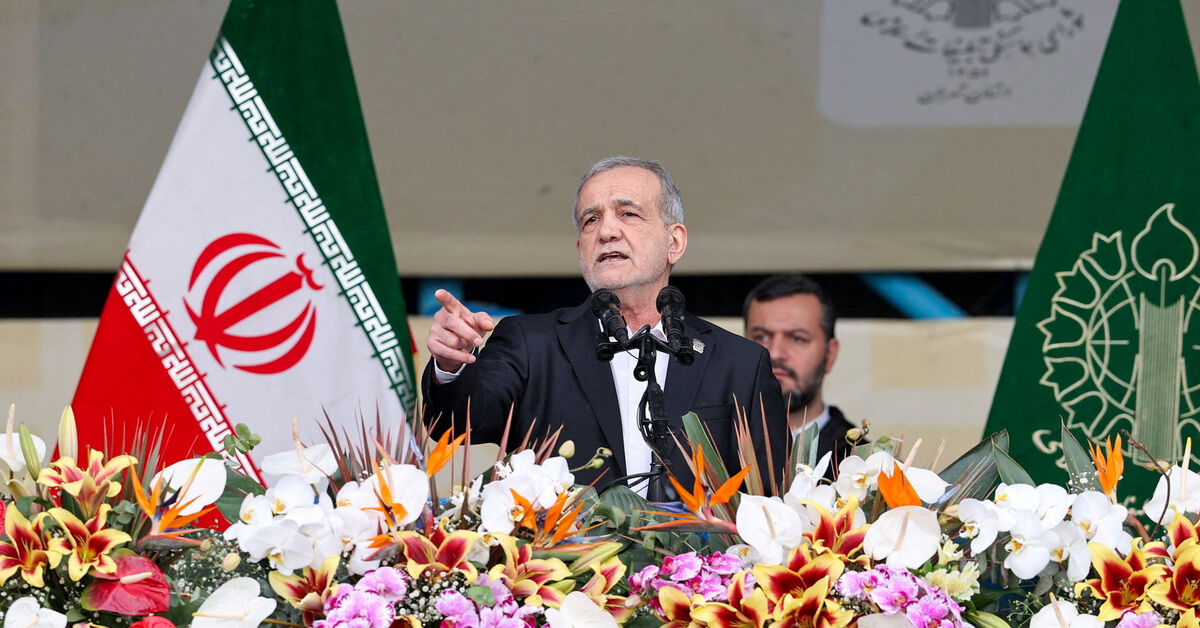
In an unprecedented move, several senior Iranian officials ventured into the streets of Tehran, mingling with small crowds of citizens who gathered to show their support for the Islamic Republic. This initiative follows over a month of targeted assassinations that have affected some prominent figures within the regime, raising questions about the stability of Iranian leadership and its ability to maintain control.
These public appearances reflect the Iranian leadership's desire to reassure the populace that it remains strong and capable of confronting challenges, despite internal and external pressures. This was evident in scenes of leaders engaging with citizens, showcasing an effort to bolster trust in the regime amidst an atmosphere of anxiety and tension.
Details of the Event
The streets of Tehran witnessed small gatherings of citizens expressing their support for the Iranian leadership, with some leaders strolling through popular areas. This initiative comes at a sensitive time, as Iran faces increasing pressures from regional and international adversaries, alongside the economic and social challenges plaguing the country.
These movements indicate that the Iranian leadership is striving to regain control over the public narrative after facing widespread criticism for its inability to manage escalating crises. Reports suggest that these appearances were carefully orchestrated, with locations selected to ensure maximum impact.
Background & Context
Historically, Iran has experienced periods of political and social upheaval, particularly following the Islamic Revolution of 1979. Since then, the country has faced multiple challenges, including economic sanctions and regional wars. As tensions have escalated in recent years, the situation has become more complicated, with targeted assassinations against prominent figures in the regime on the rise.
These events occur within the context of Iran's struggle with regional powers such as Saudi Arabia and Israel, in addition to tensions with the United States. These dynamics make it essential for the Iranian leadership to demonstrate its strength and stability in the face of challenges.
Impact & Consequences
This move carries significant implications both domestically and internationally. Internally, these public appearances may enhance confidence in the leadership, but they could also provoke anxiety among citizens who perceive this as an attempt to mask rising crises. Additionally, these actions may escalate tensions with Iran's adversaries, who might interpret them as a sign of weakness.
On the international front, these events could affect Iran's relations with other countries, as they may be used as a propaganda tool to bolster the regime's image in the face of pressures. However, the continuation of tensions could exacerbate regional crises, complicating the situation further.
Regional Significance
Events in Iran directly impact the situation in the Arab region, where Iran is considered a key player in numerous regional conflicts. The stability or instability of the Iranian regime can influence its allies in the region, such as Hezbollah in Lebanon and the Houthis in Yemen.
Moreover, escalation in Iran may provoke reactions from neighboring Arab countries, heightening tensions in the region. Therefore, monitoring developments in Iran is crucial for understanding regional dynamics.
In conclusion, these events in Iran reflect significant challenges facing the leadership under complex circumstances. The regime's ability to maintain control in these conditions will determine the country's future and its influence in the region.