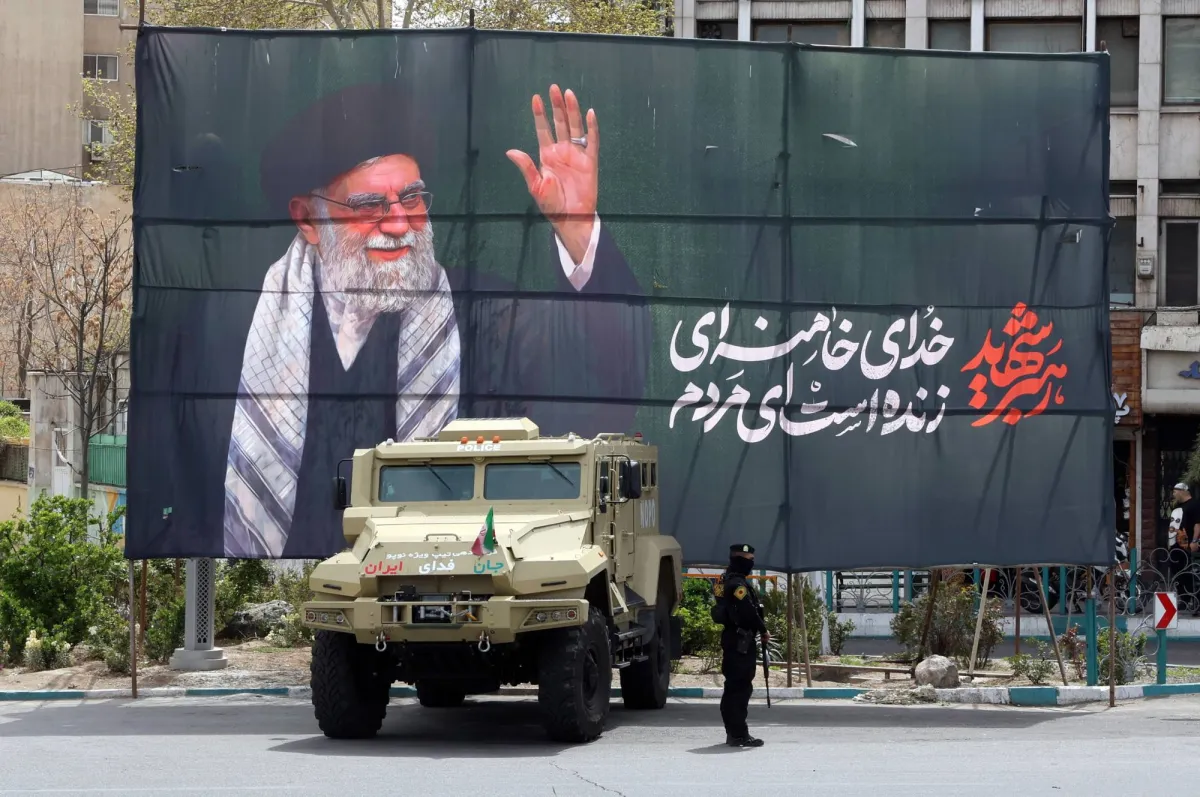
The Iranian leadership is experiencing unprecedented confusion and division, disrupting coordination and complicating negotiation opportunities amid the ongoing war with the United States and Israel. This conflict, which began four weeks ago, has resulted in the deaths of many leaders and senior officials, weakening the Iranian government's ability to make decisions and coordinate retaliatory attacks.
According to officials familiar with U.S. and Western intelligence assessments, the surviving leaders from the airstrikes are facing significant communication difficulties, fearing their communications may be intercepted. This situation has prevented direct meetings, leading to a relative paralysis in the decision-making process.
Details of the Conflict
Despite the ongoing operations of security and military agencies, the government's ability to formulate new policies or plan extensive attacks has significantly declined. U.S. officials have indicated that hardliners within the Islamic Revolutionary Guard Corps have become more influential, reflecting a decline in the actual authority of the religious leadership.
The war began with an Israeli airstrike targeting the Iranian command center, resulting in the death of Iranian Supreme Leader Ali Khamenei and several national security leaders. U.S. officials reported the deaths of several lower-ranking officials, who are considered more pragmatic by the United States, in the same strike.
Background & Context
Tensions between Iran and the United States and Israel have been escalating for a long time, but recent events have intensified the conflict. U.S. President Donald Trump has escalated his rhetoric, threatening to expand the war if a swift agreement is not reached. He has indicated the possibility of targeting critical facilities, such as energy centers and infrastructure.
At the same time, Iran continues to carry out executions against opponents, having recently executed two individuals convicted of joining the banned People's Mujahedin Organization. These actions come as part of the Iranian government's attempt to assert its authority under the current circumstances.
Impact & Consequences
Under these circumstances, Iranian negotiators are struggling to determine the ceiling for possible concessions or even identify the parties authorized to make decisions. This complicates the chances of reaching an agreement with the United States, as it remains unclear whether a capable individual will emerge to finalize an agreement.
Some U.S. officials believe that Iran will reach an agreement when it suffers severe economic losses due to the war. Meanwhile, the United States continues to monitor the situation closely, with indications of more rational elements within the Iranian leadership.
Regional Significance
Events in Iran significantly affect the Arab region, as fears grow over the escalation of the conflict and its impact on regional security. The state of confusion and division within the Iranian leadership may open the door to external interventions or new escalations, threatening the stability of the region.
In conclusion, the future of the conflict remains open to possibilities of escalation or de-escalation, depending on the developments of the next phase and the success or failure of negotiation efforts.