As the US maritime blockade on Iran enters its twelfth day, Iranian markets continue to provide essential needs, despite rising prices and growing concerns about future shortages. The Iranian government asserts its ability to secure these needs through land routes with neighboring countries.
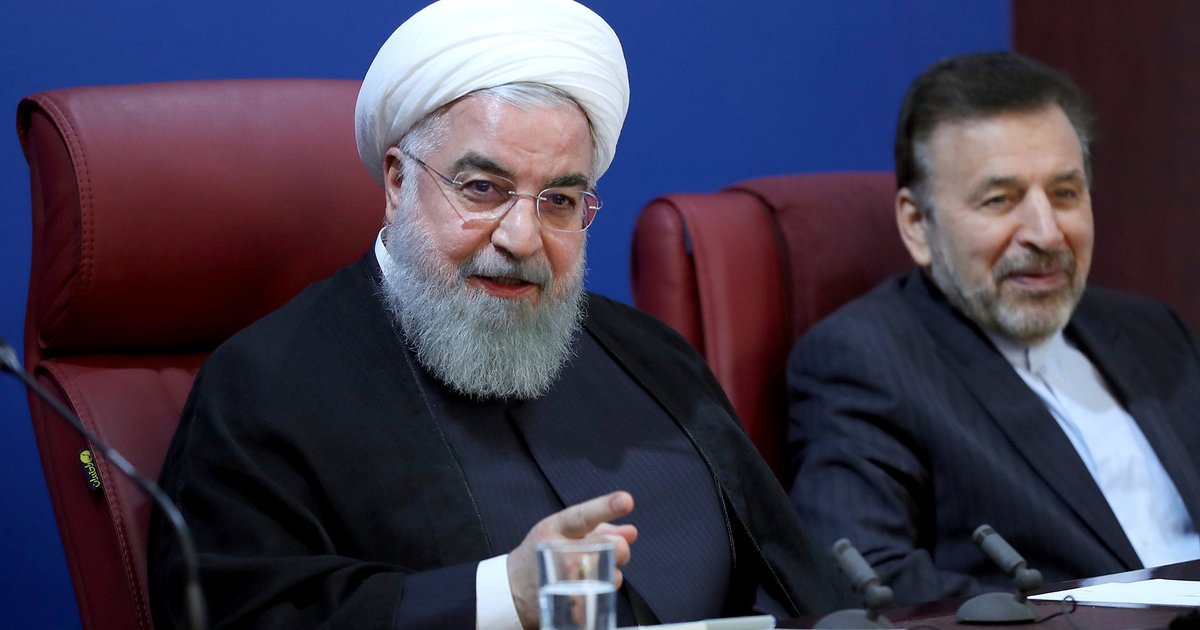
Reports indicate that Iran is no longer able to export its oil production, affecting its capacity to obtain hard currency necessary for importing essential materials. President Masoud Bezhakian warned that the blockade could turn public satisfaction into discontent against the government.
Details of the Situation
According to Al Jazeera correspondent Omar Hawash in Tehran, Iran is facing difficulties in exporting oil, limiting its ability to secure basic needs. Although there is currently no shortage of goods, traders have noted a decline in sales compared to the pre-blockade period, raising fears that some products may disappear if the blockade continues for an extended period.
One citizen reported that all necessities are available in the markets, but prices have noticeably increased, while the government has not paid salaries despite five days passing in the Persian month, adding to the pressures on citizens.
Background & Context
Iran views the US blockade as an attempt to suffocate its economy, particularly the oil sector, by reducing exports and filling both land and floating tanks. Experts have indicated that the aging oil fields in southern Iran may lose part of their production capacity if the closure persists for long periods, suggesting that Tehran can withstand for no more than 60 days.
To overcome these challenges, Iran relies on what is known as the "shadow fleet," a network of ships developed over years of sanctions, operating with complex camouflage mechanisms, such as changing identities, flags, and manipulating ship documents.
Impact & Consequences
Estimates suggest gaps in the effectiveness of the US maritime blockade, despite warnings of serious repercussions that could affect the Iranian economy if pressure continues. The blockade focuses on ships linked to Iranian ports, requiring individual verification of each ship's identity, complicating the process both temporally and technically.
In an effort to reassure citizens, Iran has begun gradually opening its airspace and resuming domestic and international flights. The Iranian Civil Aviation Organization announced the reopening of airspace in four phases, reflecting the government's desire to restore economic activity.
Regional Significance
The Arab region is directly affected by developments in Iran, as any escalation or deterioration in economic conditions could have repercussions on security and stability in neighboring countries. Moreover, Iran's movements in the oil sector could influence global oil prices, impacting the economies of Arab nations.
In conclusion, the situation in Iran remains under observation as the government seeks alternative solutions to navigate the blockade, while concerns among citizens about the future of the economy continue to grow.