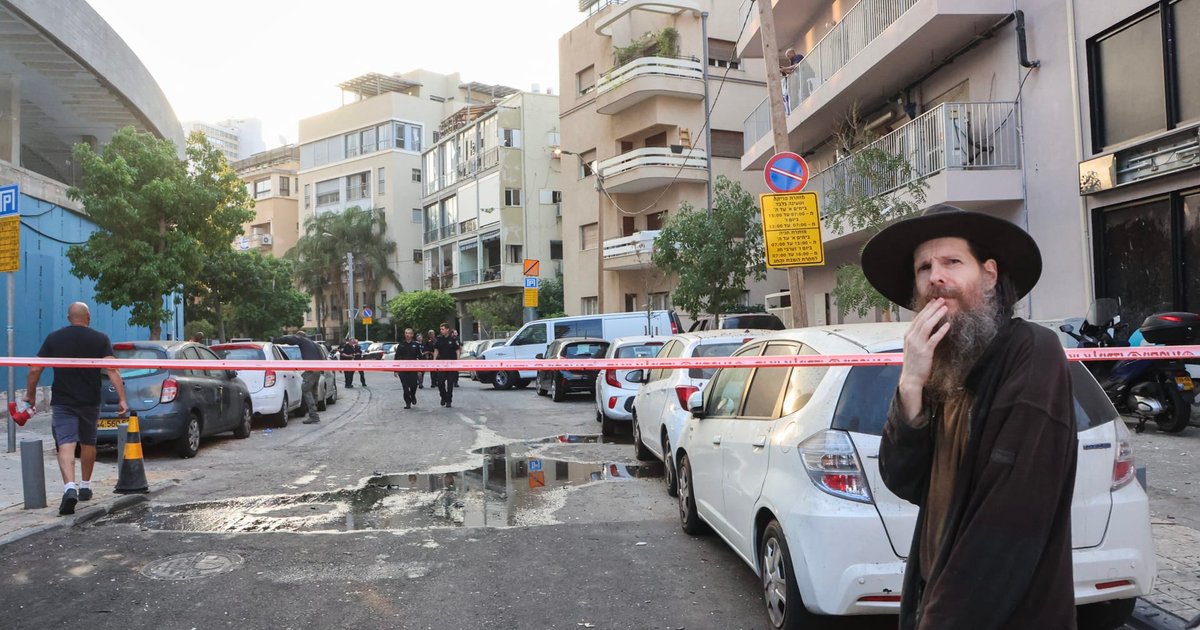
In a serious development, the Israeli Home Front issued early warnings in Tel Aviv and central Israel after detecting missiles believed to have been launched from Iran. Al Jazeera's correspondent reported hearing explosions in the skies surrounding Tel Aviv, indicating a new escalation in the regional situation.
According to a report by the Israeli newspaper Yedioth Ahronoth, one of the missiles was of the cluster type, targeting the greater Tel Aviv area, with debris and shrapnel scattered in the town of Holon, located south of the city. This situation raises concerns among residents who have long experienced increasing security fears amid rising threats from Iran.
This escalation comes at a time when the overall security situation in the Middle East reflects sharp fluctuations, with rising tensions between Iran and Israel. These events unfold against the backdrop of American and European announcements regarding new positions on the Iranian nuclear program, contributing to heightened tensions in the area.
Historically, Israel has faced a series of missile attacks from Iran-backed armed groups, significantly affecting Israeli security. In this context, these incidents are seen as a new warning alert issued by Israeli security officials concerning the threats posed by Iranian missiles. This attack occurs at a sensitive moment, as discussions of potential negotiations between Iran and major powers complicate matters further.
The ramifications of today's attack could be far-reaching. Public sentiment and panic may affect the psyche of citizens and will likely prompt the Israeli government to implement heightened security measures. The Israeli public, accustomed to such attacks, may feel anxious about an increase in operations in the future. This incident recalls memories of past military conflicts and underscores the need to prepare for new armed capabilities.
Moreover, this escalation may broaden the scope of conflict in the region, as Iran's allies may seek to provide greater support. The situation is fraught with the potential for new clashes, prompting neighboring Arab states to reconsider their security strategies.
Ultimately, Arab citizens in the region will be closely monitoring the repercussions of this attack: will matters escalate further or will international parties intervene to contain the situation? The coming months will reveal the extent to which these events affect the stability climate in the Middle East.