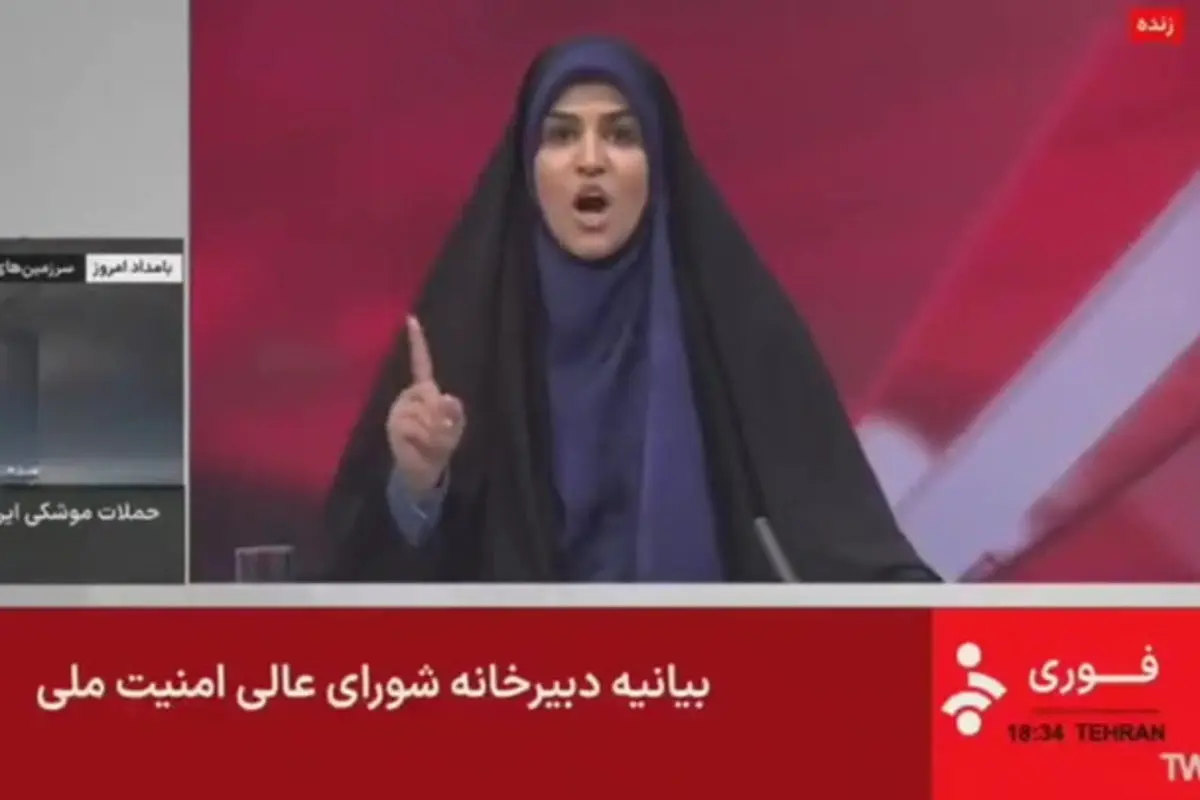
At least 14 people were injured in an Iranian missile attack using cluster munitions that targeted central Israel, raising international concerns about escalating tensions in the region. The attack occurred late last night, with missiles hitting residential areas, resulting in varying degrees of injuries among civilians.
This incident is considered one of the deadliest attacks in recent times, as missile strikes from Iran on Israel have increased, highlighting the growing tensions between the two sides. Medical sources confirmed that some of the injured are in critical condition, further heightening concerns about the repercussions of this attack.
Details of the Incident
The missile attack followed a series of hostile statements between Iranian and Israeli officials, with Tehran accusing Israel of interfering in its internal affairs, while Israel responded by affirming its readiness to defend itself against any threat. The recent attack reflects an escalation in the long-standing conflict between Iran and Israel, which has seen a recurring exchange of attacks and threats.
It is noteworthy that the use of cluster munitions increases the danger of such attacks, as they can lead to mass casualties and widespread destruction. Reports indicated that some missiles fell in residential areas, resulting in the destruction of several homes and the displacement of residents.
Background & Context
Historically, relations between Iran and Israel have been increasingly strained, especially after Iran emerged as a significant regional power seeking to expand its influence. Since the Islamic Revolution in 1979, Israel has viewed Iran as an existential threat, prompting it to take military and strategic measures to counter this threat.
In recent years, Iran has intensified its support for armed groups in the region, such as Hezbollah in Lebanon, exacerbating the conflict. Additionally, Iran's nuclear program has raised international concerns, as Western nations fear it could lead to Iran developing nuclear weapons, increasing the likelihood of military conflict.
Impact & Consequences
The recent attack could lead to further escalation in the conflict between Iran and Israel, with Israel expected to respond militarily to this attack. Such escalation could affect stability in the region, potentially leading to international or regional interventions, complicating the security situation.
Moreover, military escalation could impact the Israeli economy, as it may lead to a decline in tourism and investment in the country, negatively affecting the local economy. Repeated attacks could also increase security fears among the population, affecting their daily lives.
Regional Significance
This attack highlights the increasing tensions in the Arab region, where many Arab countries view Iran as a threat to their national security. Repeated attacks could lead to new alliances in the region, as Arab nations may seek to enhance their security cooperation to counter Iranian threats.
At the same time, escalation may increase pressure on Arab governments, as they may find themselves compelled to deal with the repercussions of the conflict between Iran and Israel. This situation could affect relations between Arab countries and Iran, further complicating the political landscape in the region.