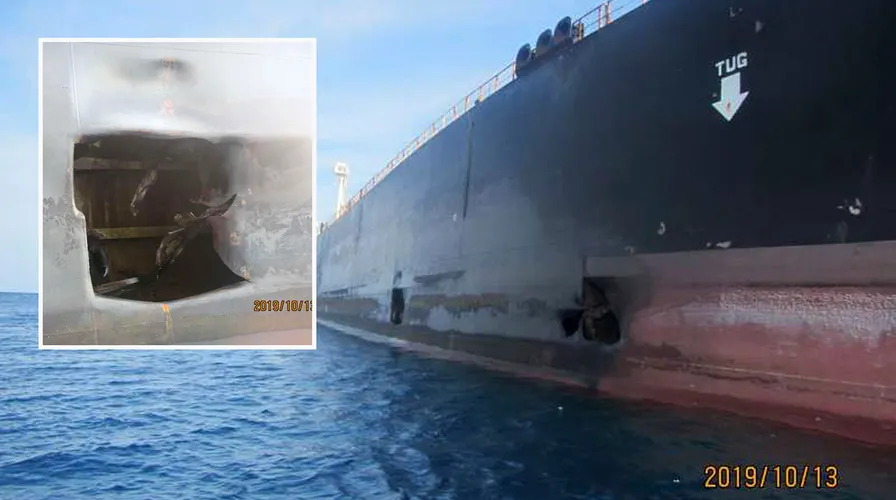
An oil tanker chartered by Qatar Energy was subjected to an Iranian missile attack in Qatari waters. The Qatari Ministry of Defense confirmed that the attack was carried out using three cruise missiles, two of which were intercepted, resulting in limited damage to the tanker’s structure without any human casualties.
This attack comes at a sensitive time as the region experiences escalating tensions, with increased military activities in the Arabian Gulf, raising concerns over the safety of maritime navigation in these vital waters.
Details of the Incident
According to official data, the attack occurred late at night while the tanker was on a routine oil transport mission. The incident did not result in any injuries, but the damage inflicted on the tanker raises questions about the safety of navigation in the region. The Qatari Ministry of Defense has confirmed that it is assessing the damage and taking necessary measures to ensure the safety of vessels in Qatari waters.
This attack is part of a broader escalation in tensions between Iran and neighboring countries, with growing fears that these military activities could lead to further escalation in the region. The Qatari Ministry of Defense issued a statement reaffirming its commitment to protecting its territorial waters and securing maritime traffic.
Background & Context
Historically, the Arabian Gulf region has witnessed numerous similar incidents, where political and military conflicts have overshadowed maritime navigation. Attacks on oil tankers are not new, as the region has experienced several incidents in recent years, reflecting ongoing tensions between Iran and some Gulf states.
Iran, which possesses advanced military capabilities, often uses missiles as a means to exert pressure on its adversaries. The recent attack reflects Iran's strategy of using military force as a tool to influence the policies of neighboring countries. Additionally, these incidents raise concerns among the international community regarding regional stability and global energy security.
Impact & Consequences
The attack on the tanker could have serious repercussions for maritime security in the Gulf. Concerned countries may take additional measures to protect their vessels, potentially increasing military tensions in the region. Furthermore, this attack could impact global oil prices, as any threat to maritime navigation in the Gulf could lead to significant price hikes.
Major powers may likely enhance their military presence in the region, which could elevate the risk of escalation. The attack may also provoke reactions from other countries in the region, complicating the security situation further.
Regional Significance
This attack highlights the security challenges faced by Arab countries in the Gulf region. As tensions rise, it becomes essential for Arab nations to strengthen security cooperation among themselves to address common threats. This incident underscores the need for effective strategies to protect maritime navigation and ensure the safety of maritime transport.
In conclusion, Arab countries must be prepared to confront the increasing security challenges in the region and work towards enhancing regional and international cooperation to ensure stability and security.