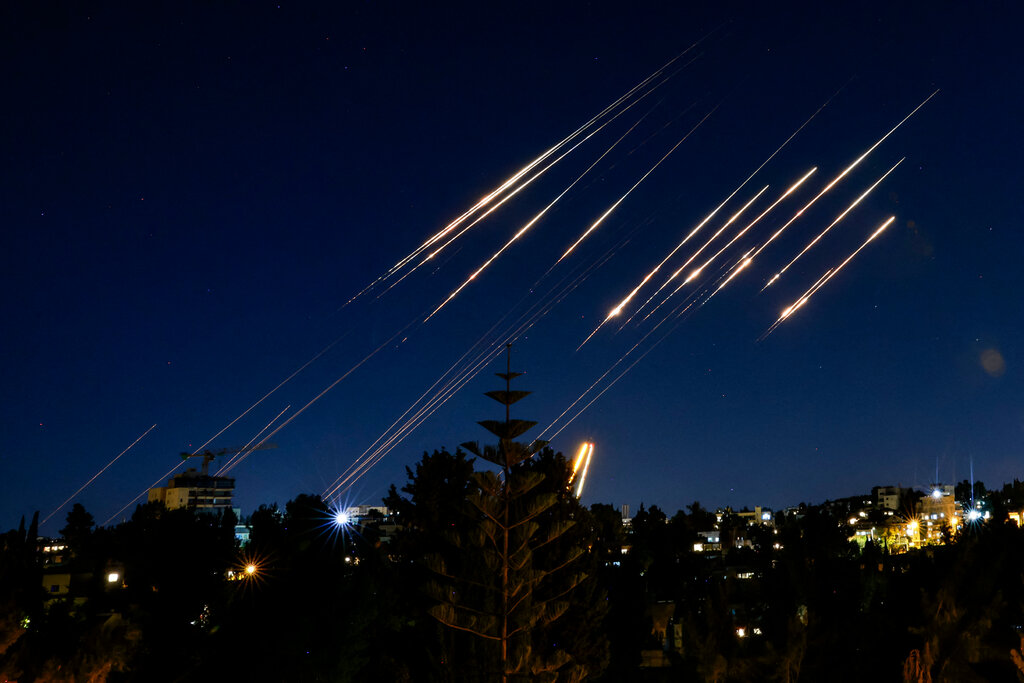
Reports have indicated an Iranian missile attack targeting areas in southern Israel, raising international concerns about a potential escalation in the conflict between Tehran and Tel Aviv. The attack, which occurred late at night, resulted in no injuries or significant damage, but Israeli authorities confirmed they are taking Iranian threats seriously.
This attack comes amid rising tensions between Iran and Israel, with both nations exchanging accusations of inciting violence in the region. Reports suggest that the missile attack is part of a broader Iranian strategy aimed at enhancing its influence in the region, particularly given the tense situations in Iraq and Syria.
Details of the Incident
The Iranian missile attack targeted areas close to the Israeli border, prompting the activation of Israel's air defense system known as the "Iron Dome." Military sources reported that air defenses intercepted some missiles, while others managed to reach their targets. Simultaneously, the Israeli Ministry of Defense issued a statement affirming its readiness to deal with any future threats.
These events follow a series of reciprocal attacks between the two sides, with Israeli aircraft targeting Iranian sites in Syria, resulting in the deaths of several Iranian military personnel. Iran has publicly threatened retaliation for these attacks, further escalating tensions in the region.
Background & Context
Historically, relations between Iran and Israel have been extremely tense, with Israel viewing Iran as an existential threat due to its nuclear program and support for armed groups in the region. Since the Islamic Revolution in Iran in 1979, relations between the two countries have become more complicated, with Israel accusing Iran of attempting to expand its influence in the Middle East.
In recent years, the region has witnessed an escalation in hostilities, with Israel conducting airstrikes on Iranian positions in Syria, while Iran has responded by supporting armed groups such as Hezbollah in Lebanon. This regional conflict directly impacts the security and stability of neighboring countries, increasing the likelihood of a large-scale conflict.
Impact & Consequences
The Iranian missile attack on southern Israel could lead to a larger military escalation in the region, threatening regional security. Israel may carry out retaliatory operations against Iranian sites, potentially escalating violence in Syria and Lebanon. This escalation could also affect international relations, as major powers might be compelled to intervene to mitigate tensions.
Furthermore, the continuation of these attacks could impact the regional economy, potentially leading to rising oil prices and a decline in investments in the area. Military escalation may also result in an influx of refugees and increased burdens on neighboring countries.
Regional Significance
Arab countries neighboring Israel and Iran find themselves in a sensitive position, as they may be directly affected by any military escalation between the two sides. Countries like Lebanon and Syria could find themselves at the heart of the conflict, exacerbating the suffering of their populations. Additionally, this escalation could affect peace efforts in the region, as opportunities for dialogue among different parties may diminish.
Ultimately, the situation in the region remains complex, with political and military interests overlapping. It is crucial for the involved parties to take steps to avoid escalation and work towards a peaceful resolution of existing conflicts.