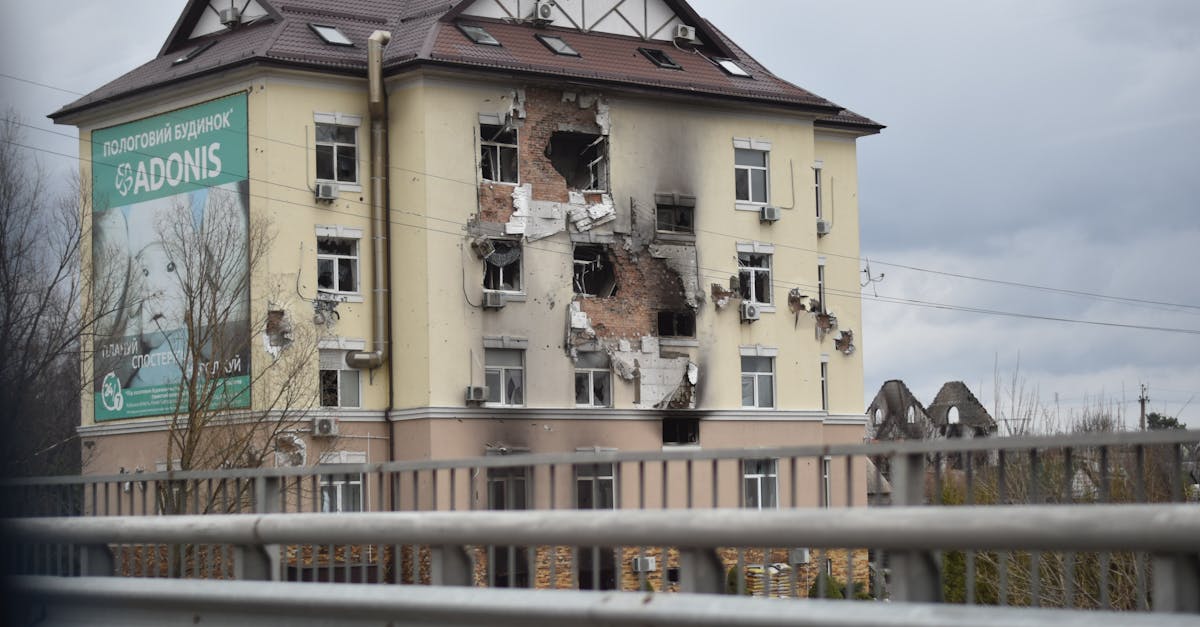
In the early hours of Monday, the Greater Tel Aviv area was targeted by an Iranian missile attack, resulting in one person sustaining serious injuries. The attack is part of an ongoing escalation from Tehran against Israeli targets, with Iran launching the region with three consecutive waves of missiles, causing panic among residents.
According to the official Hebrew broadcasting authority, the injured individual was transported to the hospital for treatment, where their condition was described as serious. The missile attack comes at a sensitive time, as tensions between Iran and Israel are rising, increasing fears of a larger escalation in the region.
Details of the Incident
The Iranian missile attack targeted multiple areas within the Greater Tel Aviv region, where Israeli air defenses managed to intercept some of the missiles. However, the attack that succeeded in breaching the defenses resulted in injuries and material damage in the area. Israeli authorities confirmed that they are working to assess the damage and provide assistance to those affected.
This attack follows a series of Iranian threats against Israel, with Tehran considering these strikes as a response to what it describes as Israeli aggressions on its territory. At the same time, Israel continues to bolster its defensive capabilities to counter any potential threats from Iran or its allies in the region.
Background & Context
Historically, relations between Iran and Israel have been increasingly tense, with Israel accusing Iran of supporting armed groups in the region, such as Hezbollah and Hamas. This tension has particularly escalated in light of recent developments in Iran's nuclear program, which Israel views as an existential threat.
In recent years, Iran has intensified its military activities in the region, prompting Israel to carry out preemptive operations against Iranian sites in Syria. This dynamic contributes to the increasing severity of the conflict between the two parties, making any potential escalation in the future a likely scenario.
Impact & Consequences
The Iranian missile attack on Tel Aviv could lead to a larger military escalation in the region, as Israel may respond with retaliatory strikes on Iranian sites. Such an escalation could draw other countries into the conflict, complicating the security situation in the Middle East.
Additionally, this attack may impact international relations, as some countries might call for diplomatic actions to de-escalate tensions. At the same time, it could lead to increased military support for Israel from its allies, particularly the United States, which views Iran as a threat to regional security.
Regional Significance
The Iranian attack on Tel Aviv reflects rising tensions in the region, affecting neighboring Arab countries. These events may lead to a reassessment of national security strategies in Arab nations, especially those sharing borders with Israel or affected by the Iranian-Israeli conflict.
Moreover, the military escalation may impact peace efforts in the region, as opportunities for dialogue between the various parties could diminish. Under these circumstances, the region remains in a state of instability, raising concerns about the outbreak of new conflicts.