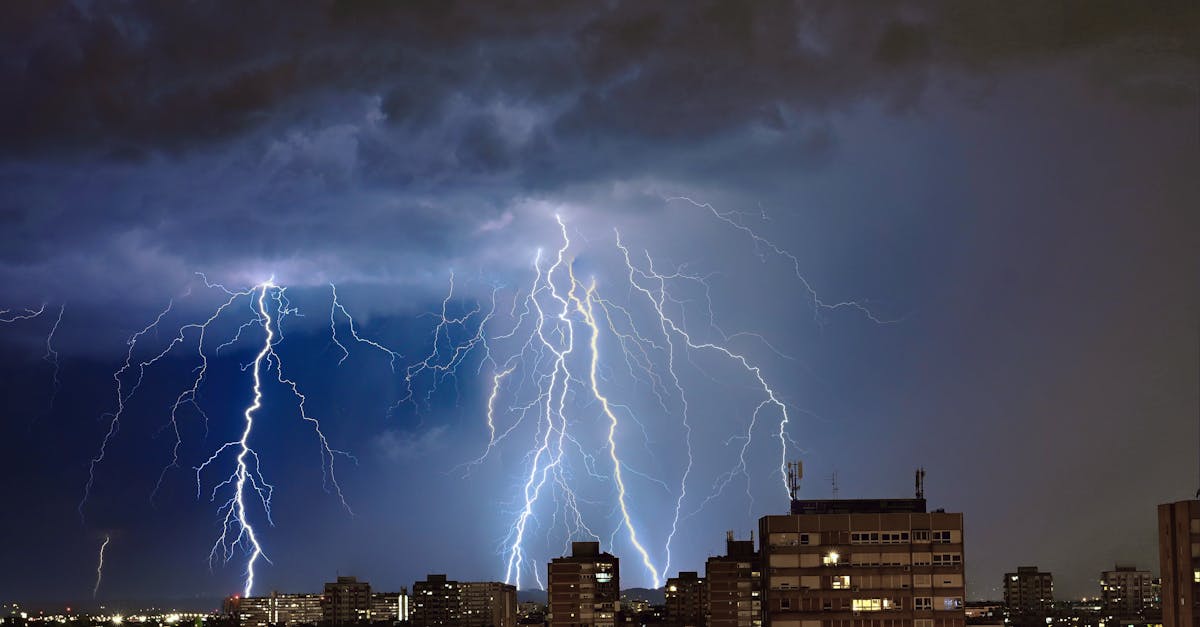
In a serious escalation of the ongoing conflict between Iran and Israel, an Iranian missile hit a five-story building in Haifa, leading to injuries and the loss of several individuals under the debris. The incident occurred late on Sunday, with reports indicating that the attack resulted in 11 injuries, including one man in critical condition, alongside four others suffering from panic attacks.
Israeli media, including Yedioth Ahronoth, reported that four people are still missing, raising concerns about individuals trapped under the rubble. Reports also indicated that the missile that struck the building carried an explosive warhead weighing approximately 450 kilograms, causing significant destruction in the area.
Details of the Incident
Before the attack, explosions were heard in wide areas of northern Israel, including the Golan Heights, Galilee, and Haifa, where sirens sounded in several regions, including the Negev. This escalation comes at a sensitive time, as the Iranian Revolutionary Guard announced the launch of the 96th wave of Operation "True Promise 4," targeting energy and petrochemical infrastructure in Israel.
In a related context, the Israeli Ministry of Health announced that the number of injuries due to missile and drone attacks from Iran and Lebanon since February 28 has reached 6,833 injuries, including 108 injuries in the last 24 hours. These figures reflect the rising violence in the region and its impact on civilians.
Background & Context
The war between Iran and Israel has continued for over five weeks, with Tehran responding to Israeli attacks targeting its sites and allies in the region. This war, which began amid increasing tensions, has resulted in thousands of deaths and injuries, including security and political leaders. The mutual attacks indicate an unprecedented escalation in the conflict, raising concerns about its implications for regional stability.
Historically, relations between Iran and Israel have seen increasing tensions, as Iran views Israel as an existential threat, while Israel seeks to limit Iran's influence in the region. This dynamic reflects the broader conflict between regional and international powers.
Impact & Consequences
The attack on Haifa reflects an escalation in the conflict and may lead to military responses from the Israeli side, further intensifying tensions in the region. The rising violence could also impact internal security in Israel, as citizens express concern over repeated attacks.
On the international front, this escalation could lead to interventions from major powers, complicating the situation further. The United States, a key ally of Israel, may find itself compelled to intervene, raising questions about its strategies in the region.
Regional Significance
The repercussions of this escalation are not limited to Israel and Iran but extend to neighboring Arab countries. The increase in violence could lead to a flow of refugees and increase pressures on the countries hosting them. Additionally, any escalation could affect regional security and heighten tensions between Arab states and Iran.
In conclusion, the situation in the region remains tense, with expectations of continued mutual attacks. It is crucial for the involved parties to take steps towards de-escalation and avoid further violence, in order to maintain security and stability in the region.