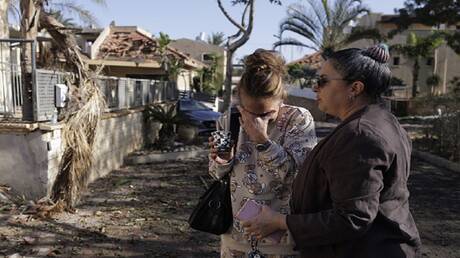
Israel is encountering unprecedented challenges in its air defense system, suffering from a severe shortage of interceptor missiles, which has led to austerity measures in their usage. In a worrying development, Iranian missiles managed to penetrate Israeli defenses, targeting fortifications near the Dimona nuclear reactor, raising questions about the effectiveness of the Israeli defense system in the face of escalating threats.
This attack comes at a time when tensions in the region are escalating, with ongoing military operations between Israel and armed factions in Gaza, increasing pressure on Israeli defensive capabilities. Videos circulated on social media have shown the aftermath of the Iranian strikes, reflecting the severity of the security situation in the region.
Details of the Incident
According to reports, the Iranian attack targeted strategic sites near the Dimona reactor, one of Israel's prominent nuclear facilities. Israeli military sources confirmed that the air defenses were unable to fully intercept the Iranian missiles, resulting in damage to the targeted facilities. This situation reflects a decline in the effectiveness of the Iron Dome system, which was considered one of the most advanced air defense systems in the world.
At the same time, Israel has begun to ration its interceptor missiles, as reports indicate that current stockpiles may not be sufficient to counter the increasing threats. Israeli officials have noted that this strategy could affect the country's ability to respond to any future attacks.
Background & Context
Historically, Israel has relied on an advanced air defense system to protect its territory from missile attacks. However, the rising tensions in the region, particularly following increased Iranian military activities, have put this system under significant pressure. Recent attacks reflect a shift in Iran's strategy, which seeks to enhance its military capabilities against Israel.
The situation in Gaza has also contributed to the worsening crisis, as armed factions continue to launch missiles towards Israeli territory, further increasing pressure on the Israeli air defense system. These dynamics make it challenging for Israel to maintain its national security under the current circumstances.
Impact & Consequences
The repercussions of this attack could be far-reaching, potentially leading to a new military escalation in the region. If Iran continues to carry out similar attacks, Israel may be forced to reassess its defensive strategies, which could lead to heightened military tensions in the area.
Moreover, the loss of confidence in the effectiveness of the air defense system could impact Israeli morale and increase fears among the population. This situation may prompt the Israeli government to take more stringent measures against Iran and armed factions in Gaza, potentially leading to a greater escalation of the conflict.
Regional Significance
This development highlights the security challenges faced by Arab countries in the region. The rising tensions between Iran and Israel could affect the stability of other nations, particularly those suffering from internal conflicts. Any military escalation could lead to economic and social repercussions for neighboring countries.
At the same time, some armed factions may exploit these conditions to enhance their capabilities, complicating the security landscape in the region. Therefore, recent events represent a turning point that could influence the future of the conflict in the Middle East.