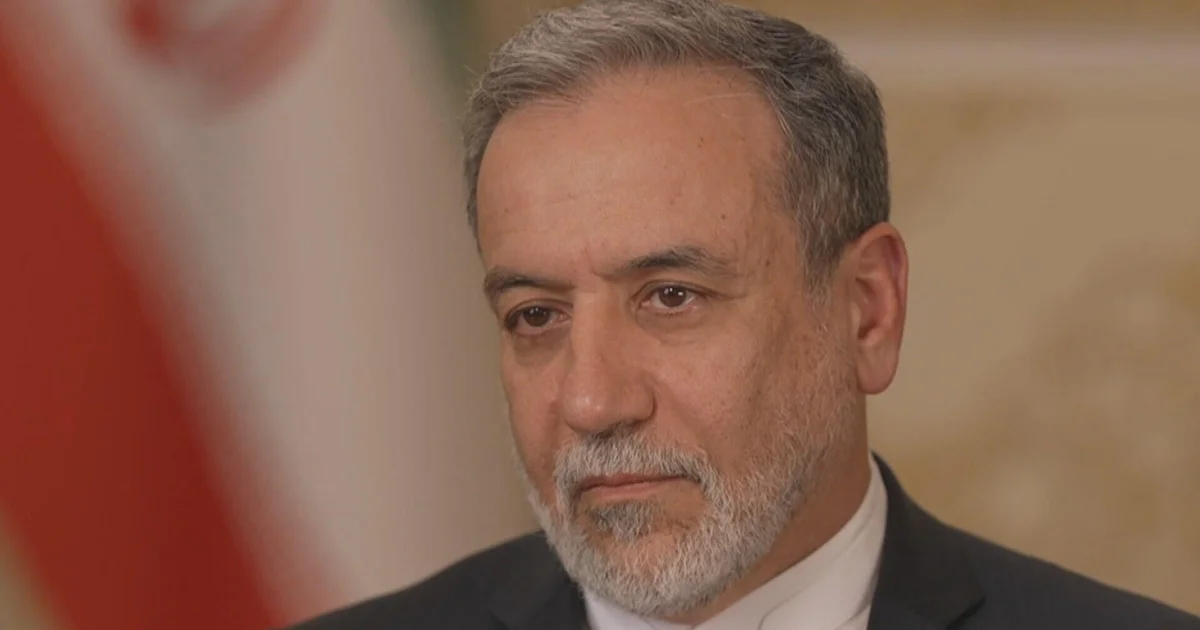
Iran is attempting to break its regional isolation through the efforts of Foreign Minister Abbas Araghchi, whose current tour includes the Omani capital, Muscat. This initiative comes at a time when regional tensions are escalating, raising questions about the possibility of restoring trust between Tehran and the Gulf states.
This "nervous diplomacy" faces significant challenges, as recent Iranian attacks on Gulf civilian and economic facilities have created a wall of distrust. This reality reflects a Gulf strategic "vigilance" aimed at enhancing deterrence and security independence.
Details of the Event
Hisham Al-Ghanem, a researcher at the Carnegie Endowment for International Peace, confirms that Araghchi's primary goal is to break regional isolation and rebuild relations with Gulf states. He points out the urgent need to use the Gulf as a positive and influential mediator with the U.S. administration.
Despite the continuation of diplomatic channels, Iran is pushing Gulf states towards a position that goes beyond "excessive neutrality," leveraging its ability to influence Washington. On the other hand, Saleh Al-Mutairi, head of the Al-Madar Center for Political Studies, emphasizes the importance of the Muscat visit, given Oman’s pivotal role in the Strait of Hormuz.
Context and Background
Oman is committed to freedom of navigation, thwarting any Iranian attempts to impose unilateral arrangements in the strait. Al-Mutairi believes that Gulf realism and rationality have prevailed despite attempts to lure them into the crisis.
Earlier, Sultan Haitham bin Tariq received Araghchi, where they discussed the latest developments in the region and mediation efforts to end conflicts, referencing the U.S.-Israeli war on Iran.
Impact and Consequences
The current scene reflects a state of complete "shattered trust" in the region, with Al-Mutairi citing former U.S. President Ronald Reagan's saying, "Trust but verify." Iranian initiatives, while seemingly good in theory, collide with a bitter practical reality, as Iran has not ceased to cling to its "proxies" and has not provided real guarantees regarding its military and nuclear programs.
Al-Ghanem describes the atmosphere as "filled with doubt and suspicion," as blatant Iranian attacks on energy facilities demonstrate Tehran's desire to raise global economic costs and deliberately harm its neighbors. He considers Araghchi's proposal for "collective regional security" to be a utopian vision far from reality.
Impact on the Arab Region
Gulf states are currently facing a strategic turning point, as severe economic losses have necessitated a redefinition of the "permanent enemy" and an evaluation of international alliances. The current situation requires building an integrated security approach that takes into account the increasing challenges.
Since February 28, 2026, five Gulf countries have been subjected to a series of intense Iranian attacks, including the launch of thousands of missiles and drones, resulting in extensive material damage and disruptions in energy, transport, and services sectors. These events reflect a serious escalation in regional tensions.