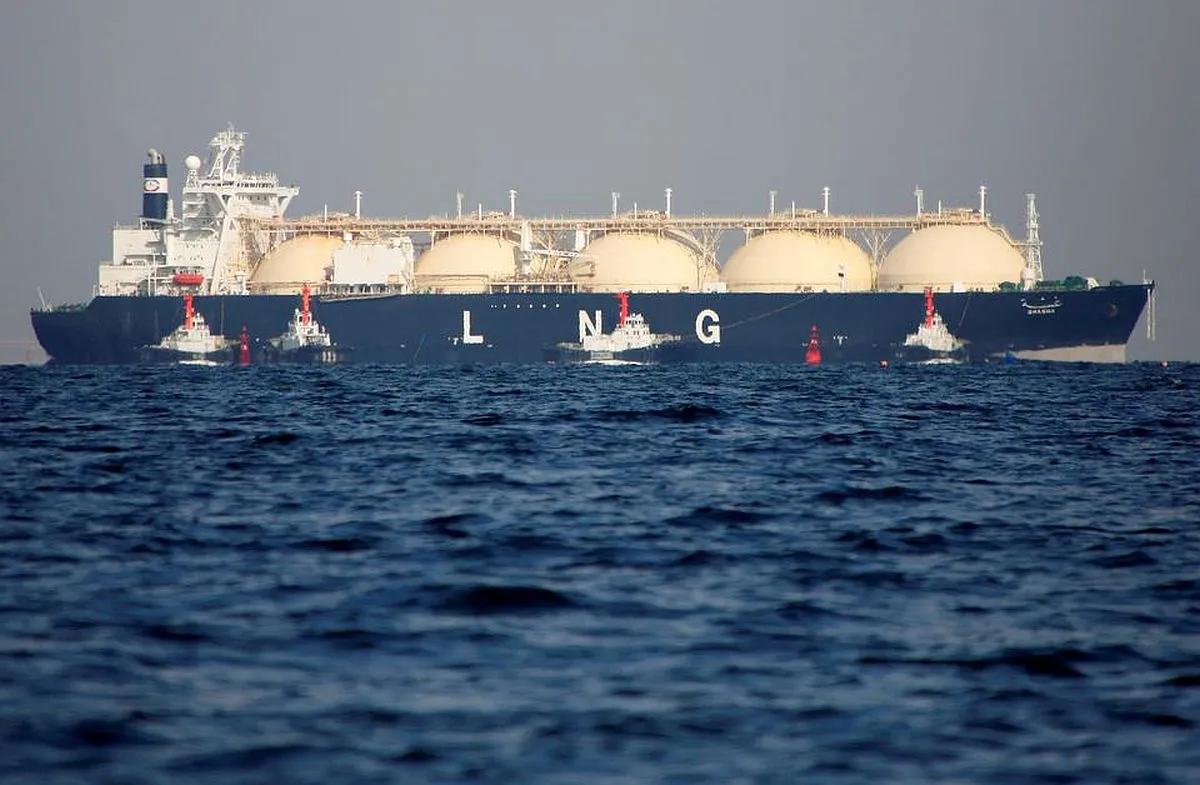
The Iranian parliament has recently approved a bill aimed at enhancing control over the Hormuz Strait, which is one of the most important waterways in the world, raising significant concerns in international oil markets. This step comes at a time when regional tensions are escalating, threatening the stability of oil supplies.
The Hormuz Strait is a vital transit point for approximately 20% of global oil supplies, with oil tankers passing through it from Gulf countries to global markets. Under the new bill, Iran seeks to impose further oversight on the movement of ships in this strait, which could complicate shipping and international trade operations.
Details of the Legislation
The new Iranian bill includes a series of measures aimed at enhancing maritime security in the region, including increasing the number of naval patrols and inspections of passing vessels. This has raised concerns among many oil-importing countries, with some fearing that it could lead to rising oil prices in global markets.
In this context, some Western countries have expressed their concern over this move, considering that it may escalate tensions in the region. The United States has warned that any attempt to obstruct navigation in the Hormuz Strait will be met with a decisive response.
Background & Context
Historically, the Hormuz Strait has witnessed numerous crises and tensions, as it is a strategic point for oil-producing countries. In recent years, tensions have increased between Iran and Western countries, especially following the United States' withdrawal from the Iranian nuclear deal in 2018.
The region has also seen a rise in military activities, with Iran bolstering its military presence in the Gulf, increasing concerns about the stability of oil supplies. In this context, the Iranian parliament's move comes as part of a broader strategy to enhance Iranian influence in the region.
Impact & Consequences
This move could escalate tensions in the region, potentially negatively impacting global oil prices. In the event of any escalation, markets may experience significant volatility, affecting the global economy as a whole.
Moreover, the enhancement of Iranian control over the Hormuz Strait may prompt major powers to reassess their security strategies in the region, potentially leading to an increase in American and Western military presence in the Gulf.
Regional Significance
For Arab countries, these developments may heighten concerns regarding energy security and price stability. Many Arab nations rely on oil exports as a primary source of revenue, and any escalation in the region could directly impact their economies.
Furthermore, this move may foster cooperation among Arab countries to address security challenges in the region, potentially contributing to the formation of new alliances in the future.
In conclusion, developments in the Hormuz Strait remain under close observation, as this Iranian step poses a new challenge to regional and global security. It is crucial for concerned countries to closely monitor these events to ensure the stability of oil markets and protect their economic interests.